
Ontario Foundation Protection Systems
Interior Basement Waterproofing In Ontario
Interior Excavation Systems
HDPE Membrane Protection
Weeping Tile Replacement
Foundation Crack Repair
ONTARIO BASEMENT MOISTURE CONDITIONS
Why Ontario Foundations Experience Water Intrusion
Cove joint seepage
Water commonly enters where the basement floor meets the foundation wall under hydrostatic pressure.
Freeze-Thaw Cycles
Repeated freezing and thawing causes soil movement and foundation cracks over time.
FOUNDATION FLOOR CRACKS
Pressure beneath the slab can force groundwater through cracks in the basement floor over time.
Rising Groundwater
Higher water tables and heavy rainfall lead to hydrostatic pressure against basement walls.
Aging Drainage Systems
Older footing drains can clog or deteriorate over time, reducing groundwater flow around the foundation.
Hydrostatic Pressure
Groundwater pressure beneath the basement floor forces moisture through joints, cracks, and weak points.
Foundation Types Matter
INTERIOR WATERPROOFING SYSTEMS VARY BY FOUNDATION TYPE
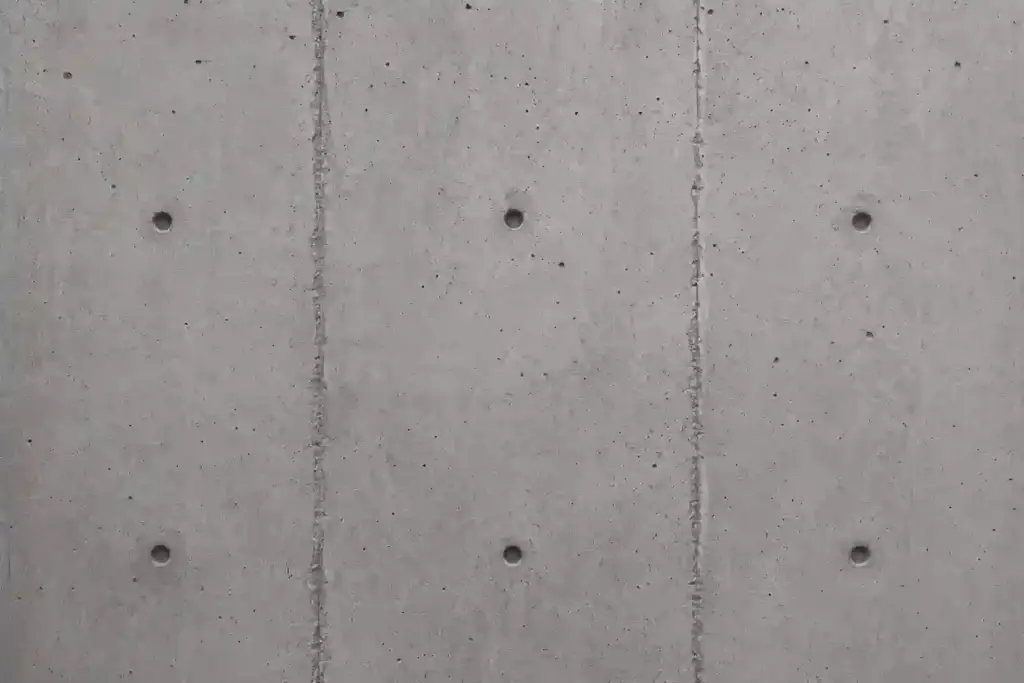
Poured Concrete Foundations
- Shrinkage cracks
- Tie-rod penetrations
- Floor Joint Seepage
- Hydrostatic seepage
Solution: Crack injection, interior drainage systems, vapor barrier protection, and groundwater pressure management.

Concrete Block Foundations
- Core saturation
- Mortar joint failure
- Lateral pressure
- Internal seepage
Solution: Interior drainage channels, vapor barrier systems, pressure relief, and moisture management.
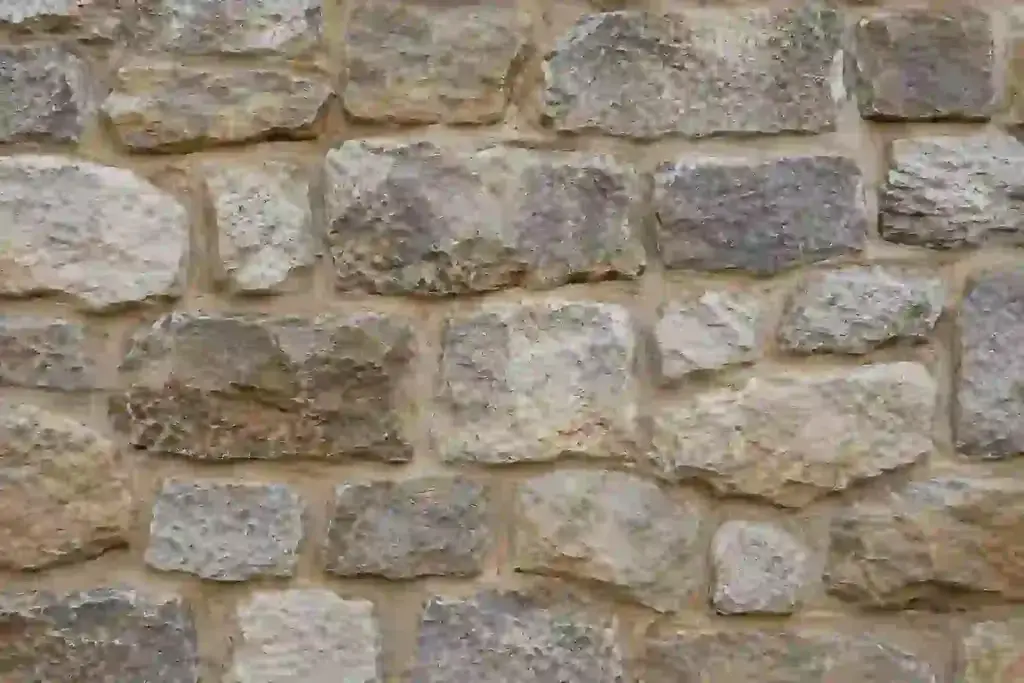
Traditional Stone Foundations
- Irregular surfaces
- Mortor deterioration
- Water through joints
- Structural aging
Solution:Drainage management, moisture control systems, mortar restoration, and specialized waterproofing approaches.
Our Engineered Installtion Process
Interior Waterproofing System Installation Sequence
Every interior waterproofing system is installed using a structured multi-phase process designed to relieve hydrostatic pressure, manage groundwater beneath the basement floor, and protect the home from long-term moisture intrusion.
Phase 1
BASEMENT INSPECTION & SYSTEM PLANNING
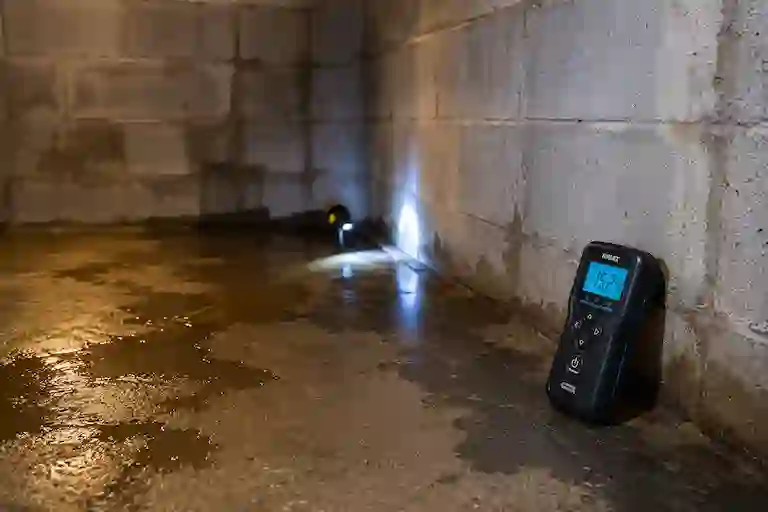
MOISTURE INSPECTION
Basement walls, floor joints, and seepage areas are inspected to identify moisture entry points and hydrostatic pressure conditions.
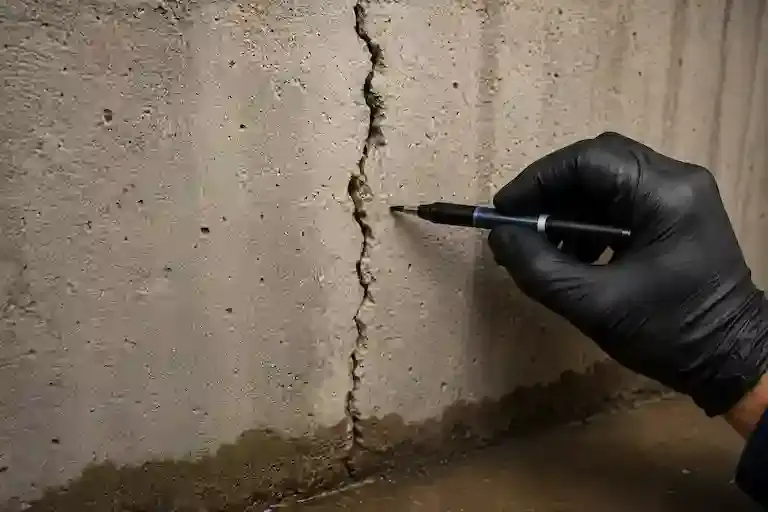
FOUNDATION CRACK ASSESSMENT
Foundation cracks, floor separation, and wall penetrations are evaluated before waterproofing installation begins.
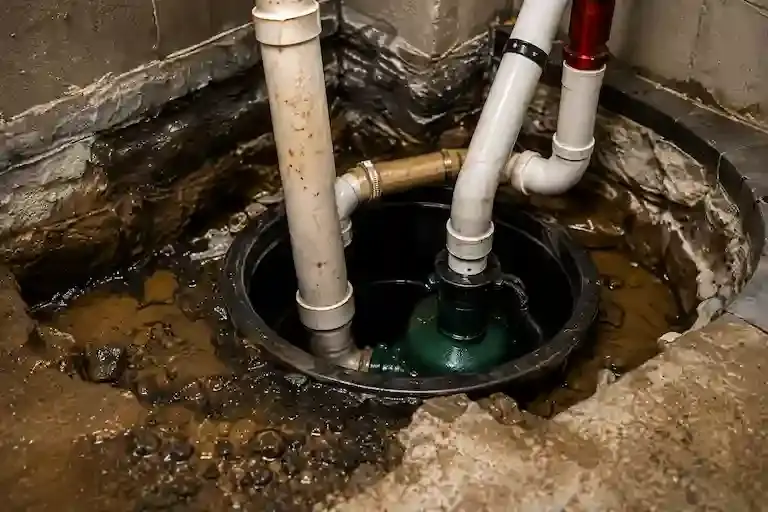
DRAINAGE SYSTEM EVALUATION
Existing footing drainage conditions are assessed to determine groundwater management requirements.
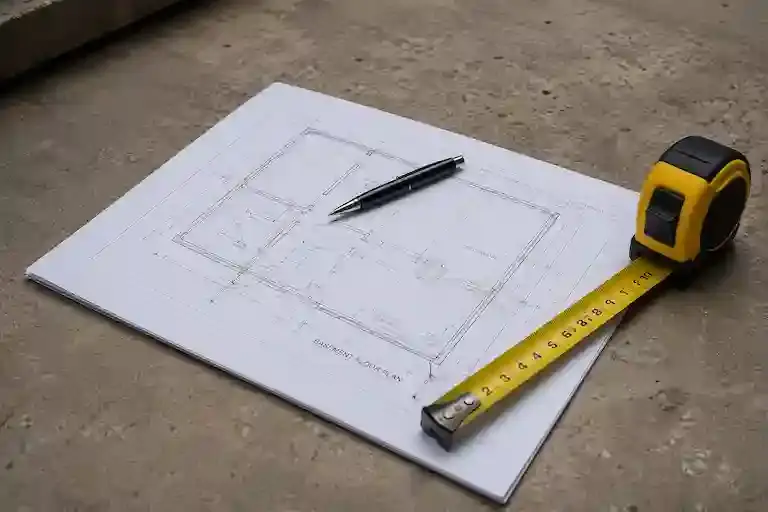
SYSTEM LAYOUT & PREPARATION
Interior drainage pathways and sump discharge locations are planned for long-term performance and accessibility.
Phase 2
INTERIOR DRAINAGE & WATER MANAGEMENT
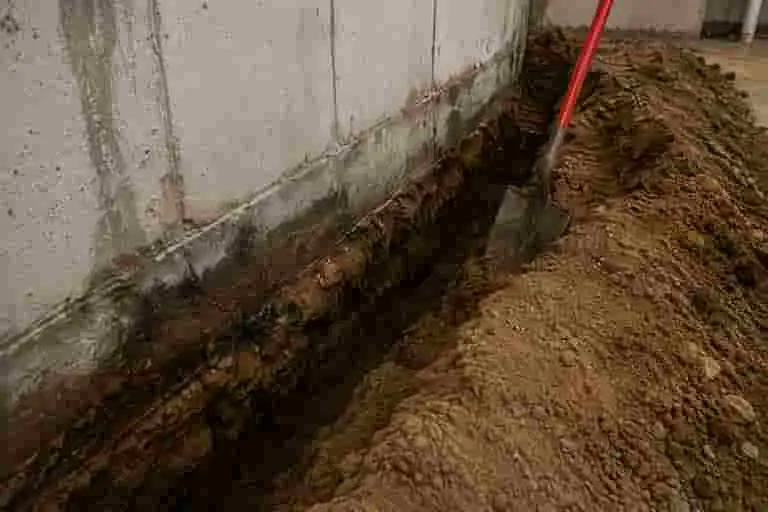
PERIMETER TRENCH EXCAVATION
Cracks, tie rod penetrations, and weak areas are repaired before waterproofing begins.
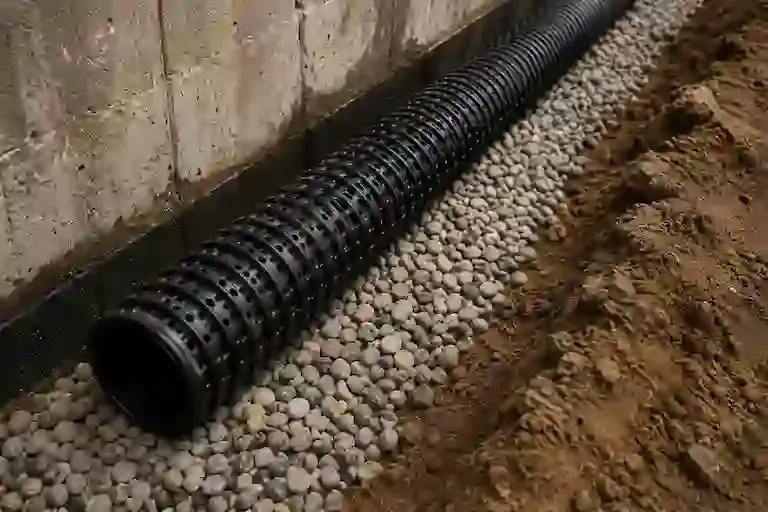
NTERIOR DRAINAGE INSTALLATION
Interior drainage channels are installed to safely redirect groundwater toward the sump system.
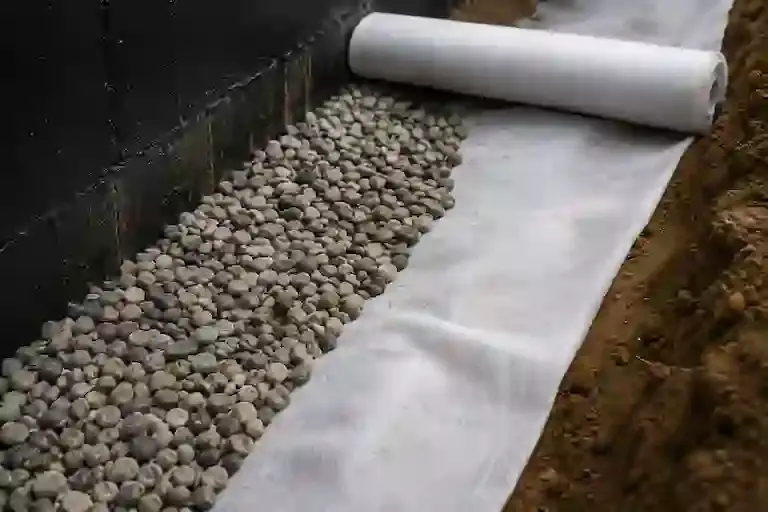
WASHED STONE & FILTER FABRIC
Clear washed stone and filtration fabric improve drainage flow while helping reduce sediment buildup.
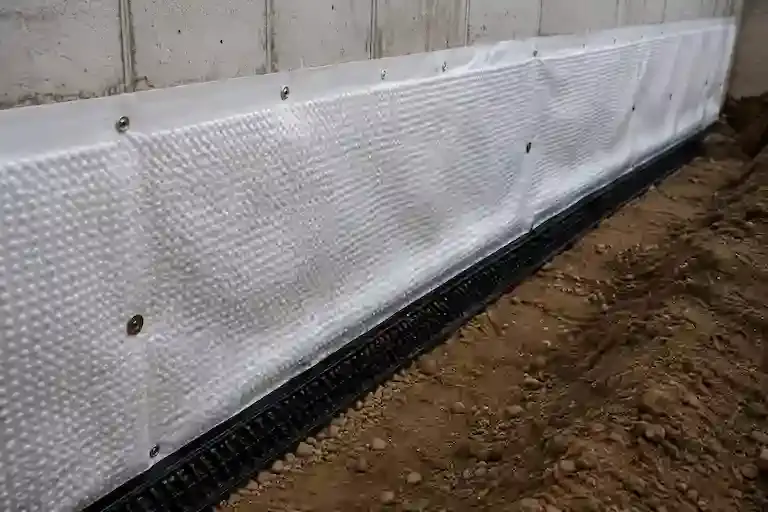
VAPOR BARRIER PROTECTION
Wall vapor barriers help manage moisture migration and direct water safely into the drainage system.
Phase 3
PRESSURE RELIEF & SYSTEM RESTORATION
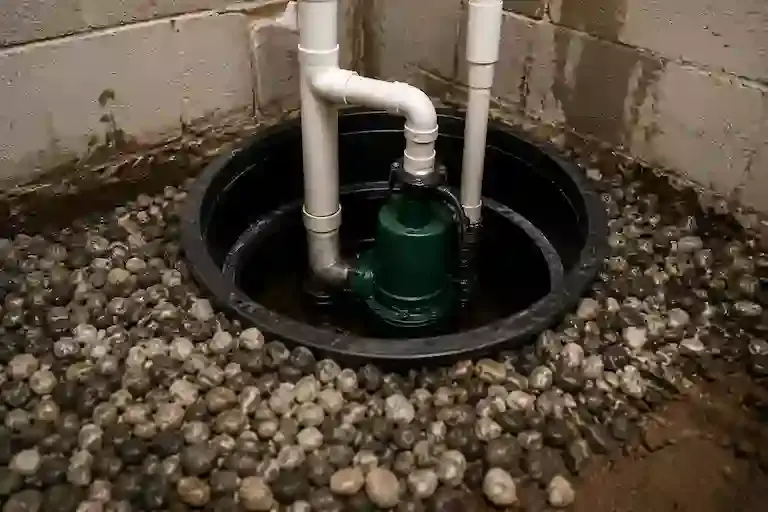
SUMP SYSTEM INTEGRATION
Groundwater is safely collected and redirected away from the foundation through the sump discharge system.
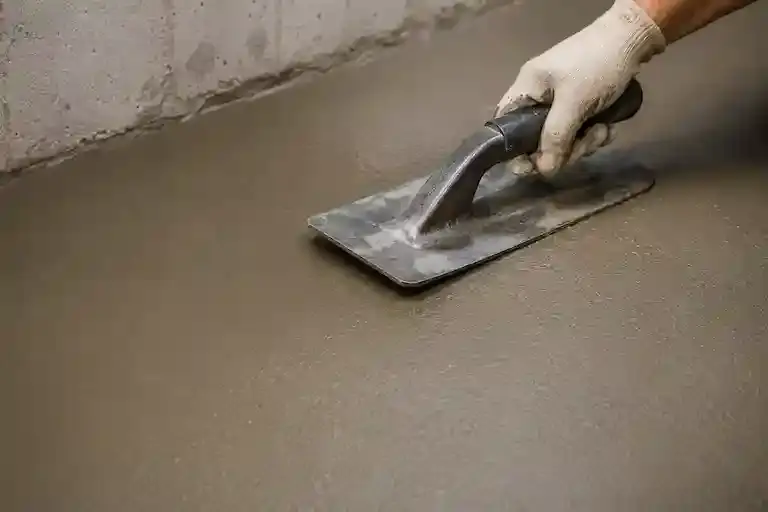
CONCRETE FLOOR RESTORATION
The basement floor is restored after drainage installation to create a clean and durable finished surface.
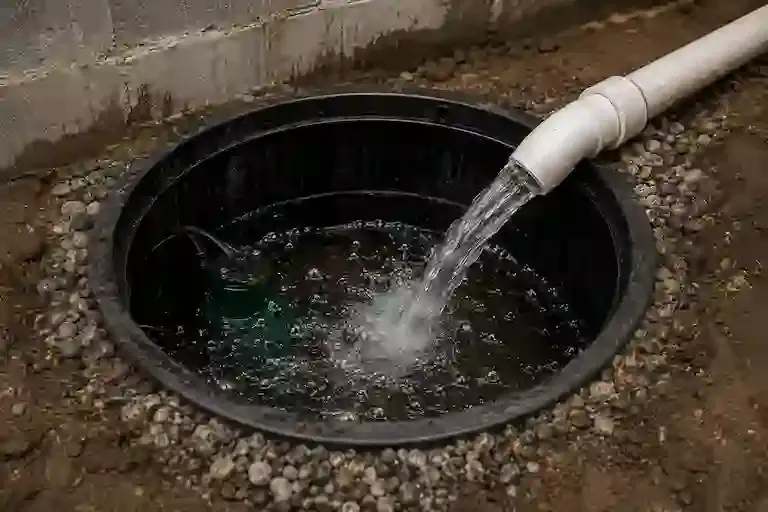
FINAL SYSTEM TESTING
Drainage flow and discharge performance are tested to ensure proper long-term operation.
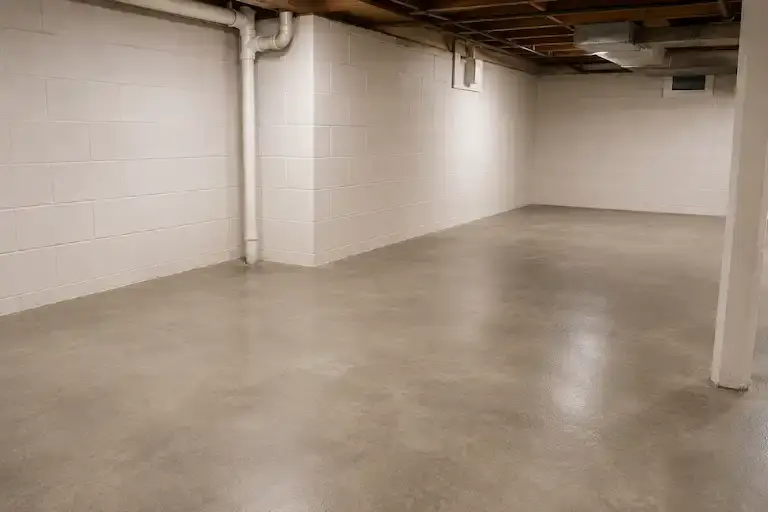
CLEANUP & PROJECT COMPLETION
The work area is cleaned and the completed waterproofing system is reviewed with the homeowner.
INTERIOR WATER MANAGEMENT SYSTEMS
RELIEVE FOUNDATION PRESSURE AND PROTECT YOUR BASEMENT
Groundwater pressure beneath the basement floor can gradually lead to seepage, moisture buildup, and interior damage over time. Professional interior waterproofing systems help control water intrusion and protect long-term basement conditions.
- +1 (905)-259-4636
Signs your foundation needs waterproofing
Warning Signs should never be ignored
Water problems around your foundation rarely fix themselves. Recognizing these warning signs early can help prevent costly structural damage and interior water intrusion
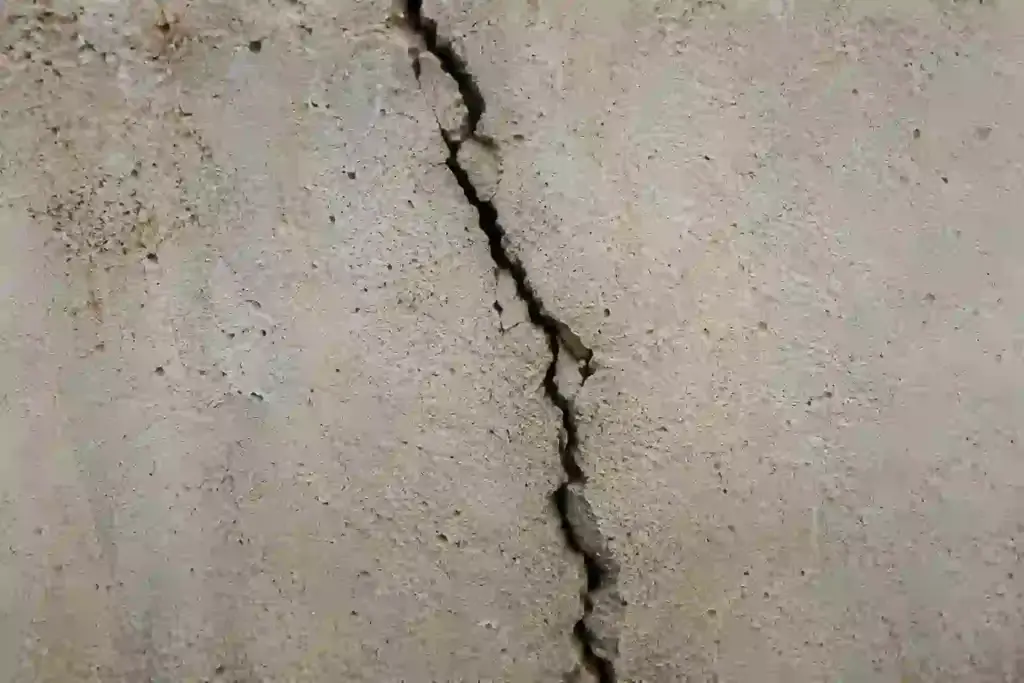
Basement Wall Cracks
Cracks in concrete walls allow water to seep through under pressure
Musty basement odors or Mold
persistent musty smells indicate hidden moisture and mold growth
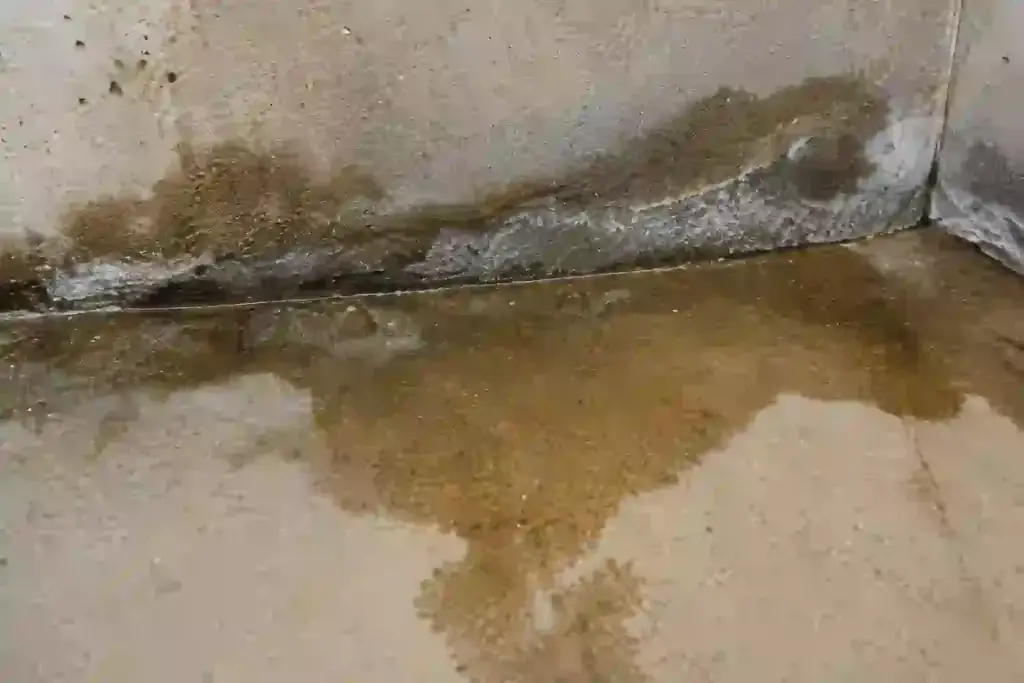
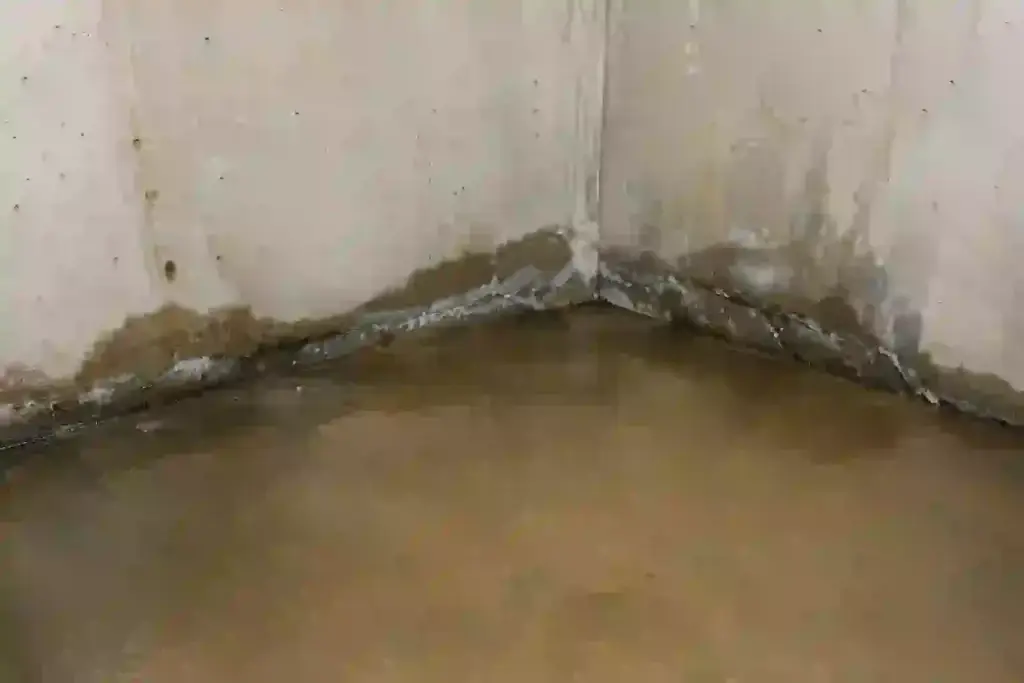
Water at cove joint
Water collecting where the wall meets the floor is a clear sign of hydrostatic pressure.
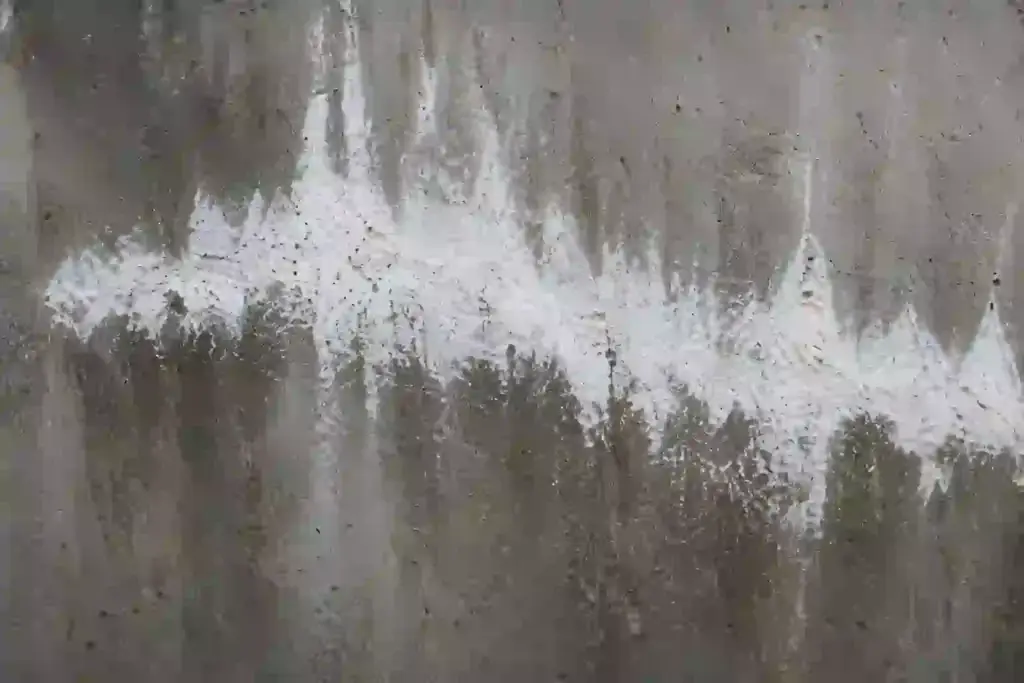
Efflorescence staining
White, powdery deposits on walls indicate water movement.
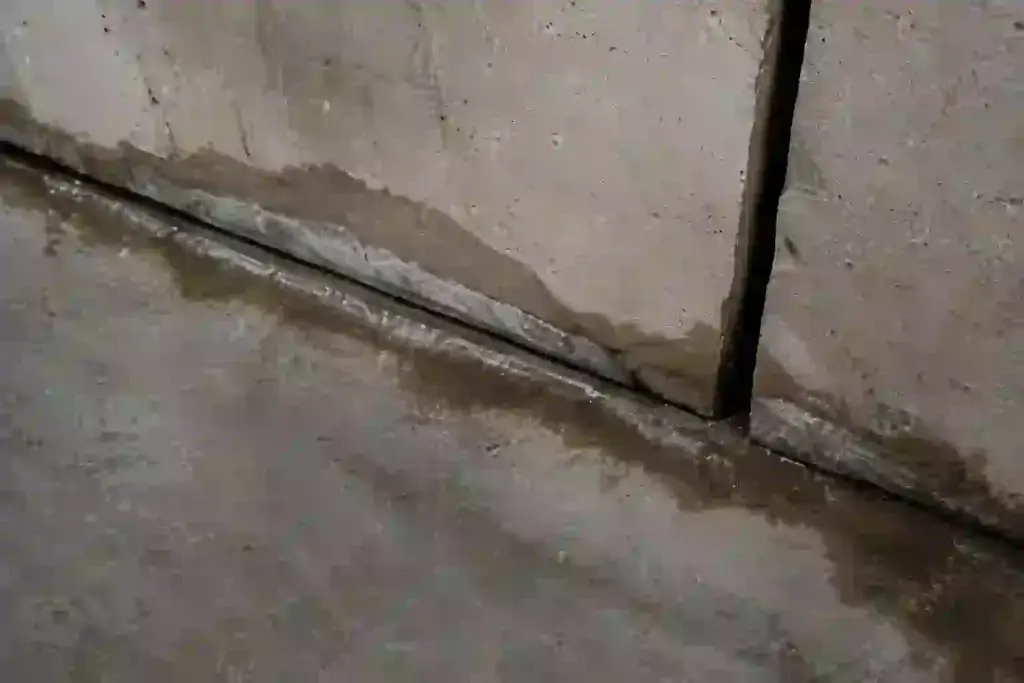
Bowing foundation walls
Walls that appear to be bowing or leaning may be under pressure
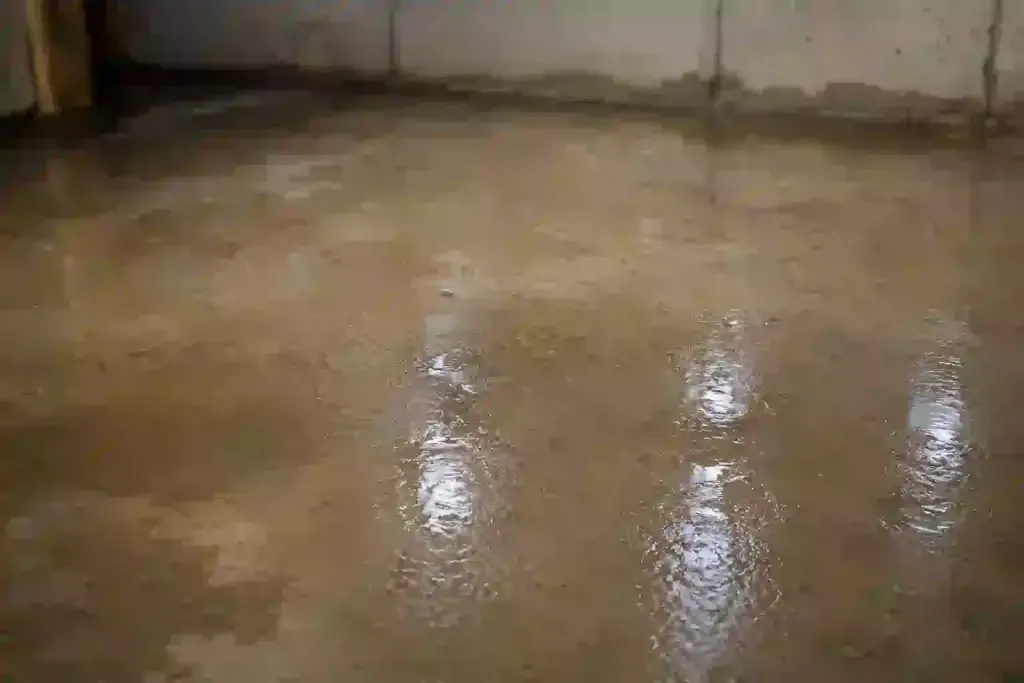
Wet or Damp Floors
Standing water or damp spots mean groundwater is entering your basement.
Engineered Failure Analysis
Why Many Interior Waterproofing Systems Fail Prematurely
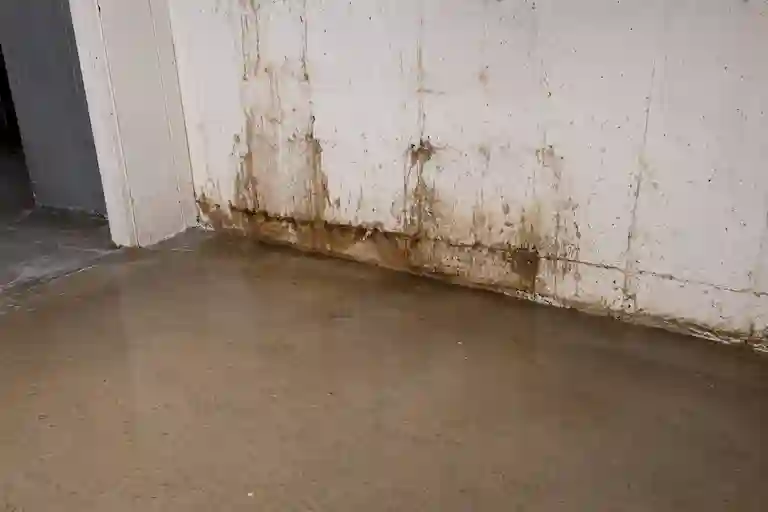
No Proper Drainage
Without an effective drainage system, water has nowhere to go and pressure builds up, leading to leaks and damage.
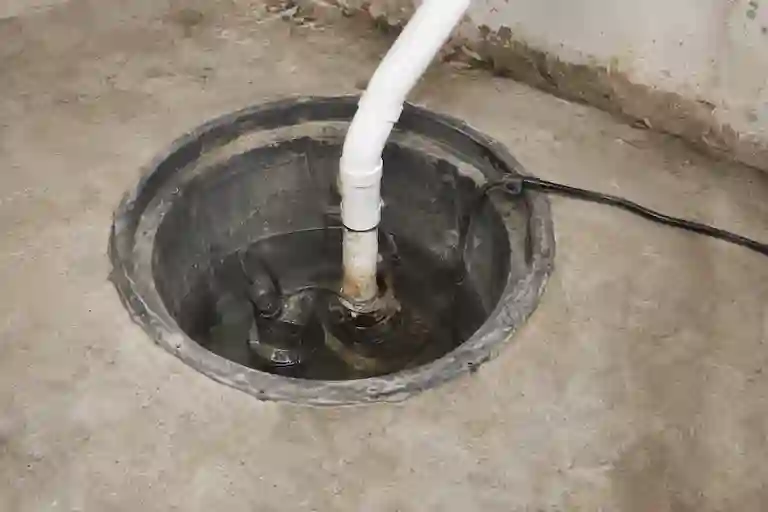
Poor Sump Pump Performance
Undersized or falling pumps can’t keep up with water flow, causing backups and overflows.
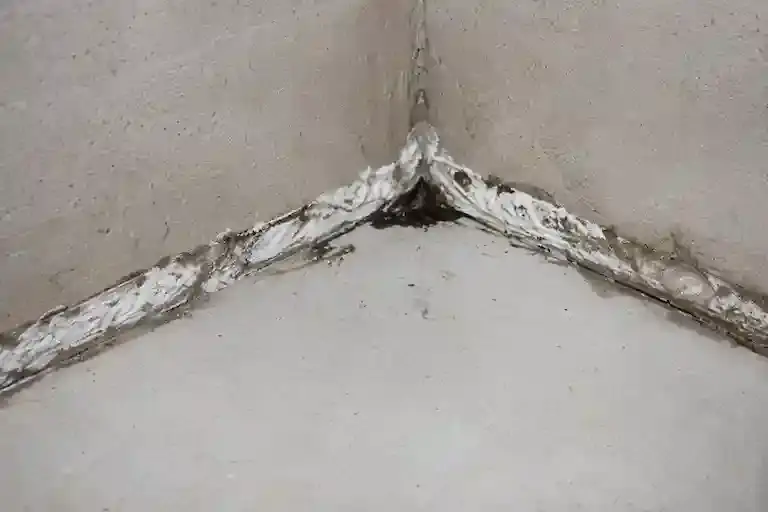
Missing or Poorly Applied Sealant
Gaps and unsealed cracks allow water to enter through walls and floor joints.
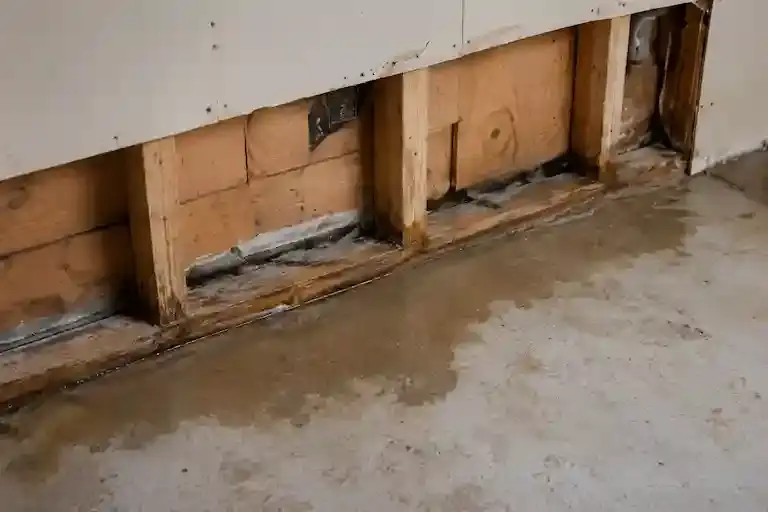
Improper Moisture Management
Not addressing humidity and moisture leads to mold, odor, and deterioration over time.
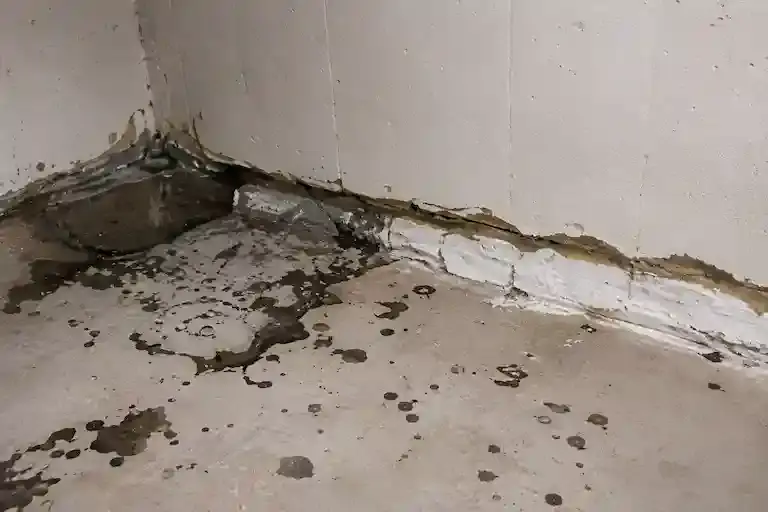
Inadequate Cove Joint Treatment
The wall-floor joint is a common entry point for water if not properly sealed and protected.
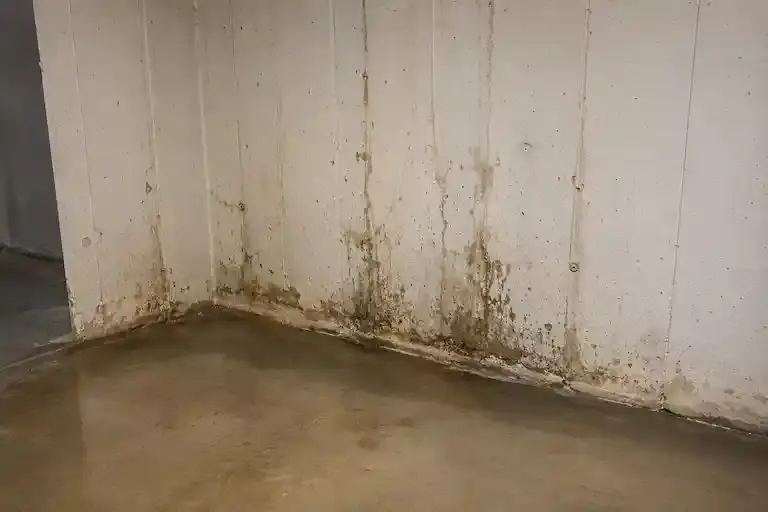
Ignored Warning Signs
Delaying action allows small issues to become major structural problems and higher repair costs.
The Bottom Line: Interior waterproofing is a system. When any component fails or is missing, water will find it’s way in. A properly designed and maintained system is the only long-term solution.
ONTARIO INTERIOR WATERPROOFING FAQ
Frequently Asked Questions
Technical Questions
How long does interior waterproofing last?
Interior basement waterproofing manages water after it reaches the foundation wall. A drainage channel is installed along the perimeter of the basement floor to collect groundwater and relieve hydrostatic pressure. The water is then directed to a sump pump system where it is safely discharged away from the home.
What is hydrostatic pressure?
Hydrostatic pressure occurs when groundwater accumulates around a foundation and exerts force against basement walls and floors. Over time, this pressure can force water through cracks, cold joints, porous concrete, and other weak points, resulting in basement leaks and moisture intrusion.
Can interior waterproofing stop basement leaks?
Interior waterproofing systems are designed to capture and manage groundwater before it enters the living space. While they do not prevent water from reaching the exterior side of the foundation wall, they provide a reliable long-term solution for controlling basement water intrusion and protecting finished areas.
Is interior waterproofing enough on its own?
The best solution depends on the source of the water problem. Interior waterproofing is highly effective for managing hydrostatic pressure and groundwater intrusion. In some situations, exterior waterproofing, grading improvements, gutter corrections, or foundation repairs may also be recommended as part of a complete moisture management strategy.
How does a drainage system relieve water pressure?
A properly installed interior drainage system intercepts groundwater before pressure can build beneath the basement floor. By creating a controlled pathway for water to reach the sump basin, the system reduces hydrostatic pressure and minimizes the risk of water entering the basement.
What type of sump pumps do you install?
We install high-quality sump pump systems designed to handle Ontario’s changing weather conditions and groundwater levels. Depending on the property’s needs, options may include primary pumps, battery backup systems, and high-water alarms for additional protection during heavy rainfall or power outages.
Can interior waterproofing prevent mold growth?
By reducing excess moisture and controlling water intrusion, interior waterproofing can significantly lower the conditions that contribute to mold growth. A dry basement helps protect indoor air quality, reduces musty odors, and minimizes the risk of moisture-related damage to building materials.
What causes basement leaks in Ontario?
Basement leaks can result from hydrostatic pressure, freeze-thaw cycles, foundation settlement, aging drainage systems, clogged weeping tile, poor grading, heavy rainfall, and snowmelt. Ontario’s climate and soil conditions can place considerable stress on foundation systems over time.
Regional Questions
Why are basement leaks common in Southern Ontario
Southern Ontario experiences significant seasonal weather changes, including heavy rainfall, spring snowmelt, and freeze-thaw cycles. Combined with clay-rich soils and aging housing stock, these conditions often contribute to groundwater buildup and basement moisture problems.
How does freeze-thaw cycles affect foundations?
When water enters small cracks and pores within concrete, freezing temperatures cause the water to expand. Repeated freeze-thaw cycles can gradually enlarge cracks, accelerate deterioration, and create pathways for moisture intrusion into the basement.
Are clay soils a problem for Ontario homes?
Many areas throughout Southern Ontario contain expansive clay soils that absorb and retain large amounts of water. As these soils expand and contract with moisture changes, they can increase pressure against foundation walls and contribute to drainage issues around the home.
Why do older Ontario homes leak more often?
Older homes frequently have aging waterproofing materials, deteriorated drainage systems, foundation settlement, and decades of exposure to moisture. Over time, these factors can increase the likelihood of water intrusion and foundation-related concerns.
Does spring snowmelt increase basement moisture?
Yes. Rapid snowmelt can saturate surrounding soil and increase groundwater levels around a foundation. When combined with spring rainfall, this can create additional hydrostatic pressure and increase the risk of basement leaks.
What areas do you service across Southern Ontario?
We provide basement waterproofing and foundation moisture control solutions throughout Southern Ontario. Contact our team to confirm service availability in your area and schedule a professional foundation assessment.
Still have questions?
Every foundation is different. Our waterproofing specialists can assess the source of water intrusion, identify contributing factors, and recommend the most effective long-term solution for your home.
Cost & Logistics
How long does interior waterproofing take?
Most interior waterproofing projects can be completed within one to several days, depending on basement size, accessibility, drainage requirements, and the overall scope of work. Larger or more complex projects may require additional time.
Do I need to move furniture before installation?
We recommend removing furniture, storage items, and personal belongings from the work area before installation begins. Clearing access helps improve efficiency and allows our team to complete the project safely and effectively.
Will there be dust during the installation?
Some dust is generated when concrete floors are opened to install the drainage system. Professional dust-control measures and cleanup procedures are used to minimize disruption and help keep the work area as clean as possible.
How much does interior basement waterproofing cost?
The cost of interior waterproofing depends on several factors, including basement size, foundation conditions, drainage requirements, sump pump upgrades, and accessibility. A professional inspection is the best way to determine the most appropriate solution and project cost.
Can you waterproof a finished basement?
Yes. Interior waterproofing systems can often be installed in finished basements. In some cases, sections of finished walls or flooring may need to be temporarily removed to access the foundation perimeter and drainage area.
Does interior waterproofing come with a warranty?
Warranty coverage varies depending on the waterproofing system and installation scope. We provide clear information regarding warranty options and workmanship coverage during the consultation process.
Can waterproofing be installed year-round?
Yes. Interior basement waterproofing can typically be installed throughout the year because the work is performed inside the home. Seasonal weather conditions generally have minimal impact on the installation process.
Will interior waterproofing increase my home's value?
A dry, protected basement can improve a home’s appeal to potential buyers and reduce concerns about moisture-related issues. Waterproofing may also help preserve structural components and protect finished living spaces from future water damage.
Ontario Basement Waterproofing
Local Waterproofing Solutions Across Ontario
Foundation leaks are affected by soil conditions, water table levels, grading, hydrostatic pressure, freeze-thaw cycles, and the age of the home. Vanguard Waterproofing provides region-specific basement waterproofing solutions designed for Ontario homes.
Local Soil & Drainage Expertise
Every region has unique soil types and water table levels. We tailor our solutions to local conditions.
Interior & Exterior Solutions
From interior waterproofing to exterior excavation and foundation sealing, we’ve got you covered.
Dedicated City Pages
Explore your city to learn more about local waterproofing challenges and solutions
Durham Region
Cities throughout Durham Region experience clay-heavy soil conditions, groundwater pressure, aging drainage infrastructure, and seasonal freeze-thaw challenges that can contribute to basement moisture problems and foundation leaks.
Ajax
Clay-heavy soil, seasonal freeze-thaw cycles, and poor drainage conditions can increase basement waterproofing issues in Ajax homes.
Coming soon →
Brock
Rural grading, high groundwater areas, and seasonal soil movement can contribute to foundation moisture problems in Brock properties.
Coming soon →
Clarington
Expanding soil conditions, heavy rainfall, and freeze-thaw cycles can increase foundation leak risks in Clarington homes.
Coming soon →
Oshawa
Clay soil, older foundations, and aging drainage infrastructure can contribute to basement moisture issues in Oshawa properties.
Coming soon →
Pickering
Poor exterior drainage, groundwater pressure, and freeze-thaw cycles can increase basement waterproofing issues in Pickering homes.
Coming soon →
Scugog
Rural drainage conditions, elevated groundwater, and seasonal soil movement can increase foundation leak risks in Scugog properties.
Coming soon →
Uxbridge
Sloped grading, groundwater movement, and freeze-thaw cycles can contribute to basement moisture risks in Uxbridge homes.
Coming soon →
Whitby
Changing groundwater levels, drainage issues, and seasonal freeze-thaw cycles can contribute to basement moisture problems in Whitby homes.
Coming soon →
GTA (Greater Toronto Area)
Cities in the Greater Toronto Area experience a variety of soil conditions, aging infrastructure, and seasonal weather challenges.
Ajax
Clay-heavy soil, seasonal freeze-thaw cycles, and poor drainage conditions can increase basement waterproofing issues in Ajax homes.
Coming soon →
Aurora
Older foundations and fluctuating groundwater conditions can contribute to moisture intrusion problems in Aurora properties.
Coming soon →
Brampton
Expanding clay soil and heavy seasonal rainfall can place pressure against Brampton basement foundations.
Coming soon →
Burlington
Changing groundwater levels and aging foundation systems can increase basement moisture problems in Burlington homes.
Coming soon →
Caledon
Rural grading conditions and seasonal soil movement can contribute to foundation moisture issues in Caledon properties.
Coming soon →
Clarington
Heavy rainfall, expanding soil conditions, and seasonal freeze-thaw cycles can increase basement waterproofing issues in Clarington homes.
Coming soon →
East Gwillimbury
Changing groundwater conditions and expanding soil can contribute to basement moisture problems in East Gwillimbury properties.
Coming soon →
Georgina
High groundwater levels and seasonal weather conditions can increase the risk of basement water intrusion in Georgina homes.
Coming soon →
Halton Hills
Drainage challenges, sloped grading conditions, and seasonal foundation movement can contribute to basement moisture issues in Halton Hills homes.
Coming soon →
King
Expanding soil conditions and fluctuating groundwater levels can increase hydrostatic pressure around King foundations.
Coming soon →
Markham
Dense urban development, clay-heavy soil, and seasonal freeze-thaw conditions can contribute to basement waterproofing issues in Markham homes.
Coming soon →
Milton
Rapid residential expansion, grading changes, and clay-heavy soil conditions can increase basement leak risks in Milton properties.
Coming soon →
Mississauga
Groundwater pressure, aging drainage systems, and seasonal weather conditions can contribute to basement moisture problems in Mississauga homes.
Coming soon →
Newmarket
Seasonal moisture changes and shifting soil conditions can place stress on Newmarket foundations over time.
Coming soon →
Oakville
Changing groundwater levels, older foundation systems, and seasonal weather patterns can increase basement leak risks in Oakville homes.
Coming soon →
Oshawa
Clay soil, heavy rainfall, and aging infrastructure can contribute to basement moisture issues in Oshawa properties.
Coming soon →
Pickering
Poor drainage conditions and fluctuating groundwater levels can increase basement waterproofing issues in Pickering homes.
Coming soon →
Richmond Hill
Expanding soil conditions and elevated hydrostatic pressure can contribute to foundation moisture problems in Richmond Hill homes.
Coming soon →
Scugog
Rural drainage conditions and seasonal soil movement can increase foundation leak risks in Scugog properties.
Coming soon →
Toronto
Older foundations, dense infrastructure, and fluctuating groundwater conditions can contribute to basement leaks in Toronto homes.
Coming soon →
Uxbridge
Groundwater movement, grading conditions, and freeze-thaw cycles can increase basement moisture risks in Uxbridge homes.
Coming soon →
Vaughan
Clay-heavy soil, rapid expansion, and seasonal rainfall can increase hydrostatic pressure around Vaughan foundations.
Coming soon →
Whitby
Changing groundwater conditions and drainage issues can contribute to basement moisture problems in Whitby homes.
Coming soon →
Whitchurch-Stouffville
Shifting soil conditions and seasonal moisture changes can increase foundation stress in Whitchurch-Stouffville homes.
Coming soon →
Halton Region
Cities throughout Halton Region experience changing groundwater conditions, clay-heavy soil areas, grading challenges, and seasonal freeze-thaw cycles that can contribute to basement moisture problems and foundation leaks.
Burlington
Changing groundwater levels and aging foundation systems can increase basement moisture problems in Burlington homes.
Coming soon →
Halton Hills
Sloped grading conditions, seasonal soil movement, and drainage challenges can contribute to foundation moisture issues in Halton Hills homes.
Coming soon →
Milton
Rapid residential expansion, clay-heavy soil conditions, and grading changes can increase basement waterproofing risks in Milton properties.
Coming soon →
Oakville
Fluctuating groundwater levels, older drainage systems, and freeze-thaw cycles can contribute to basement moisture problems in Oakville homes.
Coming soon →
Hamilton & Niagara Region
Cities throughout Halton Region experience changing groundwater conditions, clay-heavy soil areas, and seasonal weather patterns that can contribute to basement moisture problems and foundation leaks.
Ancaster
Sloped grading, older foundations, and seasonal groundwater movement can contribute to basement moisture issues in Ancaster homes.
Coming soon →
Dundas
Valley terrain, drainage challenges, and freeze-thaw cycles can increase foundation leak risks in Dundas properties.
Coming soon →
Flamborough
Rural grading, changing water table levels, and seasonal soil movement can contribute to basement waterproofing issues in Flamborough homes.
Coming soon →
Glanbrook
Clay soil conditions, grading changes, and seasonal moisture movement can increase basement leak risks in Glanbrook properties.
Coming soon →
Hamilton
Older foundations, urban drainage pressure, and freeze-thaw cycles can contribute to basement moisture problems in Hamilton homes.
Coming soon →
Stoney Creek
Lake-effect moisture, sloped grading, and groundwater pressure can increase foundation leak risks in Stoney Creek homes.
Coming soon →
Northumberland County
Communities throughout Northumberland County experience changing groundwater levels, rural drainage challenges, seasonal freeze-thaw cycles, and shifting soil conditions that can contribute to basement moisture problems and foundation leaks.
Alnwick/Haldimand
Changing groundwater conditions, rural drainage challenges, and seasonal soil movement can contribute to foundation moisture problems in Alnwick/Haldimand homes.
Coming soon →
Brighton
High groundwater levels, seasonal moisture changes, and freeze-thaw cycles can increase basement leak risks in Brighton properties.
Coming soon →
Cobourg
Older foundations, fluctuating groundwater conditions, and seasonal weather patterns can contribute to basement moisture problems in Cobourg homes.
Coming soon →
Cramahe
Rural grading conditions, shifting soil movement, and changing water table levels can contribute to foundation leak risks in Cramahe properties.
Coming soon →
Hamilton Township
Seasonal moisture movement, rural drainage conditions, and groundwater pressure can increase basement waterproofing issues in Hamilton Township homes.
Coming soon →
Port Hope
Older foundation systems, fluctuating groundwater levels, and freeze-thaw cycles can contribute to basement moisture problems in Port Hope homes.
Coming soon →
Trent Hills
Rural drainage challenges, seasonal soil movement, and elevated groundwater conditions can increase foundation leak risks in Trent Hills properties.
Coming soon →
Peel Region
Cities throughout Peel Region experience clay-heavy soil conditions, rapid urban development, aging drainage infrastructure, and seasonal freeze-thaw cycles that can contribute to basement moisture problems and foundation leaks.
Brampton
Clay-heavy soil, dense residential development, and seasonal rainfall can increase hydrostatic pressure around Brampton foundations.
Coming soon →
Caledon
Rural grading conditions, seasonal soil movement, and fluctuating groundwater levels can contribute to foundation moisture problems in Caledon properties.
Coming soon →
Mississauga
Groundwater pressure, aging drainage systems, and seasonal weather conditions can contribute to basement moisture issues in Mississauga homes.
Coming soon →
Simcoe County
Cities and communities throughout Simcoe County experience changing groundwater conditions, seasonal freeze-thaw cycles, rural drainage challenges, and shifting soil conditions that can contribute to basement moisture problems and foundation leaks.
Adjala-Tosorontio
Rural drainage conditions, seasonal soil movement, and fluctuating groundwater levels can contribute to foundation moisture problems in Adjala-Tosorontio homes.
Coming soon →
Barrie
Older foundations, changing groundwater conditions, and seasonal freeze-thaw cycles can contribute to basement moisture problems in Barrie homes.
Coming soon →
Bradford West Gwillimbury
Expanding residential development, clay-heavy soil, and seasonal rainfall can increase basement leak risks in Bradford West Gwillimbury properties.
Coming soon →
Clearview
Changing groundwater conditions and seasonal freeze-thaw cycles can contribute to basement moisture issues in Clearview homes.
Coming soon →
Collingwood
Freeze-thaw cycles, elevated groundwater levels, and seasonal moisture conditions can increase foundation leak risks in Collingwood properties.
Coming soon →
Essa
Shifting soil conditions and rural drainage challenges can contribute to basement waterproofing issues in Essa homes.
Coming soon →
Innisfil
Changing water table levels, seasonal rainfall, and expanding soil conditions can increase basement moisture problems in Innisfil homes.
Coming soon →
Midland
Elevated groundwater levels, aging foundations, and seasonal weather conditions can contribute to basement leak risks in Midland properties.
Coming soon →
New Tecumseth
Clay-heavy soil, rapid residential growth, and seasonal moisture movement can contribute to foundation moisture problems in New Tecumseth homes.
Coming soon →
Oro-Medonte
Rural grading conditions, groundwater movement, and freeze-thaw cycles can increase basement waterproofing risks in Oro-Medonte properties.
Coming soon →
Penetanguishene
High groundwater conditions and seasonal moisture changes can contribute to basement leak risks in Penetanguishene homes.
Coming soon →
Ramara
Seasonal water accumulation, shifting soil conditions, and rural drainage challenges can increase foundation moisture problems in Ramara properties.
Coming soon →
Severn
Changing groundwater levels and seasonal freeze-thaw cycles can contribute to basement waterproofing issues in Severn homes.
Coming soon →
Springwater
Rural grading conditions, seasonal soil movement, and fluctuating groundwater levels can increase foundation leak risks in Springwater properties.
Coming soon →
Tay
Elevated groundwater conditions and seasonal weather changes can contribute to basement moisture problems in Tay homes.
Coming soon →
Tiny
Groundwater movement, seasonal rainfall, and rural drainage conditions can increase foundation leak risks in Tiny properties.
Coming soon →
Wasaga Beach
High water table levels, sandy soil conditions, and seasonal moisture changes can contribute to basement waterproofing issues in Wasaga Beach homes.
Coming soon →
Waterloo Region
Cities throughout Waterloo Region experience changing groundwater conditions, clay-heavy soil areas, seasonal freeze-thaw cycles, and rapid urban development that can contribute to basement moisture problems and foundation leaks.
Cambridge
Changing groundwater levels, older foundation systems, and seasonal freeze-thaw cycles can contribute to basement waterproofing issues in Cambridge homes.
Coming soon →
Kitchener
Clay soil conditions, aging drainage infrastructure, and seasonal moisture changes can increase basement leak risks in Kitchener properties.
Coming soon →
North Dumfries
Rural drainage conditions, shifting soil movement, and fluctuating groundwater levels can contribute to foundation moisture problems in North Dumfries homes.
Coming soon →
Waterloo
Urban development, groundwater pressure, and seasonal freeze-thaw conditions can contribute to basement moisture issues in Waterloo properties.
Coming soon →
Wellesley
Rural grading conditions, seasonal soil movement, and elevated groundwater levels can increase foundation leak risks in Wellesley homes.
Coming soon →
Wilmot
Changing groundwater conditions and rural drainage challenges can contribute to basement waterproofing problems in Wilmot properties.
Coming soon →
Woolwich
Seasonal moisture changes, shifting soil conditions, and groundwater movement can increase foundation moisture risks in Woolwich homes.
Coming soon →
Wellington County
Changing groundwater conditions, seasonal moisture movement, and aging foundation systems can contribute to basement waterproofing issues in Centre Wellington homes.
Centre Wellington
Changing groundwater conditions, seasonal moisture movement, and aging foundation systems can contribute to basement waterproofing issues in Centre Wellington homes.
Coming soon →
Erin
Rural grading conditions, shifting soil movement, and seasonal drainage challenges can increase foundation moisture risks in Erin properties.
Coming soon →
Guelph/Eramosa
Groundwater movement, rural drainage conditions, and freeze-thaw cycles can contribute to basement leak risks in Guelph/Eramosa homes.
Coming soon →
Minto
Seasonal soil movement, changing water table levels, and rural drainage issues can contribute to foundation moisture problems in Minto properties.
Coming soon →
Puslinch
Elevated groundwater conditions, sloped grading, and seasonal moisture changes can increase basement waterproofing risks in Puslinch homes.
Coming soon →
Wellington North
Rural drainage challenges, freeze-thaw cycles, and shifting soil conditions can contribute to basement moisture issues in Wellington North properties.
Coming soon →
York Region
Cities throughout York Region experience expanding soil conditions, changing groundwater levels, rapid residential development, and seasonal freeze-thaw cycles that can contribute to basement moisture problems and foundation leaks.
Aurora
Older foundations and fluctuating groundwater conditions can contribute to moisture intrusion problems in Aurora properties.
Coming soon →
East Gwillimbury
Shifting soil conditions, elevated groundwater levels, and seasonal weather changes can increase foundation moisture risks in East Gwillimbury properties.
Coming soon →
Georgina
High groundwater levels, lake-effect moisture, and seasonal drainage conditions can contribute to basement leak risks in Georgina homes.
Coming soon →
King
Expanding soil conditions and fluctuating groundwater levels can increase hydrostatic pressure around King foundations.
Coming soon →
Markham
Clay-heavy soil, dense urban infrastructure, and freeze-thaw cycles can contribute to basement moisture problems in Markham homes.
Coming soon →
Newmarket
Seasonal moisture changes, aging drainage systems, and shifting soil conditions can place stress on Newmarket foundations over time.
Coming soon →
Richmond Hill
Expanding soil conditions and elevated hydrostatic pressure can contribute to foundation moisture problems in Richmond Hill homes.
Coming soon →
Vaughan
Clay-heavy soil, rapid development, and seasonal rainfall can increase hydrostatic pressure around Vaughan foundations.
Coming soon →
Whitchurch-Stouffville
Shifting soil conditions, rural drainage challenges, and seasonal moisture changes can increase foundation stress in Whitchurch-Stouffville homes.
Coming soon →
Ontario Interior Basement Waterproofing You Can Trust
Protect your home from leaks, moisture, and costly foundation damage. Vanguard Waterproofing is veteran-owned and brings years of proven expertise to every project. For reliable basement waterproofing Ontario homeowners depend on, contact us today for a free inspection and lasting peace of mind.
- +1 905-259-4636
Get A Free Quote
Veteran Owned
Fully Licensed
Lifetime Warranty
Southern Ontario
Professional Systems