
Ontario Foundation Protection Systems
Ontario Exterior Basement Waterproofing
Professional exterior basement waterproofing systems designed to protect Ontario homes from groundwater intrusion, hydrostatic pressure, freeze-thaw damage, and long-term foundation moisture problems.
Exterior Excavation Systems
HDPE Membrane Protection
Weeping Tile Replacement
Foundation Crack Repair
Ontario Groundwater & Drainage Conditions
Why Ontario Foundations Experience Water Intrusion
Clay-Heavy Soils
Dense clay retains water and expands when saturated piercing pressure on foundatoin walls.
Freeze-Thaw Cycles
Repeated freezing and thawing causes soil movement and foundation cracks over time.
Seasonal Snow Melt
Sprint melt saturates the soil around your foundation, increasing water pressure.
Rising Groundwater
Higher water tables and heavy rainfall lead to hydrostatic pressure against basement walls.
Aging Drainage Systems
Older footing drains can clog or deteriorate over time, reducing groundwater flow around the foundation.
Hydrostatic Pressure
Saturated soil creates groundwater pressure that pushes moisture against foundation walls and floor joints.
Foundation Types Matter
Ontario Exterior Waterproofing Methods Vary By Foudnation Type
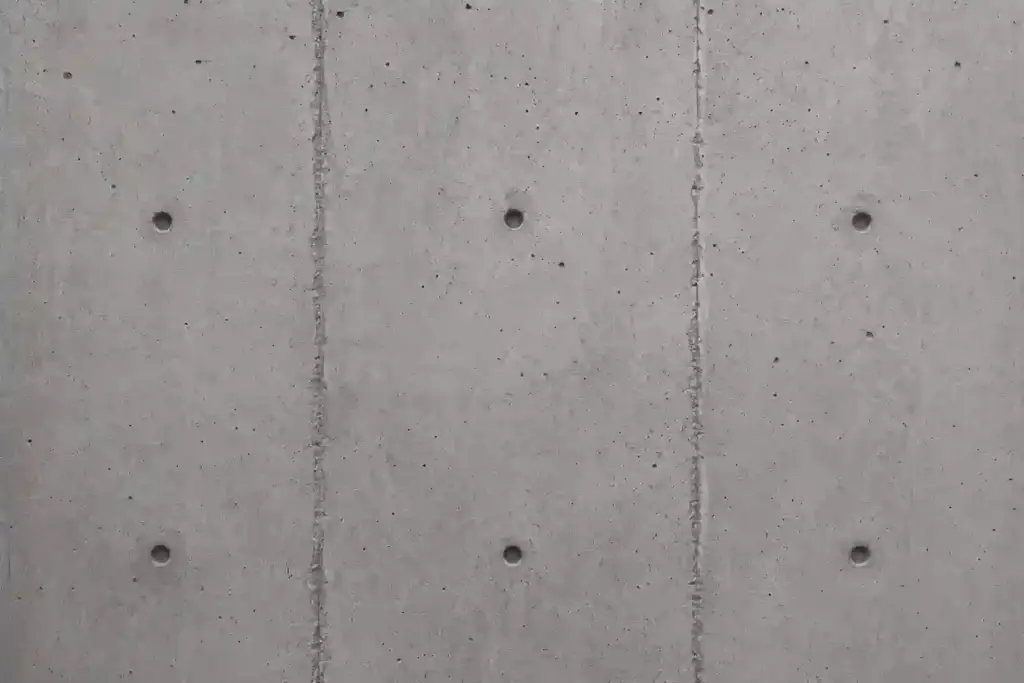
Poured Concrete Foundations
- Shrinkage cracks
- Tie-rod penetrations
- Cold joints
- Hydrostatic seepage
Solution: Crack repair, primer, rubberized membrane, HDPE protection, weeping tile replacement.

Concrete Block Foundations
- Core saturation
- Mortar joint failure
- Lateral pressure
- Internal seepage
Solution: Parging coat, membrane system, drainage board, and proper backfil management.
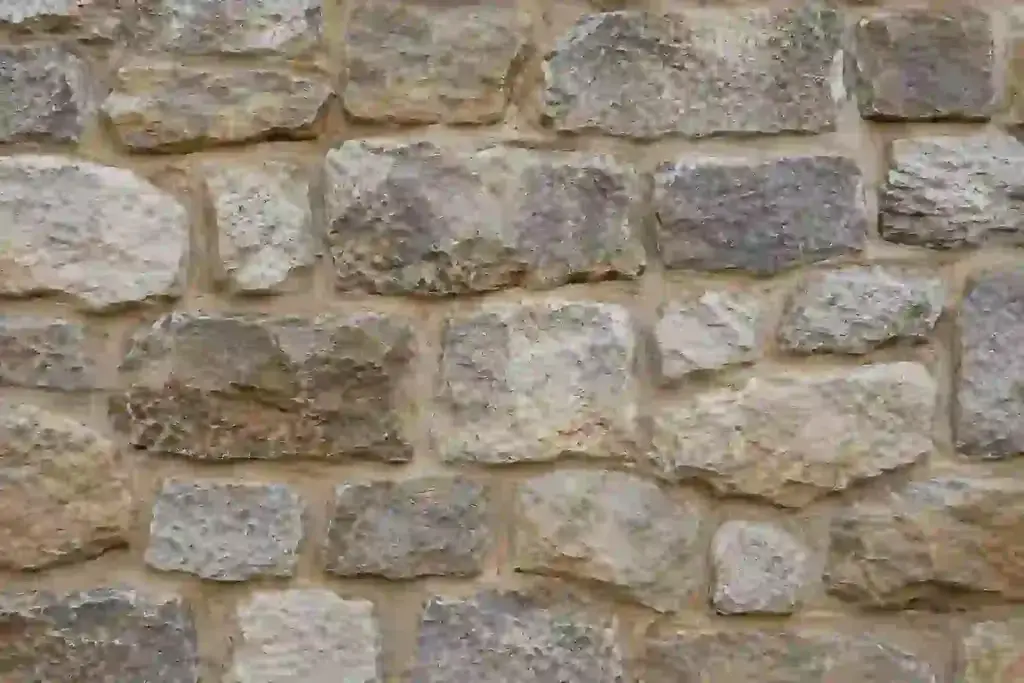
Traditional Stone Foundations
- Irregular surfaces
- Mortor deterioration
- Water through joints
- Structural aging
Solution: Mortar restoration, parging application, specialized membrane prep, and drainage protection.
Our Engineered Installtion Process
Exterior Waterproofing System Installation Sequence
Every foundation waterproofing system is installed using a structured multi-phase process designed to manage hydrostatic pressure, protect the foundation wall, and improve long term drainage performance.
Phase 1
Site Preparation & Foundation Access
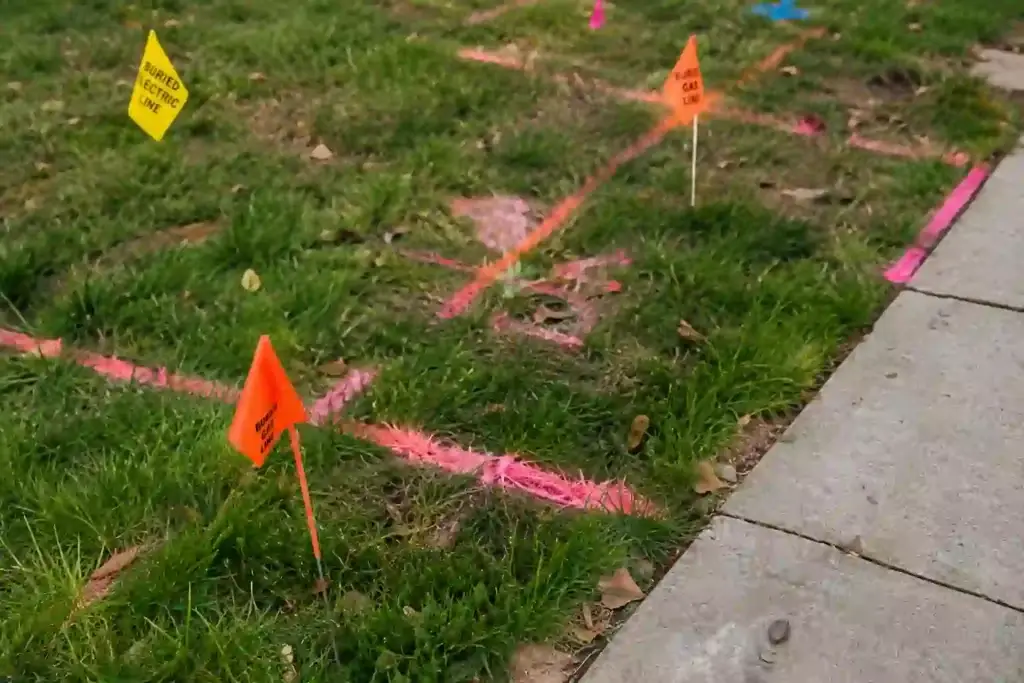
Utility Locates
Hydro, gas, and underground utility locates are completed before excavation begins.
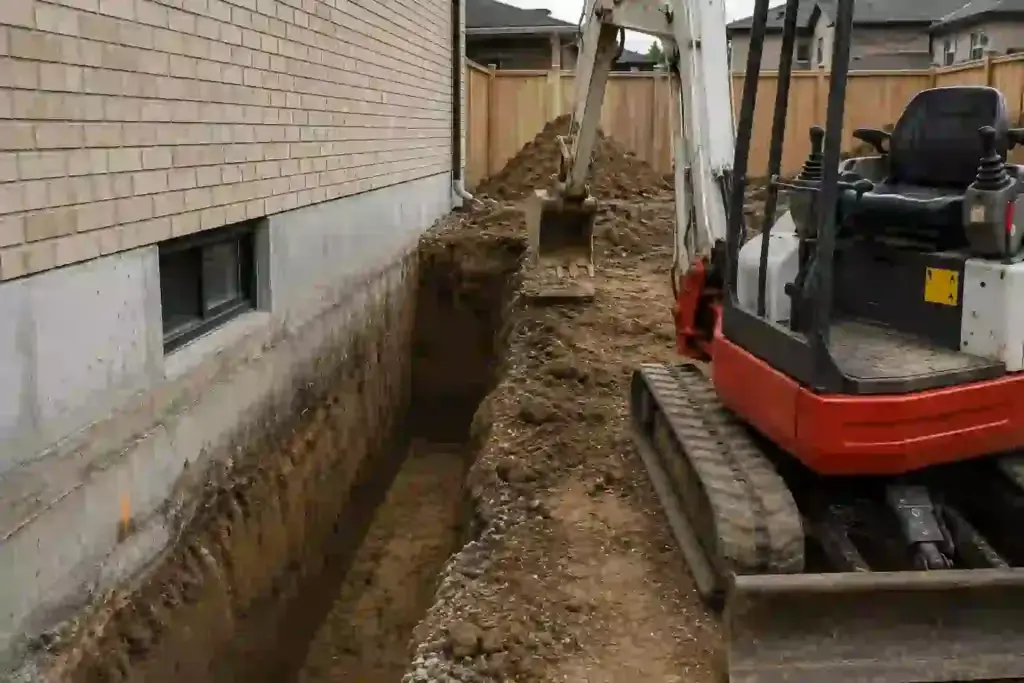
Excavation
Controlled excavation exposes the foundation wall and footing drainage system.
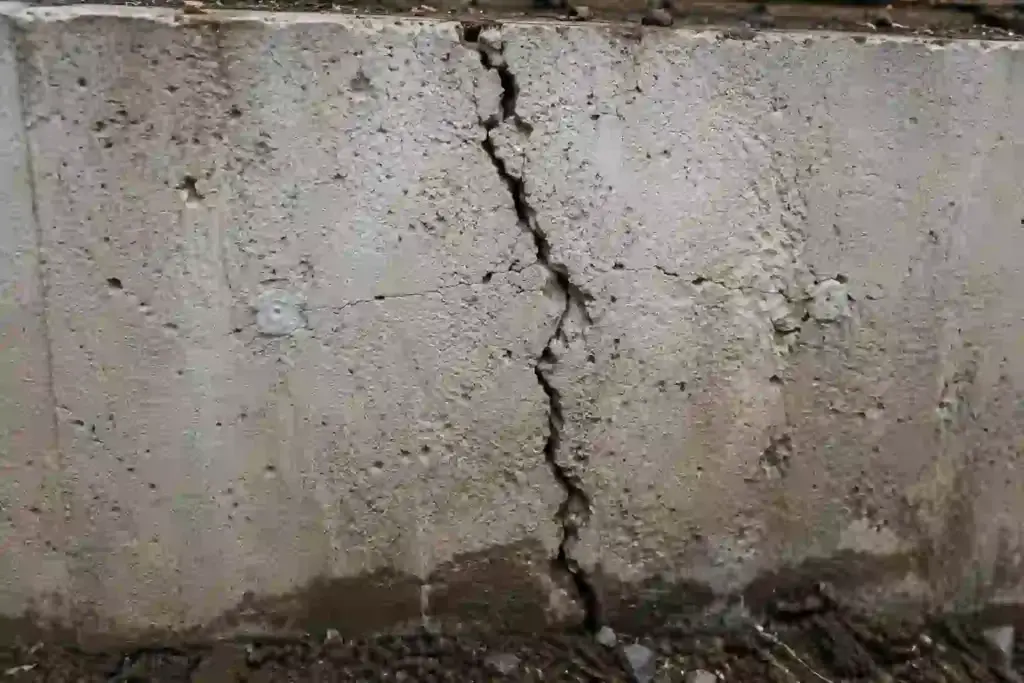
Foundation Inspection
The exposed foundation is inspected for cracks, deterioration, and drainage issues.
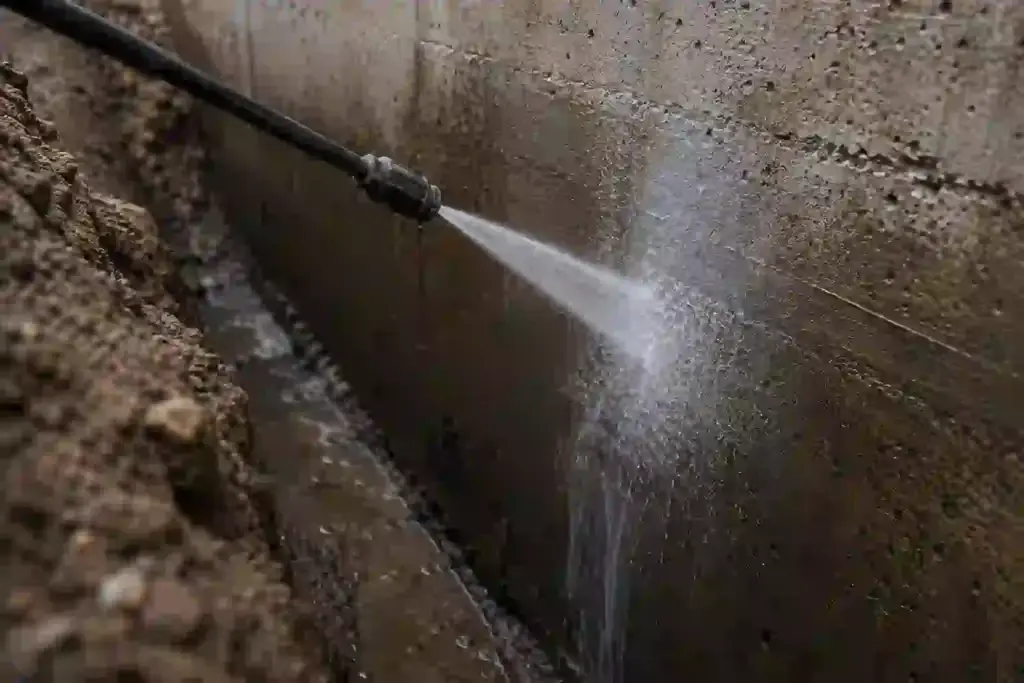
Surface Preperation
Foundation walls are cleaned and prepared to ensure proper membrane adhesion.
Phase 2
Foundation Waterproofing Systems
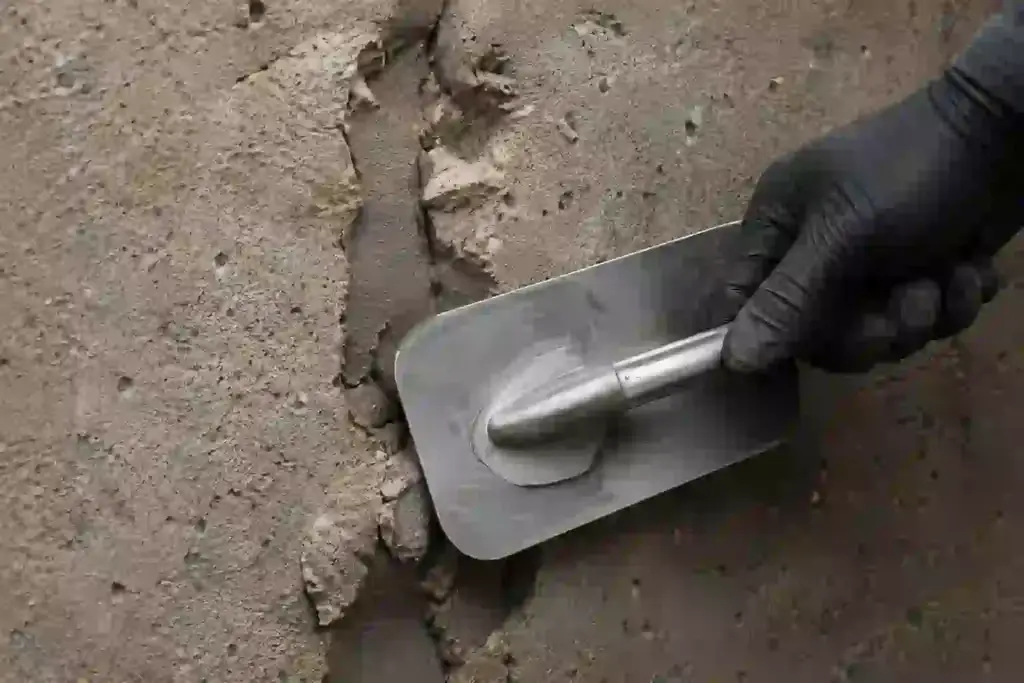
Crack & Joint Repair
Cracks, tie rod pentrations, and weak areas are repaired before waterproofing begins.
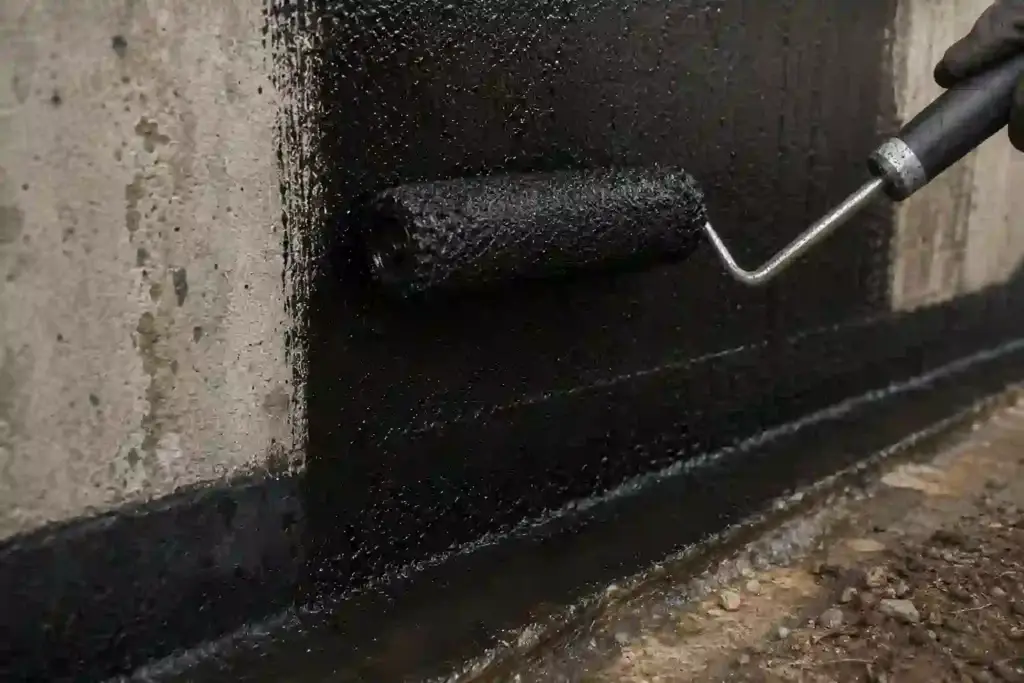
Primer Application
Primer is applied to improve membrane adhesion and long-term waterproofing.

Waterproof Membrane
Rubberized waterproof membranes are installed to stop groundwater intrustion.

HDPE Drainage Board
HDPE drainage board protects the membrane while relieving hydrostatic pressure.
Phase 3
Drainage & Site Restoration
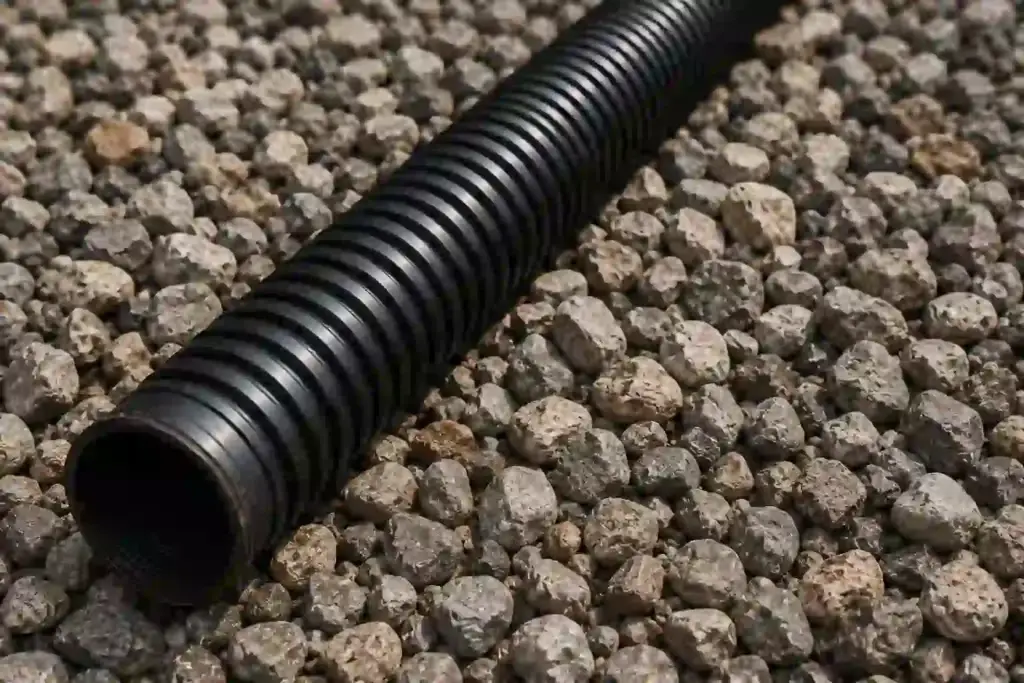
Weeping tile installation
New footing drainage systems are installed to redirect groundwater safely away.
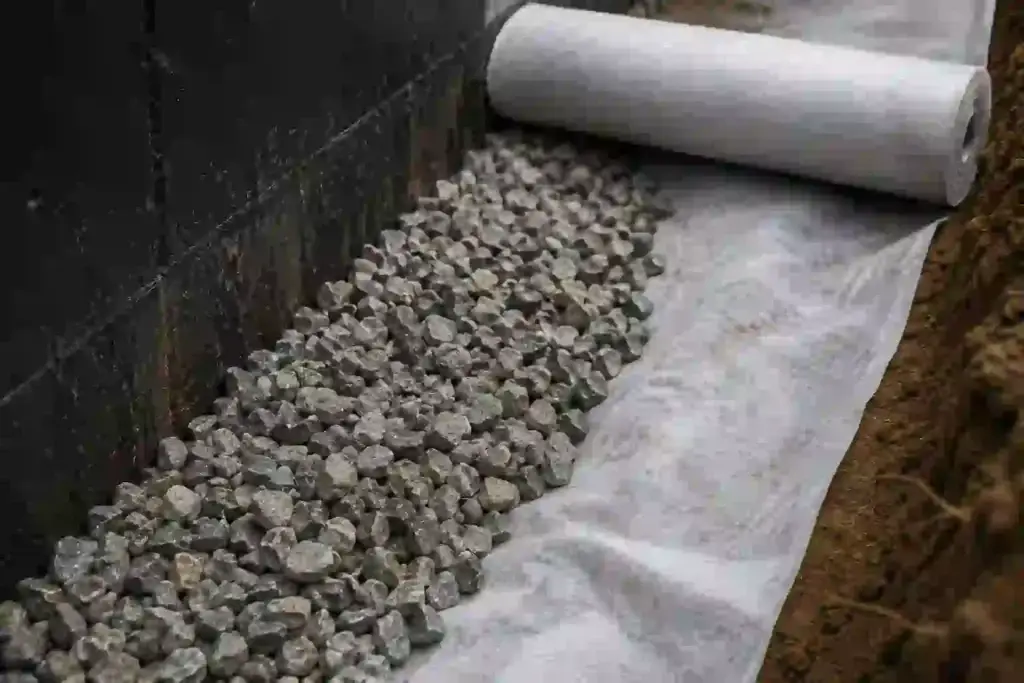
Washed stone & filter fabric
Clear washed stone and filtration fabric improve drainage performance and reduce clogging.
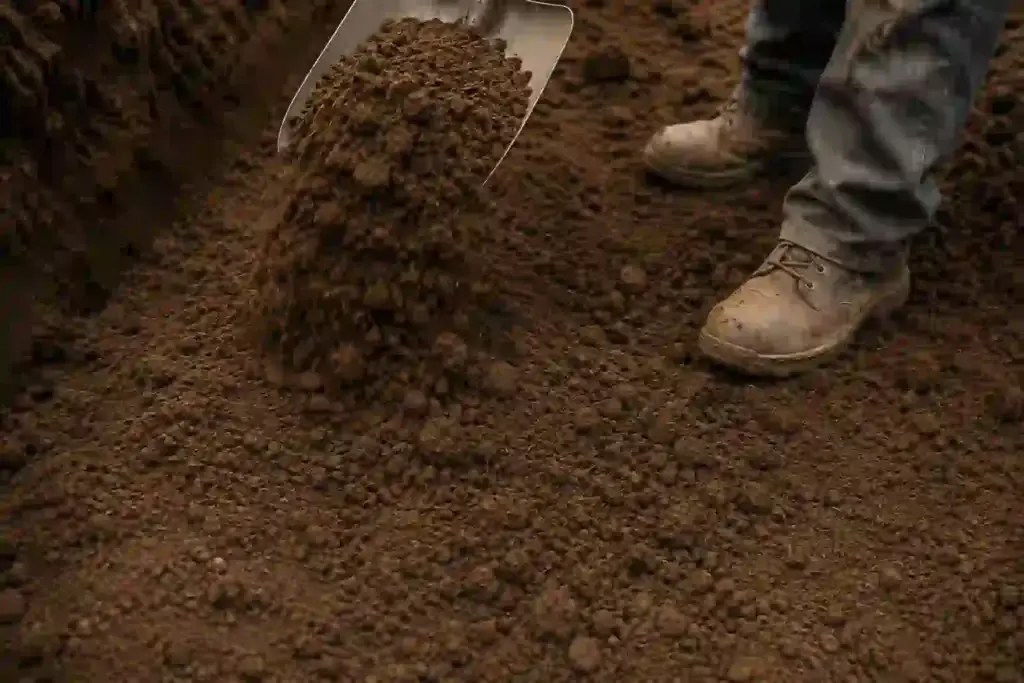
Backfill procedures
Backfilling is completed carefully to protect the waterproofing system from damage.
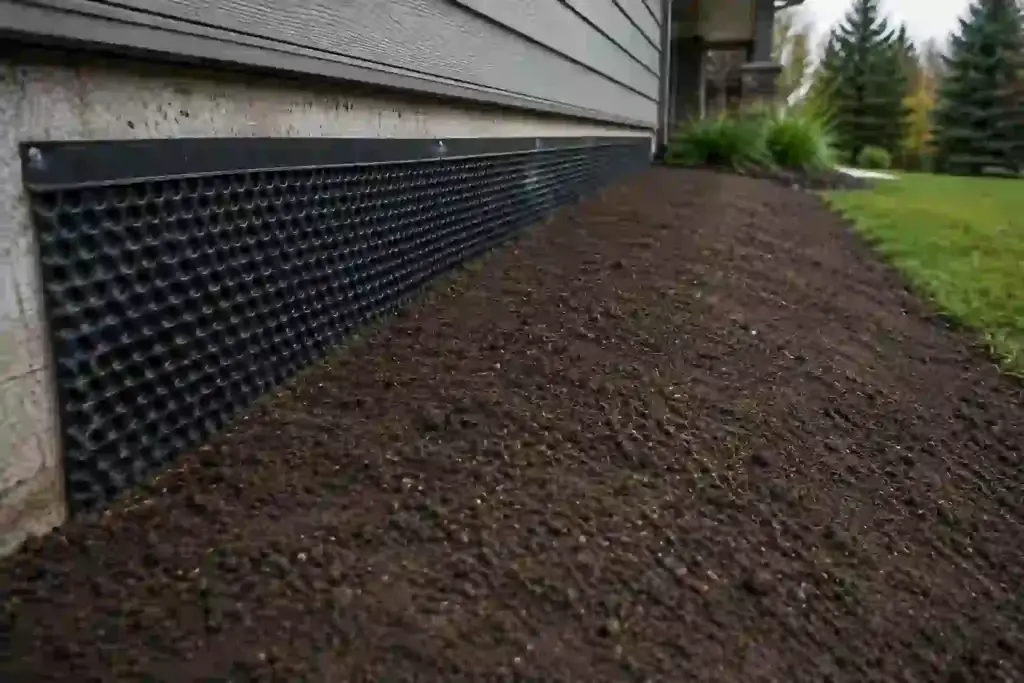
Final grading & restoration
Final grading helps direct surface water safely away from the foundation.
Engineered Foundation Protection
PROTECT YOUR FOUNDATION BEFORE SMALL LEAKS BECOME MAJOR DAMAGE
Ontario groundwater pressure, seasonal freeze-thaw cycles, and aging drainage systems can gradually turn minor seepage into larger structural moisture problems. Early waterproofing intervention helps protect your foundation, finished basement, indoor air quality, and long-term property stability.
- +1 (905)-259-4636
Signs your foundation needs waterproofing
Warning Signs should never be ignored
Water problems around your foundation rarely fix themselves. Recognizing these warning signs early can help prevent costly structural damage and interior water intrusion
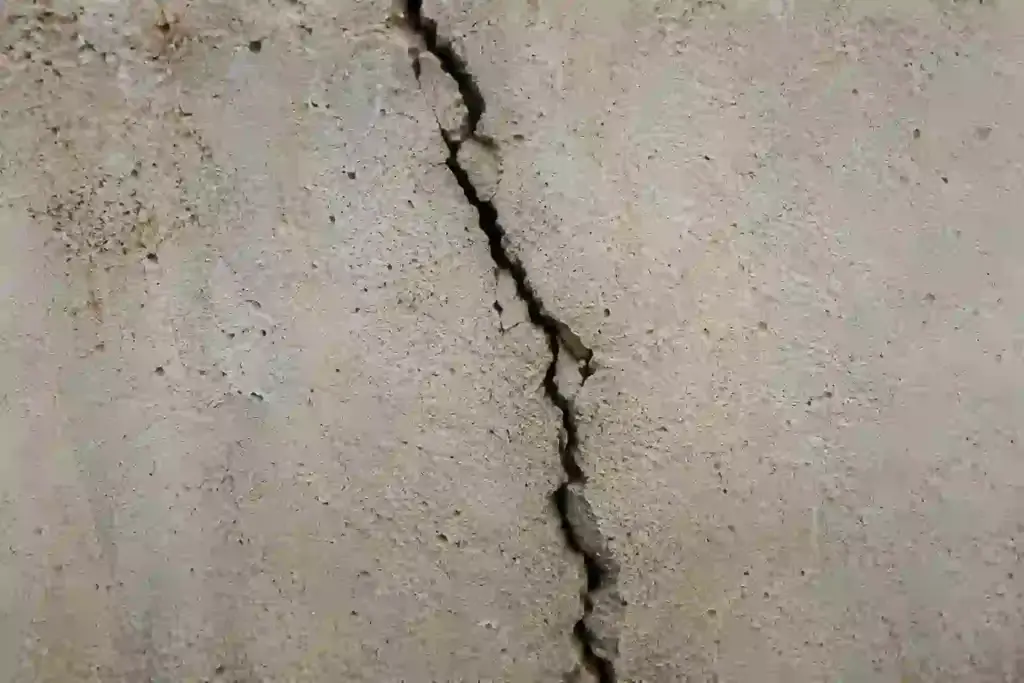
Basement Wall Cracks
Cracks in concrete walls allow water to seep through under pressure
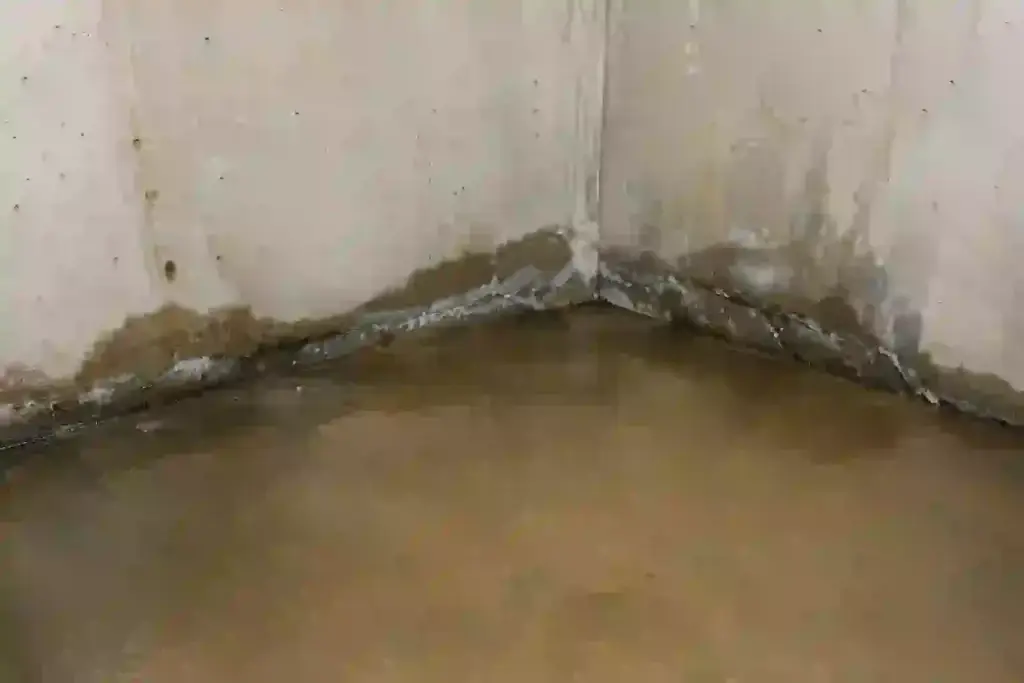
Musty basement odors
persistent musty smells indicate hidden moisture and mold growth
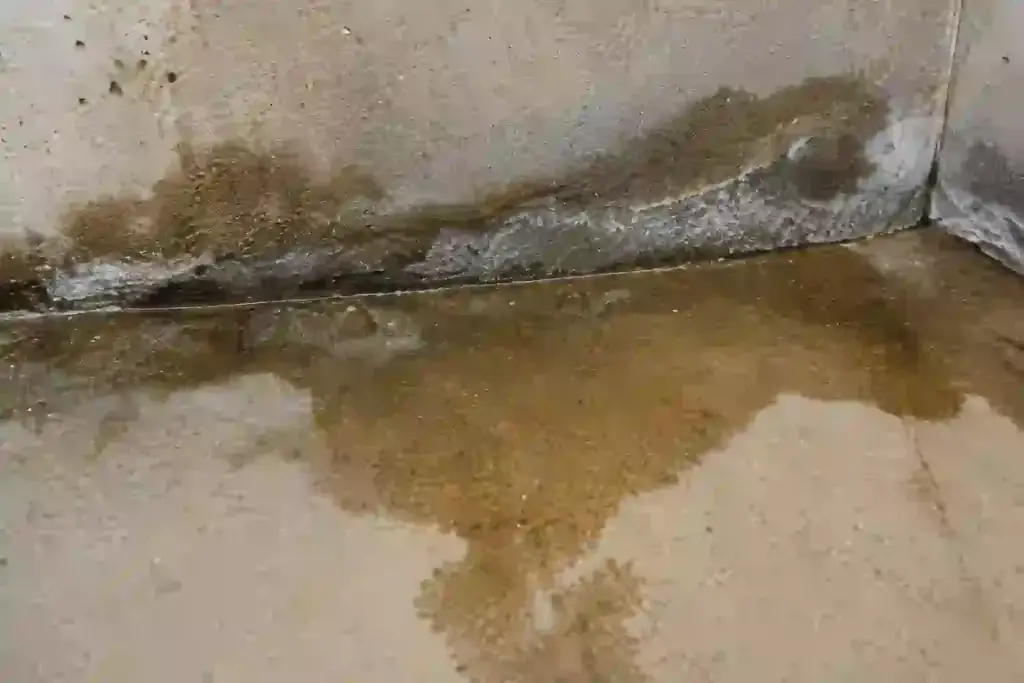
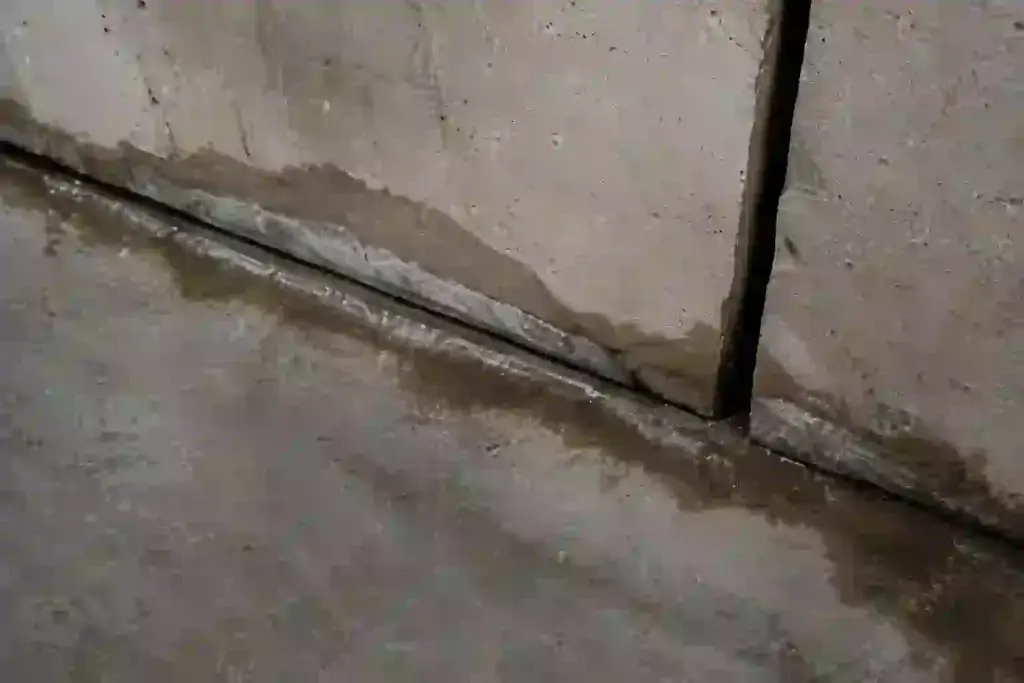
Water around cove joint
Water collecting where the wall meets the floor is a red flag
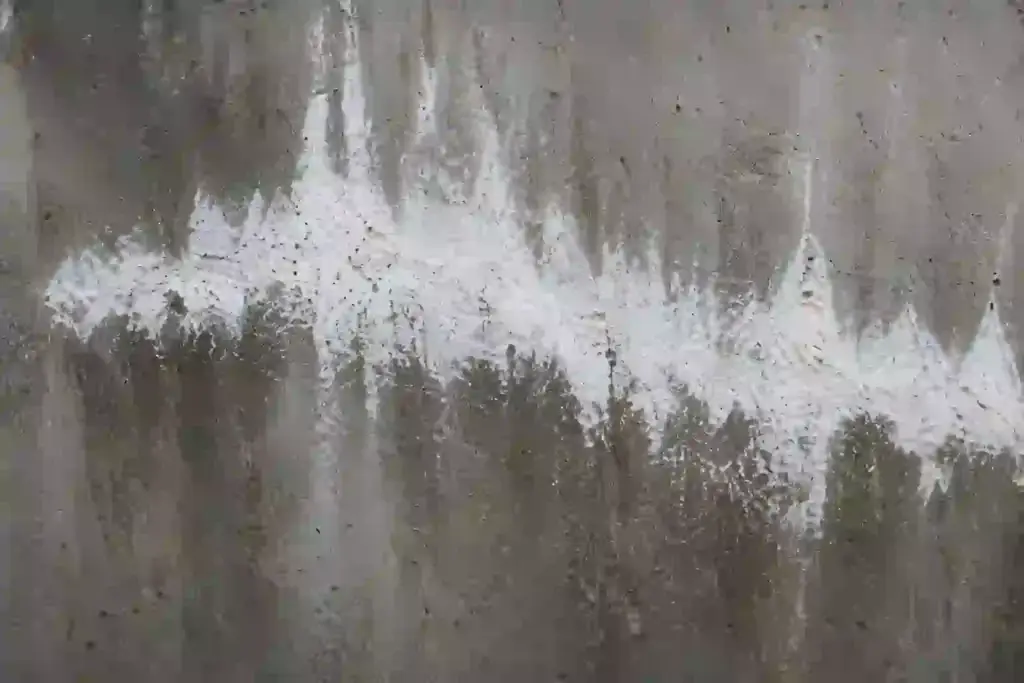
Efflorescence staining
White, powdery deposits on walls indicate water movement.
Bowing foundation walls
Walls that appear to be bowing or leaning may be under pressure
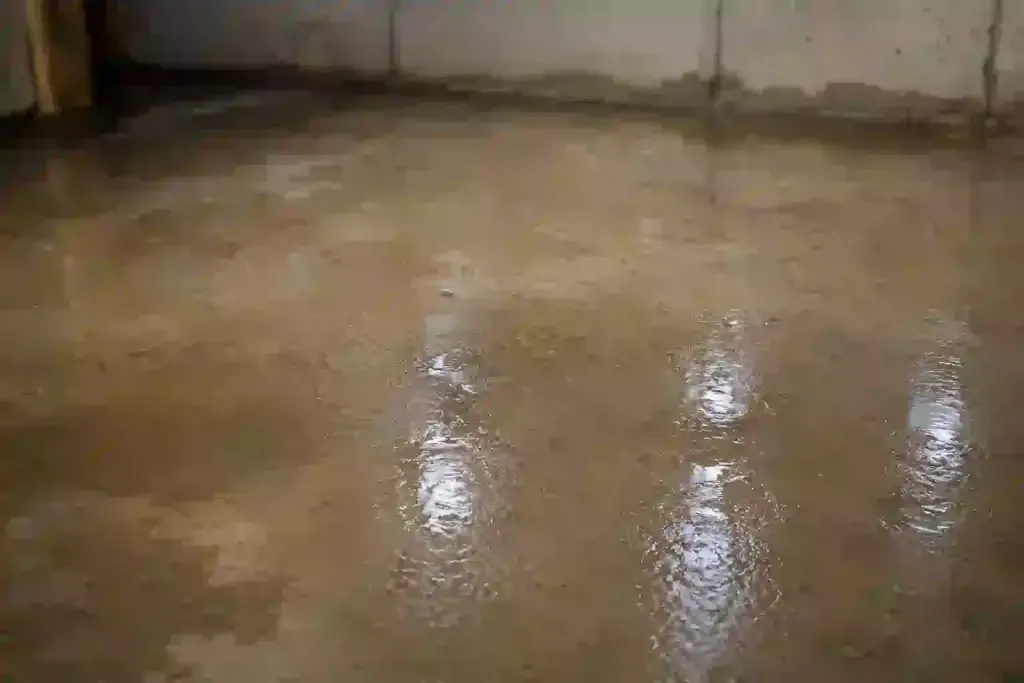
Wet Basement Floors
Standing water or damp floors are signs of a drainage problem.
Engineered Failure Analysis
Why Many Exterior Waterproofing Systems Fail Prematurely
Waterproofing is not just about applying a membrane. It’s about managing water, soil pressure, and long-term foundation performance. Most basement leaks occur because one or more critical component are missing or installed incorrection.
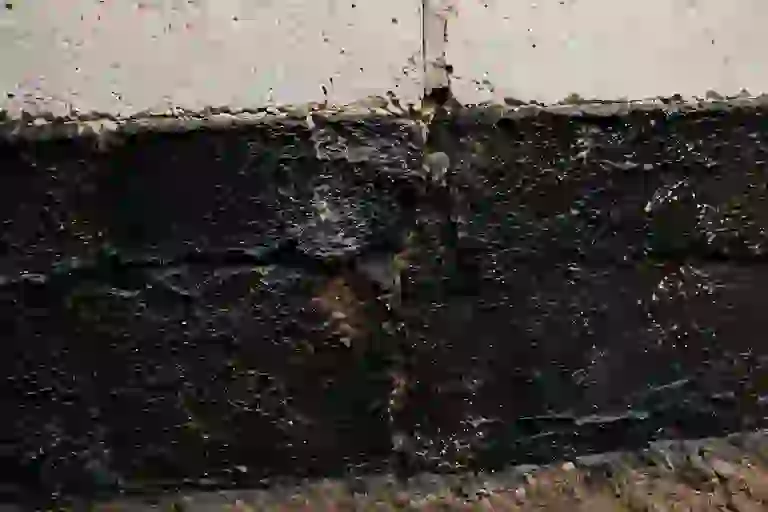
Tar-Only Damp Proofing
Older asphalt coatings deteriorate under soil pressure and ground water exposure, leading to cracking and failure.
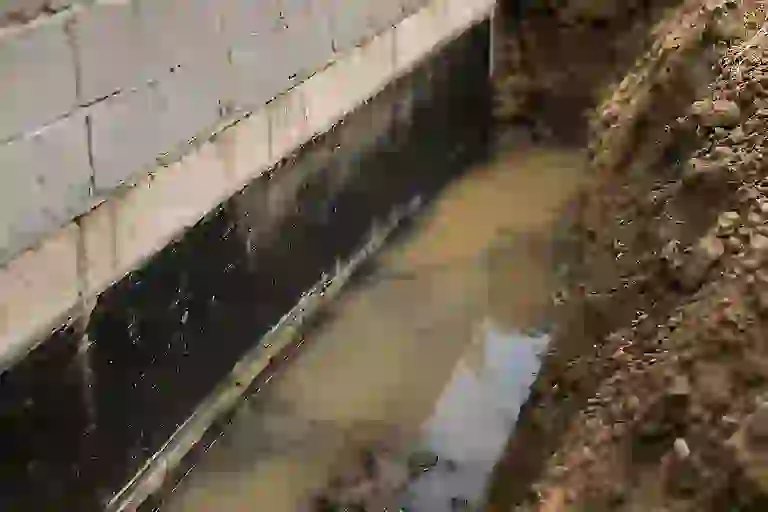
Missing Drainage Systems
Waterproofing without function footing drainage traps hydrostatic pressure against the wall.
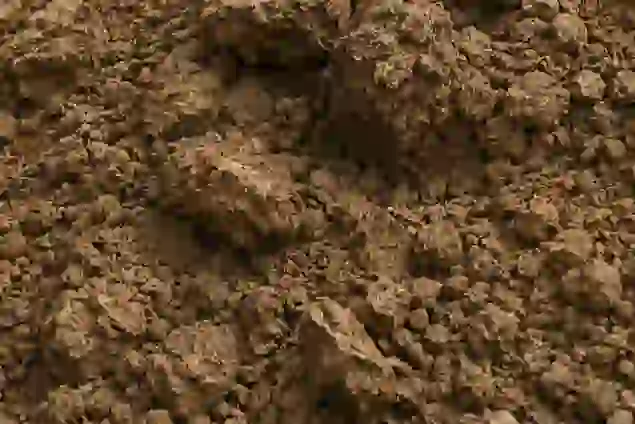
Improper Backfill
Clay-heavy backfill retains water and increases pressure against the membrane, reducing system life.
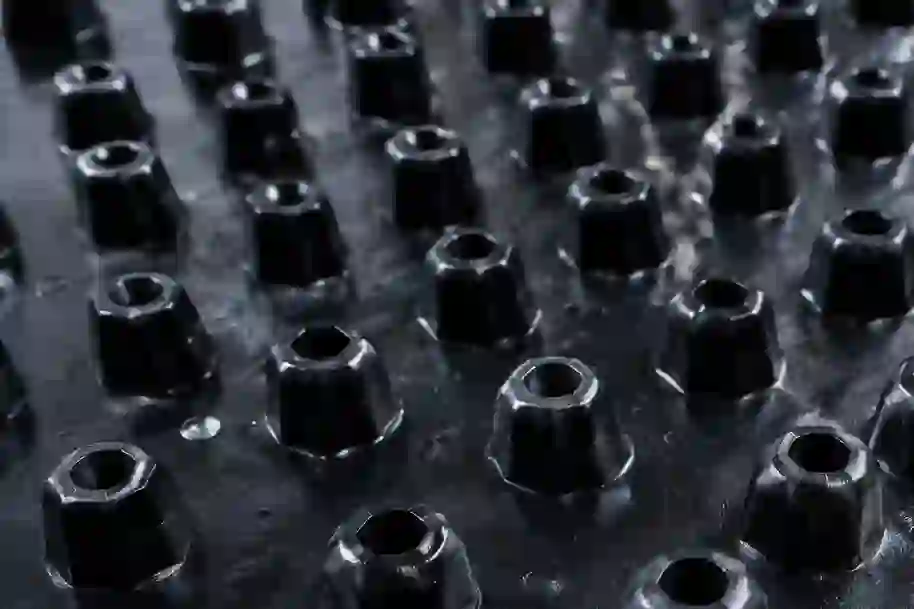
No HDPE Protection Layer
Without drainage board protection, membranes can become damaged during backfill or from stone impact.
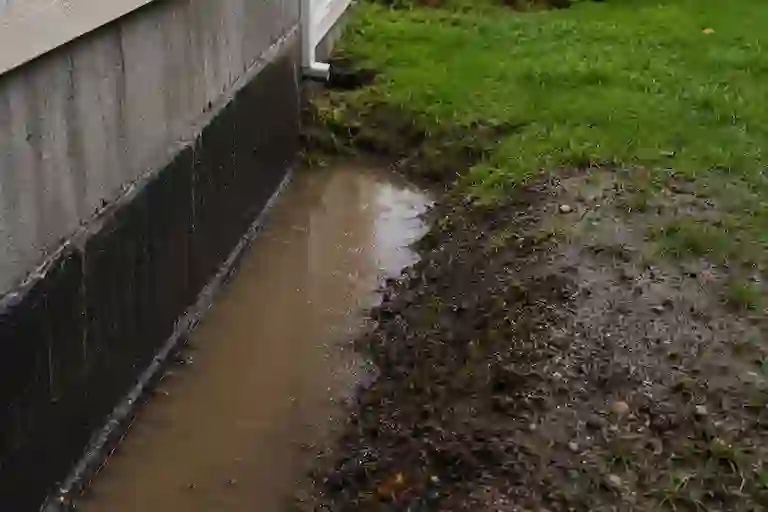
Poor Grading
Surface water accumulation near the foundation increases saturation and hydrostatic pressure.
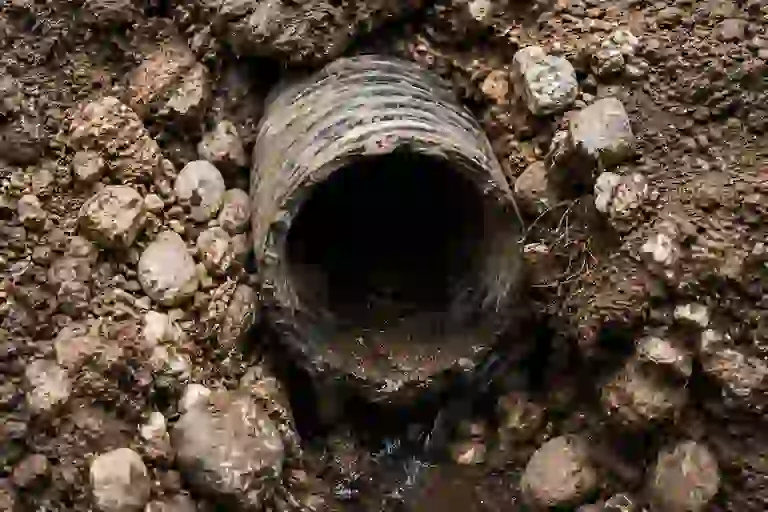
Aging or Clogged Weeping Tile
Collapsed or clogged footing drains restrict groundwater discharge, causing water to build up around the footing.
The Bottom Line: Exterior waterproofing is a system. When any compont fails, water will find its way in. Proper design, installation, and drainage are the only long-term solution.
Ontario Exterior Waterproofing FAQ
Frequently Asked Questions
Homeowners across Ontario have questions about exterior basement waterproofing, foundation protection, and managing ground water. Here are answers to the most common questions we receive.
Technical Questions
How long does exterior waterproofing last?
When installed correctly with quality materials and proper drainage, exterior waterproofing systems can last 25-40 years or more. Membrane life depends on soil conditions, drainage performance, and long-term maintenance
What is the difference between damp proofing and waterproofing?
Damp proofing is a basic moisture-resistant coating designed to slow moisture penetration, while true exterior waterproofing is a complete system engineered to stop water intrusion under hydrostatic pressure. Modern waterproofing systems typically include foundation preparation, rubberized waterproof membranes, HDPE protection layers, drainage board systems, and properly functioning weeping tile.
Does exterior waterproofing require excavation?
Yes. Exterior basement waterproofing requires excavation down to the footing level so the exterior foundation wall and drainage system can be fully accessed, repaired, and waterproofed properly. This allows damaged weeping tile, cracks, and failed waterproofing materials to be addressed at the source of the problem.
Can waterproofing stop hydrostatic pressure?
A properly designed exterior waterproofing system helps relieve and manage hydrostatic pressure by directing groundwater away from the foundation before it can build up against basement walls. Components such as weeping tile, clear drainage stone, drainage membranes, and grading improvements all work together to reduce water pressure around the home.
Is interior waterproofing enough?
Interior waterproofing systems can effectively manage water after it enters the foundation area, but they do not stop water from reaching the exterior wall itself. In many cases, exterior waterproofing is considered the most complete long-term solution because it addresses water intrusion before it penetrates the foundation structure.
What type of waterproofing membranes do you use?
Modern exterior waterproofing systems typically use rubberized asphalt or elastomeric waterproof membranes combined with high-density polyethylene (HDPE) protection layers or drainage membranes. These systems are designed to resist groundwater penetration, protect the membrane from backfill damage, and improve long-term drainage performance.
Do you replace weeping tile / footing drains?
Yes. During exterior waterproofing, aging or failed weeping tile systems are commonly replaced with modern perforated drainage pipe surrounded by clear drainage stone and filter protection. Proper footing drainage is critical for relieving hydrostatic pressure and directing groundwater safely away from the foundation.
What causes basment leaks in Ontario?
Ontario basement leaks are commonly caused by hydrostatic pressure, clay-heavy soils, freeze-thaw cycles, seasonal snow melt, aging weeping tile systems, poor exterior grading, foundation cracks, and deteriorating waterproofing materials. Southern Ontario’s changing weather conditions and groundwater fluctuations can place significant stress on residential foundation systems over time.
Regional Questions
Does freeze-thaw damage foundations?
Yes. Ontario’s freeze-thaw cycles cause the soil around foundations to repeatedly expand and contract as temperatures fluctuate throughout the year. Over time, this movement can contribute to foundation cracks, shifting soil pressure, drainage issues, and basement water intrusion.
Are clay soils common in southern ontario?
Yes. Many areas throughout Southern Ontario contain dense clay-heavy soils that retain large amounts of water. When saturated, clay soils expand and place additional lateral pressure against foundation walls, increasing the risk of cracks, water intrusion, and long-term structural stress.
Why do older Toronto homes leak more often?
Older Toronto homes often experience basement leaks due to aging weeping tile systems, deteriorating waterproofing materials, foundation settlement, older stone or block foundations, and decades of hydrostatic pressure exposure. Many older homes were originally built with damp proofing rather than modern waterproofing systems.
Does snow melt increase basement moisture?
Yes. Seasonal snow melt can heavily saturate the soil surrounding a foundation, especially during rapid temperature increases in late winter and early spring. This added groundwater pressure can increase the likelihood of basement moisture intrusion, seepage, and hydrostatic pressure buildup.
How does Ontario's climate affect foundations?
Ontario’s climate creates several challenges for residential foundations, including freeze-thaw cycles, seasonal snow melt, heavy rainfall, groundwater fluctuations, and clay soil expansion. These environmental conditions can contribute to foundation movement, hydrostatic pressure, drainage system stress, and long-term basement moisture problems.
What areas do you service in southern ontario?
We proudly provide exterior waterproofing and foundation waterproofing services throughout Southern Ontario, including Durham Region, the Greater Toronto Area (GTA), Halton Region, Hamilton Region, Niagara Region, Northumberland County, Peel Region, Simcoe County, Waterloo Region, Wellington County, and York Region.
Still have questions?
Our waterproofing specialists are here to help assess your foundation and recommend the right solution.
Cost & Logistics
How long does excavation take?
Most exterior waterproofing excavation projects are completed within several days depending on the size of the home, soil conditions, accessibility, weather, and the extent of foundation repairs required. Larger projects involving drainage replacement, crack repair, or difficult excavation access may require additional time.
Will my landscaping be restored?
Yes. After exterior waterproofing is completed, the excavated areas are typically backfilled and the affected landscaping areas are restored as part of the project. Restoration may include grading, soil replacement, gravel installation, and reinstallation of removed surfaces depending on the scope of work.
How much does exterior waterproofing cost?
Exterior waterproofing costs can vary depending on the depth of excavation, foundation condition, accessibility, drainage replacement requirements, and the total linear footage being waterproofed. Homes with difficult access, deep foundations, or extensive structural repairs may require additional work compared to standard waterproofing projects.
Will exterior waterproofing increase my home's value?
Professional exterior waterproofing can help protect the long-term structural integrity of a home while reducing the risk of future basement moisture issues. A dry, properly protected foundation is often viewed as a valuable improvement by homeowners and prospective buyers alike.
Can waterproofing be done in the winter?
In some cases, exterior waterproofing can still be performed during winter conditions depending on temperature, frost depth, soil conditions, and site accessibility. However, severe freezing conditions, heavy snowfall, or frozen ground can make excavation more difficult and may affect scheduling.
Do I need a permit for exterior waterproofing?
Permit requirements can vary depending on the municipality and the scope of work being performed. Standard exterior waterproofing projects may not always require permits, but structural repairs, underpinning, major drainage modifications, or excavation near property boundaries may require municipal approval.
Ontario Basement Waterproofing
Local Waterproofing Solutions Across Ontario
Foundation leaks are affected by soil conditions, water table levels, grading, hydrostatic pressure, freeze-thaw cycles, and the age of the home. Vanguard Waterproofing provides region-specific basement waterproofing solutions designed for Ontario homes.
Local Soil & Drainage Expertise
Every region has unique soil types and water table levels. We tailor our solutions to local conditions.
Interior & Exterior Solutions
From interior waterproofing to exterior excavation and foundation sealing, we’ve got you covered.
Dedicated City Pages
Explore your city to learn more about local waterproofing challenges and solutions
Durham Region
Cities throughout Durham Region experience clay-heavy soil conditions, groundwater pressure, aging drainage infrastructure, and seasonal freeze-thaw challenges that can contribute to basement moisture problems and foundation leaks.
Ajax
Clay-heavy soil, seasonal freeze-thaw cycles, and poor drainage conditions can increase basement waterproofing issues in Ajax homes.
Coming soon →
Brock
Rural grading, high groundwater areas, and seasonal soil movement can contribute to foundation moisture problems in Brock properties.
Coming soon →
Clarington
Expanding soil conditions, heavy rainfall, and freeze-thaw cycles can increase foundation leak risks in Clarington homes.
Coming soon →
Oshawa
Clay soil, older foundations, and aging drainage infrastructure can contribute to basement moisture issues in Oshawa properties.
Coming soon →
Pickering
Poor exterior drainage, groundwater pressure, and freeze-thaw cycles can increase basement waterproofing issues in Pickering homes.
Coming soon →
Scugog
Rural drainage conditions, elevated groundwater, and seasonal soil movement can increase foundation leak risks in Scugog properties.
Coming soon →
Uxbridge
Sloped grading, groundwater movement, and freeze-thaw cycles can contribute to basement moisture risks in Uxbridge homes.
Coming soon →
Whitby
Changing groundwater levels, drainage issues, and seasonal freeze-thaw cycles can contribute to basement moisture problems in Whitby homes.
Coming soon →
GTA (Greater Toronto Area)
Cities in the Greater Toronto Area experience a variety of soil conditions, aging infrastructure, and seasonal weather challenges.
Ajax
Clay-heavy soil, seasonal freeze-thaw cycles, and poor drainage conditions can increase basement waterproofing issues in Ajax homes.
Coming soon →
Aurora
Older foundations and fluctuating groundwater conditions can contribute to moisture intrusion problems in Aurora properties.
Coming soon →
Brampton
Expanding clay soil and heavy seasonal rainfall can place pressure against Brampton basement foundations.
Coming soon →
Burlington
Changing groundwater levels and aging foundation systems can increase basement moisture problems in Burlington homes.
Coming soon →
Caledon
Rural grading conditions and seasonal soil movement can contribute to foundation moisture issues in Caledon properties.
Coming soon →
Clarington
Heavy rainfall, expanding soil conditions, and seasonal freeze-thaw cycles can increase basement waterproofing issues in Clarington homes.
Coming soon →
East Gwillimbury
Changing groundwater conditions and expanding soil can contribute to basement moisture problems in East Gwillimbury properties.
Coming soon →
Georgina
High groundwater levels and seasonal weather conditions can increase the risk of basement water intrusion in Georgina homes.
Coming soon →
Halton Hills
Drainage challenges, sloped grading conditions, and seasonal foundation movement can contribute to basement moisture issues in Halton Hills homes.
Coming soon →
King
Expanding soil conditions and fluctuating groundwater levels can increase hydrostatic pressure around King foundations.
Coming soon →
Markham
Dense urban development, clay-heavy soil, and seasonal freeze-thaw conditions can contribute to basement waterproofing issues in Markham homes.
Coming soon →
Milton
Rapid residential expansion, grading changes, and clay-heavy soil conditions can increase basement leak risks in Milton properties.
Coming soon →
Mississauga
Groundwater pressure, aging drainage systems, and seasonal weather conditions can contribute to basement moisture problems in Mississauga homes.
Coming soon →
Newmarket
Seasonal moisture changes and shifting soil conditions can place stress on Newmarket foundations over time.
Coming soon →
Oakville
Changing groundwater levels, older foundation systems, and seasonal weather patterns can increase basement leak risks in Oakville homes.
Coming soon →
Oshawa
Clay soil, heavy rainfall, and aging infrastructure can contribute to basement moisture issues in Oshawa properties.
Coming soon →
Pickering
Poor drainage conditions and fluctuating groundwater levels can increase basement waterproofing issues in Pickering homes.
Coming soon →
Richmond Hill
Expanding soil conditions and elevated hydrostatic pressure can contribute to foundation moisture problems in Richmond Hill homes.
Coming soon →
Scugog
Rural drainage conditions and seasonal soil movement can increase foundation leak risks in Scugog properties.
Coming soon →
Toronto
Older foundations, dense infrastructure, and fluctuating groundwater conditions can contribute to basement leaks in Toronto homes.
Coming soon →
Uxbridge
Groundwater movement, grading conditions, and freeze-thaw cycles can increase basement moisture risks in Uxbridge homes.
Coming soon →
Vaughan
Clay-heavy soil, rapid expansion, and seasonal rainfall can increase hydrostatic pressure around Vaughan foundations.
Coming soon →
Whitby
Changing groundwater conditions and drainage issues can contribute to basement moisture problems in Whitby homes.
Coming soon →
Whitchurch-Stouffville
Shifting soil conditions and seasonal moisture changes can increase foundation stress in Whitchurch-Stouffville homes.
Coming soon →
Halton Region
Cities throughout Halton Region experience changing groundwater conditions, clay-heavy soil areas, grading challenges, and seasonal freeze-thaw cycles that can contribute to basement moisture problems and foundation leaks.
Burlington
Changing groundwater levels and aging foundation systems can increase basement moisture problems in Burlington homes.
Coming soon →
Halton Hills
Sloped grading conditions, seasonal soil movement, and drainage challenges can contribute to foundation moisture issues in Halton Hills homes.
Coming soon →
Milton
Rapid residential expansion, clay-heavy soil conditions, and grading changes can increase basement waterproofing risks in Milton properties.
Coming soon →
Oakville
Fluctuating groundwater levels, older drainage systems, and freeze-thaw cycles can contribute to basement moisture problems in Oakville homes.
Coming soon →
Hamilton & Niagara Region
Cities throughout Halton Region experience changing groundwater conditions, clay-heavy soil areas, and seasonal weather patterns that can contribute to basement moisture problems and foundation leaks.
Ancaster
Sloped grading, older foundations, and seasonal groundwater movement can contribute to basement moisture issues in Ancaster homes.
Coming soon →
Dundas
Valley terrain, drainage challenges, and freeze-thaw cycles can increase foundation leak risks in Dundas properties.
Coming soon →
Flamborough
Rural grading, changing water table levels, and seasonal soil movement can contribute to basement waterproofing issues in Flamborough homes.
Coming soon →
Glanbrook
Clay soil conditions, grading changes, and seasonal moisture movement can increase basement leak risks in Glanbrook properties.
Coming soon →
Hamilton
Older foundations, urban drainage pressure, and freeze-thaw cycles can contribute to basement moisture problems in Hamilton homes.
Coming soon →
Stoney Creek
Lake-effect moisture, sloped grading, and groundwater pressure can increase foundation leak risks in Stoney Creek homes.
Coming soon →
Northumberland County
Communities throughout Northumberland County experience changing groundwater levels, rural drainage challenges, seasonal freeze-thaw cycles, and shifting soil conditions that can contribute to basement moisture problems and foundation leaks.
Alnwick/Haldimand
Changing groundwater conditions, rural drainage challenges, and seasonal soil movement can contribute to foundation moisture problems in Alnwick/Haldimand homes.
Coming soon →
Brighton
High groundwater levels, seasonal moisture changes, and freeze-thaw cycles can increase basement leak risks in Brighton properties.
Coming soon →
Cobourg
Older foundations, fluctuating groundwater conditions, and seasonal weather patterns can contribute to basement moisture problems in Cobourg homes.
Coming soon →
Cramahe
Rural grading conditions, shifting soil movement, and changing water table levels can contribute to foundation leak risks in Cramahe properties.
Coming soon →
Hamilton Township
Seasonal moisture movement, rural drainage conditions, and groundwater pressure can increase basement waterproofing issues in Hamilton Township homes.
Coming soon →
Port Hope
Older foundation systems, fluctuating groundwater levels, and freeze-thaw cycles can contribute to basement moisture problems in Port Hope homes.
Coming soon →
Trent Hills
Rural drainage challenges, seasonal soil movement, and elevated groundwater conditions can increase foundation leak risks in Trent Hills properties.
Coming soon →
Peel Region
Cities throughout Peel Region experience clay-heavy soil conditions, rapid urban development, aging drainage infrastructure, and seasonal freeze-thaw cycles that can contribute to basement moisture problems and foundation leaks.
Brampton
Clay-heavy soil, dense residential development, and seasonal rainfall can increase hydrostatic pressure around Brampton foundations.
Coming soon →
Caledon
Rural grading conditions, seasonal soil movement, and fluctuating groundwater levels can contribute to foundation moisture problems in Caledon properties.
Coming soon →
Mississauga
Groundwater pressure, aging drainage systems, and seasonal weather conditions can contribute to basement moisture issues in Mississauga homes.
Coming soon →
Simcoe County
Cities and communities throughout Simcoe County experience changing groundwater conditions, seasonal freeze-thaw cycles, rural drainage challenges, and shifting soil conditions that can contribute to basement moisture problems and foundation leaks.
Adjala-Tosorontio
Rural drainage conditions, seasonal soil movement, and fluctuating groundwater levels can contribute to foundation moisture problems in Adjala-Tosorontio homes.
Coming soon →
Barrie
Older foundations, changing groundwater conditions, and seasonal freeze-thaw cycles can contribute to basement moisture problems in Barrie homes.
Coming soon →
Bradford West Gwillimbury
Expanding residential development, clay-heavy soil, and seasonal rainfall can increase basement leak risks in Bradford West Gwillimbury properties.
Coming soon →
Clearview
Changing groundwater conditions and seasonal freeze-thaw cycles can contribute to basement moisture issues in Clearview homes.
Coming soon →
Collingwood
Freeze-thaw cycles, elevated groundwater levels, and seasonal moisture conditions can increase foundation leak risks in Collingwood properties.
Coming soon →
Essa
Shifting soil conditions and rural drainage challenges can contribute to basement waterproofing issues in Essa homes.
Coming soon →
Innisfil
Changing water table levels, seasonal rainfall, and expanding soil conditions can increase basement moisture problems in Innisfil homes.
Coming soon →
Midland
Elevated groundwater levels, aging foundations, and seasonal weather conditions can contribute to basement leak risks in Midland properties.
Coming soon →
New Tecumseth
Clay-heavy soil, rapid residential growth, and seasonal moisture movement can contribute to foundation moisture problems in New Tecumseth homes.
Coming soon →
Oro-Medonte
Rural grading conditions, groundwater movement, and freeze-thaw cycles can increase basement waterproofing risks in Oro-Medonte properties.
Coming soon →
Penetanguishene
High groundwater conditions and seasonal moisture changes can contribute to basement leak risks in Penetanguishene homes.
Coming soon →
Ramara
Seasonal water accumulation, shifting soil conditions, and rural drainage challenges can increase foundation moisture problems in Ramara properties.
Coming soon →
Severn
Changing groundwater levels and seasonal freeze-thaw cycles can contribute to basement waterproofing issues in Severn homes.
Coming soon →
Springwater
Rural grading conditions, seasonal soil movement, and fluctuating groundwater levels can increase foundation leak risks in Springwater properties.
Coming soon →
Tay
Elevated groundwater conditions and seasonal weather changes can contribute to basement moisture problems in Tay homes.
Coming soon →
Tiny
Groundwater movement, seasonal rainfall, and rural drainage conditions can increase foundation leak risks in Tiny properties.
Coming soon →
Wasaga Beach
High water table levels, sandy soil conditions, and seasonal moisture changes can contribute to basement waterproofing issues in Wasaga Beach homes.
Coming soon →
Waterloo Region
Cities throughout Waterloo Region experience changing groundwater conditions, clay-heavy soil areas, seasonal freeze-thaw cycles, and rapid urban development that can contribute to basement moisture problems and foundation leaks.
Cambridge
Changing groundwater levels, older foundation systems, and seasonal freeze-thaw cycles can contribute to basement waterproofing issues in Cambridge homes.
Coming soon →
Kitchener
Clay soil conditions, aging drainage infrastructure, and seasonal moisture changes can increase basement leak risks in Kitchener properties.
Coming soon →
North Dumfries
Rural drainage conditions, shifting soil movement, and fluctuating groundwater levels can contribute to foundation moisture problems in North Dumfries homes.
Coming soon →
Waterloo
Urban development, groundwater pressure, and seasonal freeze-thaw conditions can contribute to basement moisture issues in Waterloo properties.
Coming soon →
Wellesley
Rural grading conditions, seasonal soil movement, and elevated groundwater levels can increase foundation leak risks in Wellesley homes.
Coming soon →
Wilmot
Changing groundwater conditions and rural drainage challenges can contribute to basement waterproofing problems in Wilmot properties.
Coming soon →
Woolwich
Seasonal moisture changes, shifting soil conditions, and groundwater movement can increase foundation moisture risks in Woolwich homes.
Coming soon →
Wellington County
Changing groundwater conditions, seasonal moisture movement, and aging foundation systems can contribute to basement waterproofing issues in Centre Wellington homes.
Centre Wellington
Changing groundwater conditions, seasonal moisture movement, and aging foundation systems can contribute to basement waterproofing issues in Centre Wellington homes.
Coming soon →
Erin
Rural grading conditions, shifting soil movement, and seasonal drainage challenges can increase foundation moisture risks in Erin properties.
Coming soon →
Guelph/Eramosa
Groundwater movement, rural drainage conditions, and freeze-thaw cycles can contribute to basement leak risks in Guelph/Eramosa homes.
Coming soon →
Minto
Seasonal soil movement, changing water table levels, and rural drainage issues can contribute to foundation moisture problems in Minto properties.
Coming soon →
Puslinch
Elevated groundwater conditions, sloped grading, and seasonal moisture changes can increase basement waterproofing risks in Puslinch homes.
Coming soon →
Wellington North
Rural drainage challenges, freeze-thaw cycles, and shifting soil conditions can contribute to basement moisture issues in Wellington North properties.
Coming soon →
York Region
Cities throughout York Region experience expanding soil conditions, changing groundwater levels, rapid residential development, and seasonal freeze-thaw cycles that can contribute to basement moisture problems and foundation leaks.
Aurora
Older foundations and fluctuating groundwater conditions can contribute to moisture intrusion problems in Aurora properties.
Coming soon →
East Gwillimbury
Shifting soil conditions, elevated groundwater levels, and seasonal weather changes can increase foundation moisture risks in East Gwillimbury properties.
Coming soon →
Georgina
High groundwater levels, lake-effect moisture, and seasonal drainage conditions can contribute to basement leak risks in Georgina homes.
Coming soon →
King
Expanding soil conditions and fluctuating groundwater levels can increase hydrostatic pressure around King foundations.
Coming soon →
Markham
Clay-heavy soil, dense urban infrastructure, and freeze-thaw cycles can contribute to basement moisture problems in Markham homes.
Coming soon →
Newmarket
Seasonal moisture changes, aging drainage systems, and shifting soil conditions can place stress on Newmarket foundations over time.
Coming soon →
Richmond Hill
Expanding soil conditions and elevated hydrostatic pressure can contribute to foundation moisture problems in Richmond Hill homes.
Coming soon →
Vaughan
Clay-heavy soil, rapid development, and seasonal rainfall can increase hydrostatic pressure around Vaughan foundations.
Coming soon →
Whitchurch-Stouffville
Shifting soil conditions, rural drainage challenges, and seasonal moisture changes can increase foundation stress in Whitchurch-Stouffville homes.
Coming soon →
Ontario Exterior Basement Waterproofing You Can Trust
Protect your home from leaks, moisture, and costly foundation damage. Vanguard Waterproofing is veteran-owned and brings years of proven expertise to every project. For reliable basement waterproofing Ontario homeowners depend on, contact us today for a free inspection and lasting peace of mind.
- +1 905-259-4636
Get A Free Quote
Veteran Owned
Fully Licensed
Lifetime Warranty
Southern Ontario
Professional Systems