
WINDOW WELL & DRAINAGE SOLUTIONS IN ONTARIO
WINDOW WELL INSTALLATION & DRAINAGE IN ONTARIO
Professional window well and drainage systems designed to collect and redirect water away from basement windows. Installation, replacement, drainage improvements, and repairs for Ontario homes.
Window Well Installation
Window Well Replacement
Window Well Drainage
Window Well Repairs
ONTARIO WINDOW WELL DRAINAGE & WATER MANAGEMENT
Why Proper Window Well Drainage Matters

Heavy Rainfall
Intense rainfall can quickly fill poorly drained window wells, increasing the risk of water reaching the basement window.
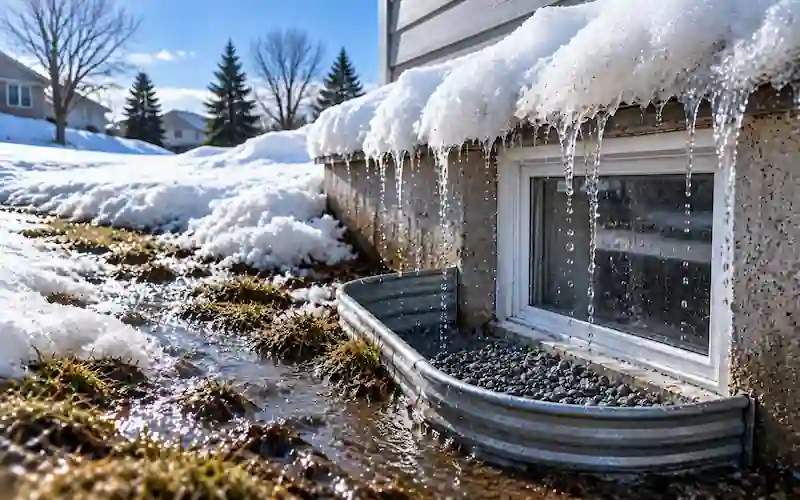
Spring Snowmelt
Melting snow can saturate surrounding soil and direct runoff toward window wells during Ontario’s spring thaw.
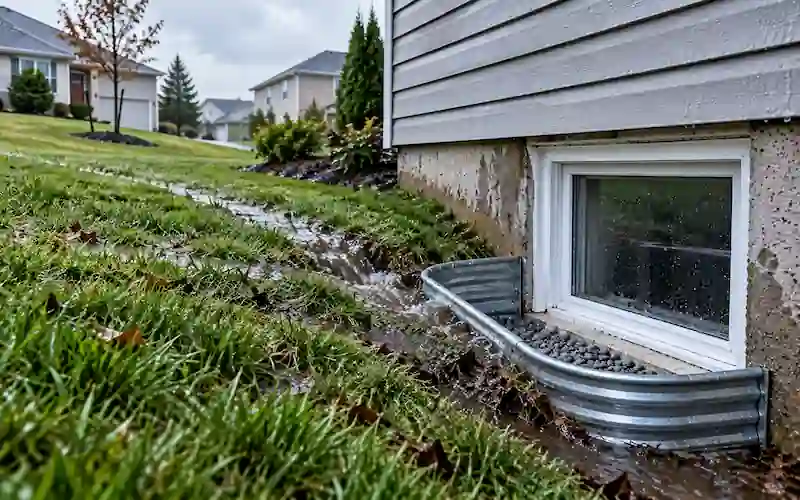
Poor Lot Grading
Ground sloping toward the foundation can direct surface runoff straight into the window well.
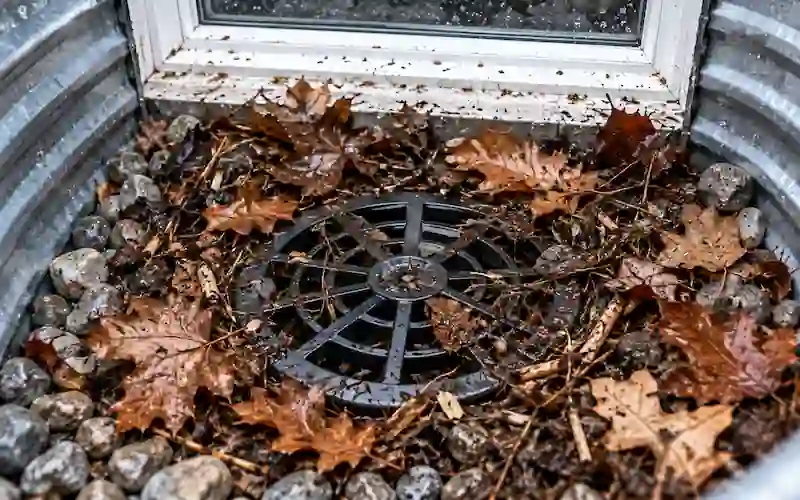
Clogged or Missing Drains
Leaves, sediment, debris, damaged drains, or missing drainage connections can allow water to accumulate inside the well.
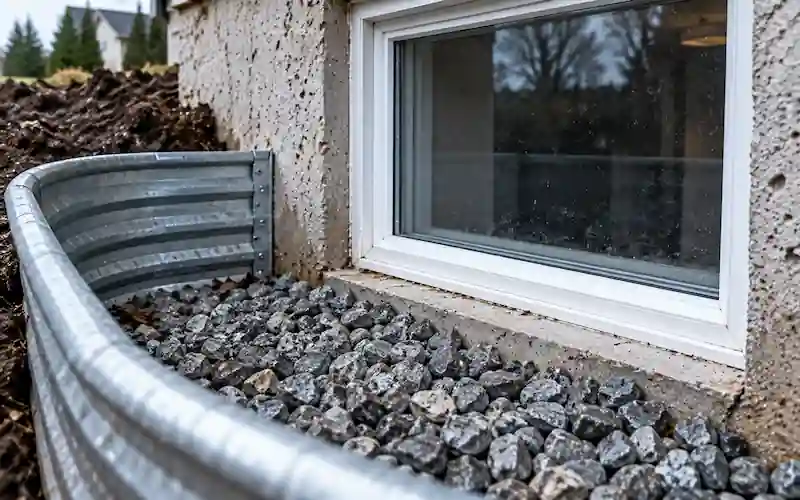
Improper Well Height & Depth
A poorly positioned window well can leave insufficient clearance and drainage capacity below the basement window opening.
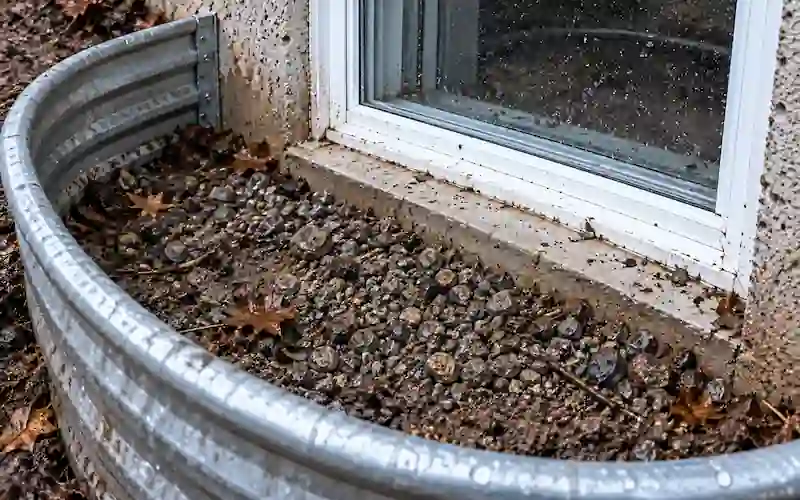
Insufficient Drainage Stone
Too little or contaminated drainage stone can restrict water movement and reduce drainage capacity around the window well drain.
ONTARIO WINDOW WELL CONDITIONS
WHEN THE STORM HITS, YOUR WINDOW WELL NEEDS TO BE READY
LOW-LYING PROPERTIES
Lower areas can collect runoff and experience greater water accumulation around basement window wells.
POOR LOT GRADING
Ground sloping toward your home directs rain and snowmelt toward the foundation.
AGING DRAINAGE SYSTEMS
Older drainage systems can clog, deteriorate, or lose capacity, increasing the risk of water accumulating around the foundation.
freeze-thaw cycles
Repeated freezing and thawing can shift soil, affect grading, and place stress on window wells and surrounding drainage.
SATURATED SOIL & GROUNDWATER
Prolonged rain and snowmelt can saturate surrounding soil and increase water pressure around the foundation.
Window Well & Drainage
A properly designed window well drain provides a controlled pathway for collected water to reach an appropriate drainage system.
A COMPLETE WINDOW WELL DRAINAGE SYSTEM
WHAT MAKES A WINDOW WELL DRAINAGE SYSTEM WORK?
A window well is more than a metal barrier around a basement window. Proper performance depends on the well, window clearance, drainage stone, drain connection, surrounding grading, and drainage destination working together to manage water around the opening.
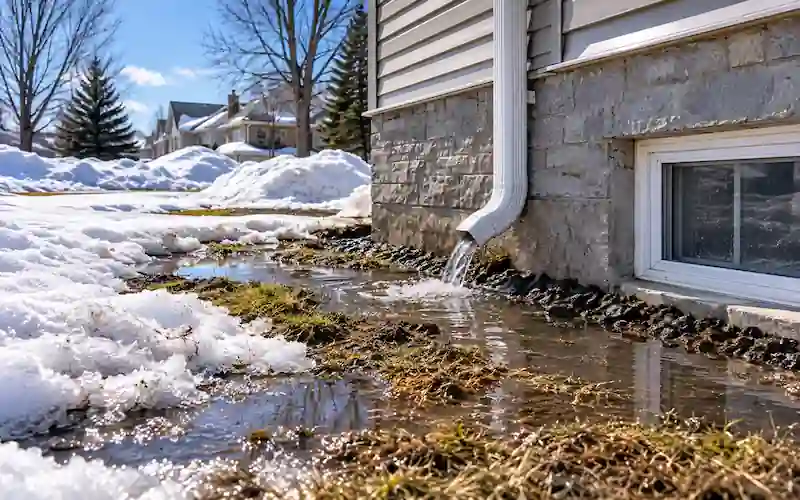
Proper Surface Grading
Ground should direct surface runoff away from the foundation rather than toward the window well.
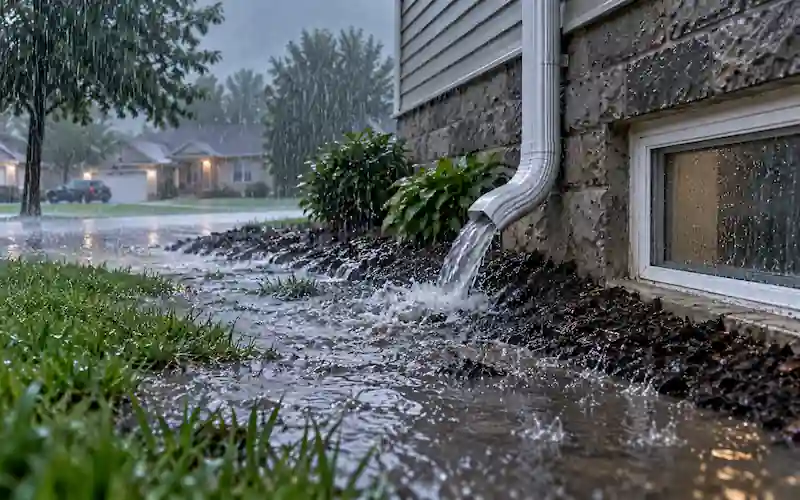
Secure Window Well
The well must be properly positioned and secured against the foundation while maintaining appropriate clearance around the window.
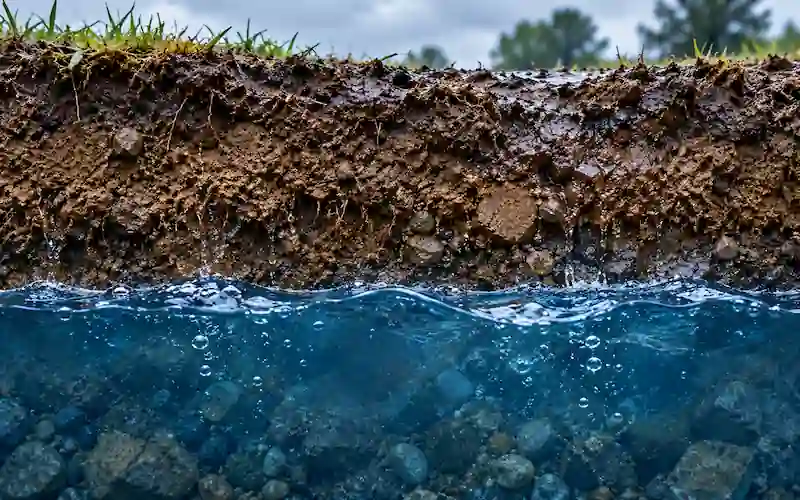
Washed Drainage Stone
Clean drainage stone allows water to move through the bottom of the well instead of accumulating against the basement window.
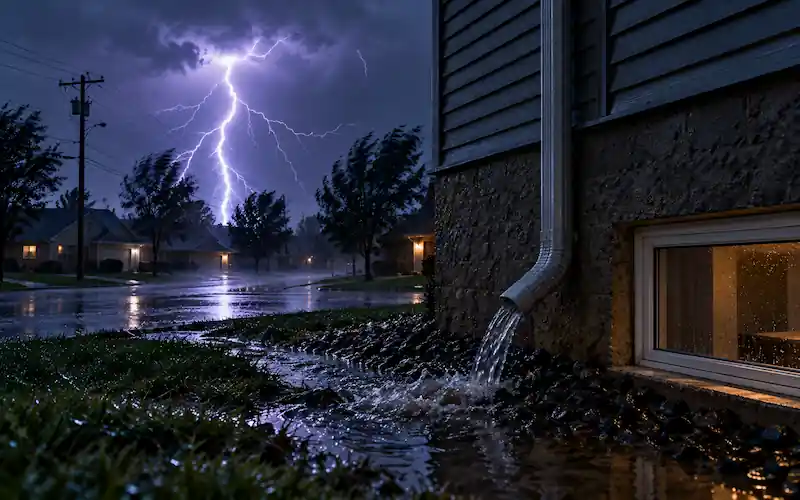
Window Well Drain
A properly installed drain collects water entering the well and provides a controlled drainage pathway.
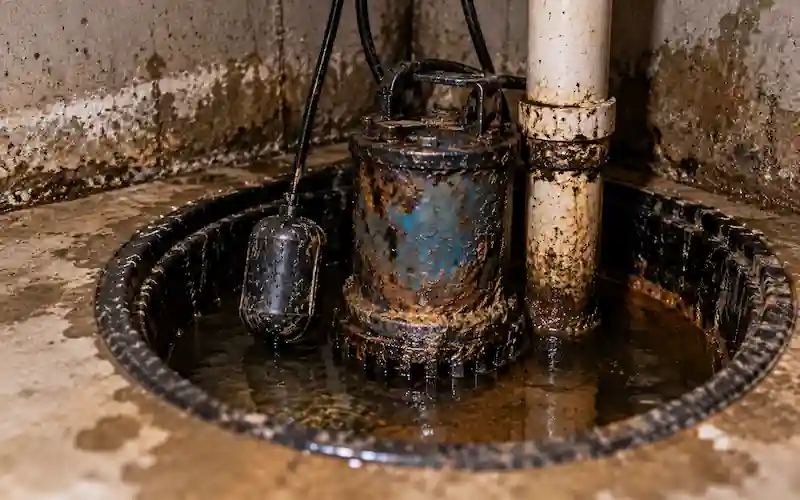
Drainage Connection
The drain must discharge to an appropriate drainage system or approved destination based on the property’s conditions.
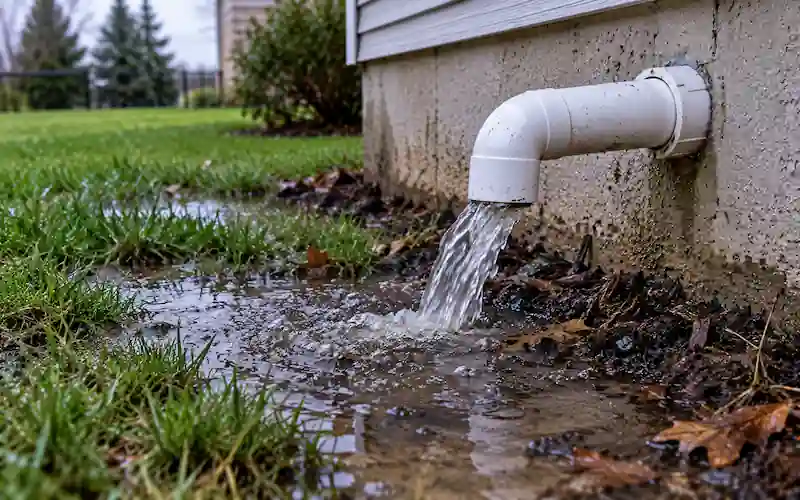
Proper Well Depth & Clearance
Adequate depth below the window opening provides drainage capacity and helps reduce the risk of accumulated water reaching the window.
DON'T WAIT FOR THE NEXT HEAVY RAIN
DON'T WAIT UNTIL YOUR WINDOW WELL FILLS WITH WATER
A poorly drained window well can collect runoff during heavy rainfall and spring snowmelt. Once water rises high enough to reach the basement window, even a small drainage problem can become a significant basement leak.
- +1 (905)-259-4636
Window Well Installation & Drainage Process
From Excavation to Controlled Drainage
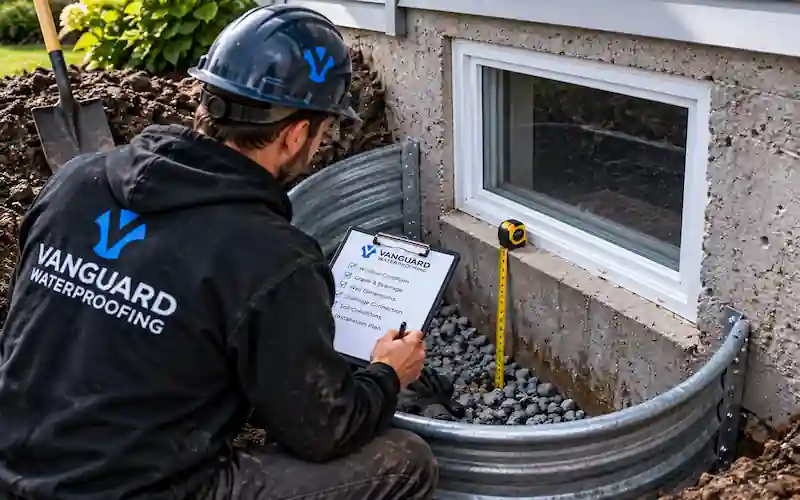
Assessment & Drainage Planning
We inspect the basement window, surrounding grade, existing well, drainage conditions, and foundation area to determine the appropriate installation or repair approach.
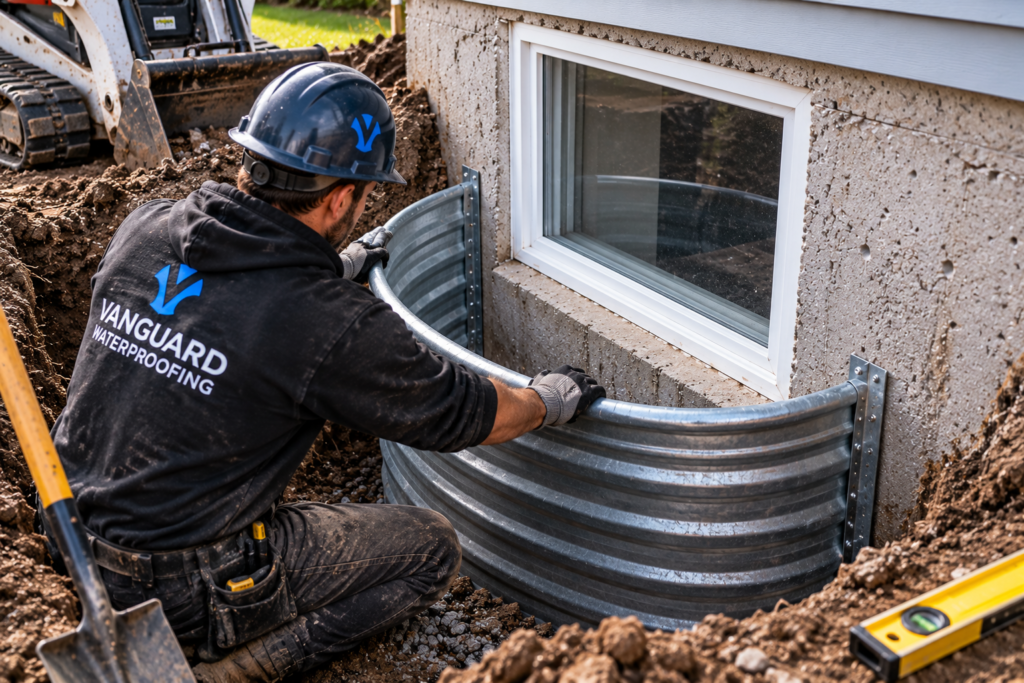
Excavation & Well Installation
The area around the window is carefully excavated and the window well is positioned and secured to the foundation with appropriate clearance below the window opening.
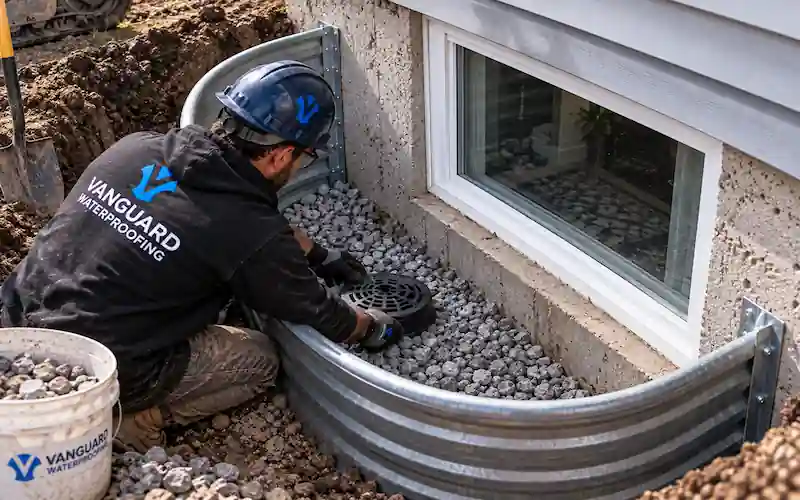
Drain & Drainage Stone
Where required, a window well drain is installed or restored and connected to an appropriate drainage system. Clean washed drainage stone is placed to promote water movement toward the drain.
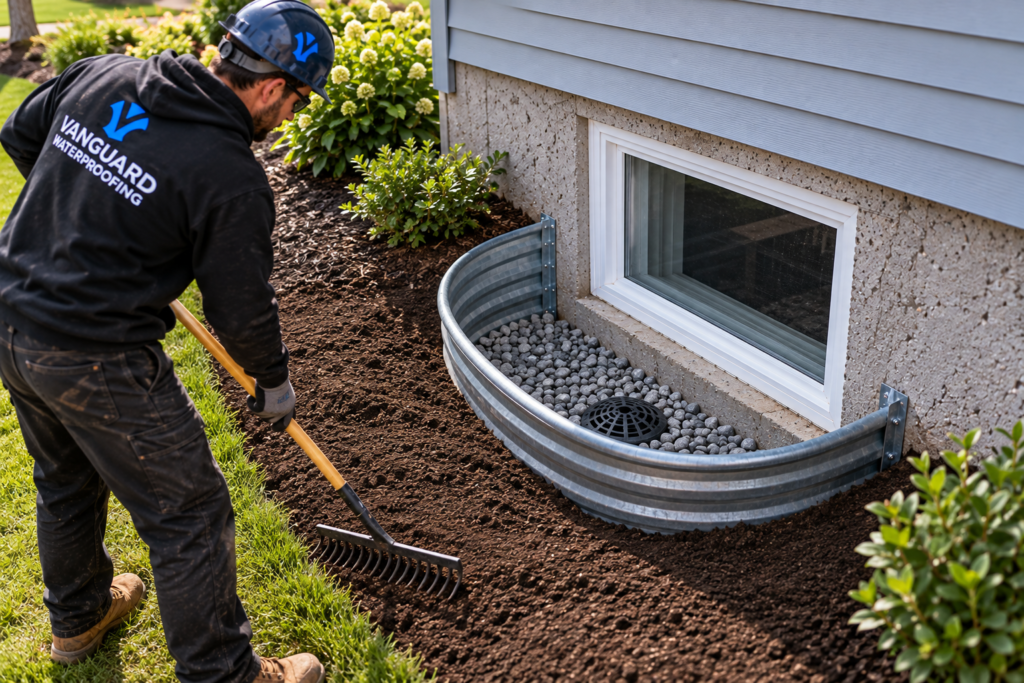
Grading, Testing & Cleanup
The finished installation is checked for drainage, clearance, stability, and surrounding grade. The work area is restored and the drainage pathway is reviewed before completion.
The Goal
Create a controlled pathway for water to move away from the basement window before it can acculmulate against the opening.
ONTARIO Window Well & Drain FAQ
Window Well & Drain QUESTIONS HOMEOWNERS ASK
Window wells help protect basement windows by holding back surrounding soil and providing a controlled area for water to drain. Proper well depth, drainage stone, grading, drain connections, and regular maintenance all affect how effectively the system performs. Below are answers to common questions Ontario homeowners ask about window well installation, drainage, repairs, replacement, and cost.
Technical Questions
How does a window well drain work?
A window well drain collects water that enters the well and directs it away from the basement window. Water moves through the drainage stone toward the drain, which should connect to an appropriate drainage system or approved discharge point. The exact configuration depends on the home’s existing drainage system and site conditions.
Does every window well need a drain?
Not every window well is constructed the same way, but drainage is especially important where water can accumulate around a below-grade window. The well, drainage stone, grading, soil conditions, and available drainage connection should be assessed together rather than assuming the metal well alone will provide protection.
Where does a window well drain connect?
Depending on the property and existing drainage system, a window well drain may connect to an appropriate foundation drainage system or another approved drainage destination. The correct connection should be determined based on the home’s construction, drainage layout, site conditions, and applicable requirements.
How deep should a window well be?
The required depth depends on the basement window elevation, surrounding grade, well dimensions, drainage design, and site conditions. The well should provide sufficient space below the window opening for drainage stone and water management rather than leaving the bottom of the well immediately against the window sill.
How far below the window should the bottom of the well be?
There should be adequate clearance between the basement window opening and the finished drainage-stone level so water has room to drain before reaching the window. The appropriate clearance depends on the installation and site conditions, so it should be determined during an assessment rather than relying on one measurement for every home.
What type of stone should be used in a window well?
Clean, washed drainage stone is generally used because the open spaces between the stones allow water to move toward the drain. Soil, fines, sediment, and contaminated stone can restrict water movement and reduce the drainage capacity of the well.
Why does my window well keep filling with water?
Common causes include poor grading, heavy rainfall, snowmelt, clogged or damaged drains, insufficient drainage stone, soil entering the well, or an inadequate drainage connection. Identifying where the water is coming from is important before deciding how the problem should be repaired.
Can a clogged window well drain be repaired?
Often, yes. The drain should first be inspected to determine whether the problem is surface debris, sediment, a damaged drain, a blocked connection, or another drainage issue. Cleaning the visible grate alone may not solve a blockage deeper within the system.
When should a window well be replaced?
Replacement may be appropriate when a well is badly corroded, damaged, loose, improperly sized, poorly positioned, separating from the foundation, or no longer providing adequate protection around the basement window. Drainage conditions should also be evaluated when replacing the well.
Can you repair an existing window well drainage system?
In many cases, yes. Existing systems may be improved by correcting drainage stone, clearing or repairing drains, adjusting grading, replacing damaged components, or rebuilding portions of the well. An inspection helps determine whether repair or complete replacement makes more sense.
Drainage Questions
Why do window wells leak during heavy rain?
Heavy rainfall can send large volumes of water toward the foundation in a short period. If grading directs runoff toward the well or the drainage system cannot remove water quickly enough, water can accumulate until it reaches vulnerable areas around the basement window.
Can spring snowmelt cause window wells to flood?
Yes. Rapid snowmelt can saturate soil and create significant surface runoff around Ontario homes. Snow piled near the foundation can also melt directly toward window wells, increasing the amount of water the drainage system must manage.
How does poor grading affect a window well?
Ground that slopes toward the house can direct rainwater and melting snow toward the foundation instead of away from it. A window well located in that drainage path can receive considerably more water, increasing the chance of accumulation and basement leakage.
Can freeze-thaw cycles affect window wells?
Repeated freezing and thawing can contribute to soil movement around foundations and window wells. Over time, movement may affect surrounding grades, well positioning, drainage stone, or connections. Seasonal inspection can help identify changes before they develop into larger drainage problems.
Why does soil keep entering my window well?
Soil can enter through gaps around the sides of an improperly secured well, erosion from surrounding grades, runoff, or deterioration around the installation. Continued soil intrusion can contaminate drainage stone and eventually interfere with drainage.
Can groundwater cause a window well to fill with water?
Depending on site conditions, elevated groundwater or saturated soil can contribute to water entering a window well from below or around the surrounding drainage area. If water repeatedly appears without obvious surface runoff, the broader foundation drainage conditions should be assessed.
Should window wells be covered?
A properly fitted cover can help reduce leaves, debris, snow, and some surface water from entering a window well. However, a cover should not be treated as a substitute for proper grading, drainage stone, drain connections, or a correctly installed well.
Still have questions?
Every foundation is different. Our waterproofing specialists can assess the source of water intrusion, identify contributing factors, and recommend the most effective long-term solution for your home.
Cost & Logistics
How much does window well installation cost in Ontario?
Cost depends on the size and depth of the well, excavation requirements, drainage connection, foundation conditions, accessibility, materials, grading work, and whether an existing system must be removed. A site assessment is the best way to determine the appropriate scope and price.
How much does window well replacement cost?
Replacement cost varies depending on the existing well, excavation required, new well dimensions, drainage conditions, accessibility, and whether the existing drain and drainage stone can be reused or need improvement. Replacing the metal well alone may not correct an underlying drainage problem.
How much does window well drain repair cost?
Drain repair costs depend on what has failed. A minor obstruction may require relatively limited work, while a damaged or improperly connected drain may require excavation and reconstruction. The source of the drainage problem should therefore be identified before pricing the repair.
Can you add a drain to an existing window well?
In many situations, an existing well can be upgraded with improved drainage, but feasibility depends on the foundation, existing drainage system, excavation access, depth, and available drainage destination. The existing installation should be inspected before determining the best approach.
How long does window well installation take?
Many installations can be completed relatively quickly, but the timeline depends on excavation depth, accessibility, soil conditions, drainage connections, the number of wells, and whether unexpected foundation or drainage conditions are discovered.
Do you need to excavate around the foundation?
Typically, some excavation is required to properly install or replace a below-grade window well and establish the necessary drainage area. The amount of excavation depends on the depth of the basement window, well dimensions, existing drainage, and surrounding conditions.
Can you replace a window well without replacing the basement window?
Yes, in many cases. A damaged or inadequate window well can often be replaced while the existing basement window remains in place. However, the window itself should be inspected for deterioration, damage, leakage, or other problems that could also contribute to water intrusion.
Can multiple window wells be installed at the same time?
Yes. Installing several window wells during the same project can be practical when multiple basement windows require upgrades. Each location should still be evaluated individually because grading, depth, accessibility, and drainage conditions can vary around the same house.
What affects the cost of window well installation?
Major factors include excavation depth, well size and material, accessibility, soil conditions, drainage stone, drain installation or repair, drainage connections, grading restoration, removal of existing materials, and the number of window wells being installed.
Do window well installations come with a warranty?
Warranty coverage depends on the specific work performed, materials used, and conditions of the project. Vanguard Waterproofing outlines applicable workmanship and product warranty coverage as part of the proposal so homeowners understand what is covered before work begins.
ONTARIO WINDOW WELL & DRAINAGE SERVICES
WINDOW WELL INSTALLATION ACROSS SOUTHERN ONTARIO
Window well performance can be affected by property grading, drainage conditions, soil characteristics, foundation design, rainfall, snowmelt, and the age of the home. Vanguard Waterproofing provides window well installation, replacement, drainage improvements, and repairs throughout Southern Ontario.
Local Soil & Drainage Expertise
Every region has unique soil types and water table levels. We tailor our solutions to local conditions.
Interior & Exterior Solutions
From interior waterproofing to exterior excavation and foundation sealing, we’ve got you covered.
Dedicated City Pages
Explore your city to learn more about local waterproofing challenges and solutions
Durham Region
Cities throughout Durham Region experience clay-heavy soil conditions, groundwater pressure, aging drainage infrastructure, and seasonal freeze-thaw challenges that can contribute to basement moisture problems and foundation leaks.
Ajax
Clay-heavy soil, seasonal freeze-thaw cycles, and poor drainage conditions can increase basement waterproofing issues in Ajax homes.
Coming soon →
Brock
Rural grading, high groundwater areas, and seasonal soil movement can contribute to foundation moisture problems in Brock properties.
Coming soon →
Clarington
Expanding soil conditions, heavy rainfall, and freeze-thaw cycles can increase foundation leak risks in Clarington homes.
Coming soon →
Oshawa
Clay soil, older foundations, and aging drainage infrastructure can contribute to basement moisture issues in Oshawa properties.
Coming soon →
Pickering
Poor exterior drainage, groundwater pressure, and freeze-thaw cycles can increase basement waterproofing issues in Pickering homes.
Coming soon →
Scugog
Rural drainage conditions, elevated groundwater, and seasonal soil movement can increase foundation leak risks in Scugog properties.
Coming soon →
Uxbridge
Sloped grading, groundwater movement, and freeze-thaw cycles can contribute to basement moisture risks in Uxbridge homes.
Coming soon →
Whitby
Changing groundwater levels, drainage issues, and seasonal freeze-thaw cycles can contribute to basement moisture problems in Whitby homes.
Coming soon →
GTA (Greater Toronto Area)
Cities in the Greater Toronto Area experience a variety of soil conditions, aging infrastructure, and seasonal weather challenges.
Ajax
Clay-heavy soil, seasonal freeze-thaw cycles, and poor drainage conditions can increase basement waterproofing issues in Ajax homes.
Coming soon →
Aurora
Older foundations and fluctuating groundwater conditions can contribute to moisture intrusion problems in Aurora properties.
Coming soon →
Brampton
Expanding clay soil and heavy seasonal rainfall can place pressure against Brampton basement foundations.
Coming soon →
Burlington
Changing groundwater levels and aging foundation systems can increase basement moisture problems in Burlington homes.
Coming soon →
Caledon
Rural grading conditions and seasonal soil movement can contribute to foundation moisture issues in Caledon properties.
Coming soon →
Clarington
Heavy rainfall, expanding soil conditions, and seasonal freeze-thaw cycles can increase basement waterproofing issues in Clarington homes.
Coming soon →
East Gwillimbury
Changing groundwater conditions and expanding soil can contribute to basement moisture problems in East Gwillimbury properties.
Coming soon →
Georgina
High groundwater levels and seasonal weather conditions can increase the risk of basement water intrusion in Georgina homes.
Coming soon →
Halton Hills
Drainage challenges, sloped grading conditions, and seasonal foundation movement can contribute to basement moisture issues in Halton Hills homes.
Coming soon →
King
Expanding soil conditions and fluctuating groundwater levels can increase hydrostatic pressure around King foundations.
Coming soon →
Markham
Dense urban development, clay-heavy soil, and seasonal freeze-thaw conditions can contribute to basement waterproofing issues in Markham homes.
Coming soon →
Milton
Rapid residential expansion, grading changes, and clay-heavy soil conditions can increase basement leak risks in Milton properties.
Coming soon →
Mississauga
Groundwater pressure, aging drainage systems, and seasonal weather conditions can contribute to basement moisture problems in Mississauga homes.
Coming soon →
Newmarket
Seasonal moisture changes and shifting soil conditions can place stress on Newmarket foundations over time.
Coming soon →
Oakville
Changing groundwater levels, older foundation systems, and seasonal weather patterns can increase basement leak risks in Oakville homes.
Coming soon →
Oshawa
Clay soil, heavy rainfall, and aging infrastructure can contribute to basement moisture issues in Oshawa properties.
Coming soon →
Pickering
Poor drainage conditions and fluctuating groundwater levels can increase basement waterproofing issues in Pickering homes.
Coming soon →
Richmond Hill
Expanding soil conditions and elevated hydrostatic pressure can contribute to foundation moisture problems in Richmond Hill homes.
Coming soon →
Scugog
Rural drainage conditions and seasonal soil movement can increase foundation leak risks in Scugog properties.
Coming soon →
Toronto
Older foundations, dense infrastructure, and fluctuating groundwater conditions can contribute to basement leaks in Toronto homes.
Coming soon →
Uxbridge
Groundwater movement, grading conditions, and freeze-thaw cycles can increase basement moisture risks in Uxbridge homes.
Coming soon →
Vaughan
Clay-heavy soil, rapid expansion, and seasonal rainfall can increase hydrostatic pressure around Vaughan foundations.
Coming soon →
Whitby
Changing groundwater conditions and drainage issues can contribute to basement moisture problems in Whitby homes.
Coming soon →
Whitchurch-Stouffville
Shifting soil conditions and seasonal moisture changes can increase foundation stress in Whitchurch-Stouffville homes.
Coming soon →
Halton Region
Cities throughout Halton Region experience changing groundwater conditions, clay-heavy soil areas, grading challenges, and seasonal freeze-thaw cycles that can contribute to basement moisture problems and foundation leaks.
Burlington
Changing groundwater levels and aging foundation systems can increase basement moisture problems in Burlington homes.
Coming soon →
Halton Hills
Sloped grading conditions, seasonal soil movement, and drainage challenges can contribute to foundation moisture issues in Halton Hills homes.
Coming soon →
Milton
Rapid residential expansion, clay-heavy soil conditions, and grading changes can increase basement waterproofing risks in Milton properties.
Coming soon →
Oakville
Fluctuating groundwater levels, older drainage systems, and freeze-thaw cycles can contribute to basement moisture problems in Oakville homes.
Coming soon →
Hamilton & Niagara Region
Cities throughout Halton Region experience changing groundwater conditions, clay-heavy soil areas, and seasonal weather patterns that can contribute to basement moisture problems and foundation leaks.
Ancaster
Sloped grading, older foundations, and seasonal groundwater movement can contribute to basement moisture issues in Ancaster homes.
Coming soon →
Dundas
Valley terrain, drainage challenges, and freeze-thaw cycles can increase foundation leak risks in Dundas properties.
Coming soon →
Flamborough
Rural grading, changing water table levels, and seasonal soil movement can contribute to basement waterproofing issues in Flamborough homes.
Coming soon →
Glanbrook
Clay soil conditions, grading changes, and seasonal moisture movement can increase basement leak risks in Glanbrook properties.
Coming soon →
Hamilton
Older foundations, urban drainage pressure, and freeze-thaw cycles can contribute to basement moisture problems in Hamilton homes.
Coming soon →
Stoney Creek
Lake-effect moisture, sloped grading, and groundwater pressure can increase foundation leak risks in Stoney Creek homes.
Coming soon →
Northumberland County
Communities throughout Northumberland County experience changing groundwater levels, rural drainage challenges, seasonal freeze-thaw cycles, and shifting soil conditions that can contribute to basement moisture problems and foundation leaks.
Alnwick/Haldimand
Changing groundwater conditions, rural drainage challenges, and seasonal soil movement can contribute to foundation moisture problems in Alnwick/Haldimand homes.
Coming soon →
Brighton
High groundwater levels, seasonal moisture changes, and freeze-thaw cycles can increase basement leak risks in Brighton properties.
Coming soon →
Cobourg
Older foundations, fluctuating groundwater conditions, and seasonal weather patterns can contribute to basement moisture problems in Cobourg homes.
Coming soon →
Cramahe
Rural grading conditions, shifting soil movement, and changing water table levels can contribute to foundation leak risks in Cramahe properties.
Coming soon →
Hamilton Township
Seasonal moisture movement, rural drainage conditions, and groundwater pressure can increase basement waterproofing issues in Hamilton Township homes.
Coming soon →
Port Hope
Older foundation systems, fluctuating groundwater levels, and freeze-thaw cycles can contribute to basement moisture problems in Port Hope homes.
Coming soon →
Trent Hills
Rural drainage challenges, seasonal soil movement, and elevated groundwater conditions can increase foundation leak risks in Trent Hills properties.
Coming soon →
Peel Region
Cities throughout Peel Region experience clay-heavy soil conditions, rapid urban development, aging drainage infrastructure, and seasonal freeze-thaw cycles that can contribute to basement moisture problems and foundation leaks.
Brampton
Clay-heavy soil, dense residential development, and seasonal rainfall can increase hydrostatic pressure around Brampton foundations.
Coming soon →
Caledon
Rural grading conditions, seasonal soil movement, and fluctuating groundwater levels can contribute to foundation moisture problems in Caledon properties.
Coming soon →
Mississauga
Groundwater pressure, aging drainage systems, and seasonal weather conditions can contribute to basement moisture issues in Mississauga homes.
Coming soon →
Simcoe County
Cities and communities throughout Simcoe County experience changing groundwater conditions, seasonal freeze-thaw cycles, rural drainage challenges, and shifting soil conditions that can contribute to basement moisture problems and foundation leaks.
Adjala-Tosorontio
Rural drainage conditions, seasonal soil movement, and fluctuating groundwater levels can contribute to foundation moisture problems in Adjala-Tosorontio homes.
Coming soon →
Barrie
Older foundations, changing groundwater conditions, and seasonal freeze-thaw cycles can contribute to basement moisture problems in Barrie homes.
Coming soon →
Bradford West Gwillimbury
Expanding residential development, clay-heavy soil, and seasonal rainfall can increase basement leak risks in Bradford West Gwillimbury properties.
Coming soon →
Clearview
Changing groundwater conditions and seasonal freeze-thaw cycles can contribute to basement moisture issues in Clearview homes.
Coming soon →
Collingwood
Freeze-thaw cycles, elevated groundwater levels, and seasonal moisture conditions can increase foundation leak risks in Collingwood properties.
Coming soon →
Essa
Shifting soil conditions and rural drainage challenges can contribute to basement waterproofing issues in Essa homes.
Coming soon →
Innisfil
Changing water table levels, seasonal rainfall, and expanding soil conditions can increase basement moisture problems in Innisfil homes.
Coming soon →
Midland
Elevated groundwater levels, aging foundations, and seasonal weather conditions can contribute to basement leak risks in Midland properties.
Coming soon →
New Tecumseth
Clay-heavy soil, rapid residential growth, and seasonal moisture movement can contribute to foundation moisture problems in New Tecumseth homes.
Coming soon →
Oro-Medonte
Rural grading conditions, groundwater movement, and freeze-thaw cycles can increase basement waterproofing risks in Oro-Medonte properties.
Coming soon →
Penetanguishene
High groundwater conditions and seasonal moisture changes can contribute to basement leak risks in Penetanguishene homes.
Coming soon →
Ramara
Seasonal water accumulation, shifting soil conditions, and rural drainage challenges can increase foundation moisture problems in Ramara properties.
Coming soon →
Severn
Changing groundwater levels and seasonal freeze-thaw cycles can contribute to basement waterproofing issues in Severn homes.
Coming soon →
Springwater
Rural grading conditions, seasonal soil movement, and fluctuating groundwater levels can increase foundation leak risks in Springwater properties.
Coming soon →
Tay
Elevated groundwater conditions and seasonal weather changes can contribute to basement moisture problems in Tay homes.
Coming soon →
Tiny
Groundwater movement, seasonal rainfall, and rural drainage conditions can increase foundation leak risks in Tiny properties.
Coming soon →
Wasaga Beach
High water table levels, sandy soil conditions, and seasonal moisture changes can contribute to basement waterproofing issues in Wasaga Beach homes.
Coming soon →
Waterloo Region
Cities throughout Waterloo Region experience changing groundwater conditions, clay-heavy soil areas, seasonal freeze-thaw cycles, and rapid urban development that can contribute to basement moisture problems and foundation leaks.
Cambridge
Changing groundwater levels, older foundation systems, and seasonal freeze-thaw cycles can contribute to basement waterproofing issues in Cambridge homes.
Coming soon →
Kitchener
Clay soil conditions, aging drainage infrastructure, and seasonal moisture changes can increase basement leak risks in Kitchener properties.
Coming soon →
North Dumfries
Rural drainage conditions, shifting soil movement, and fluctuating groundwater levels can contribute to foundation moisture problems in North Dumfries homes.
Coming soon →
Waterloo
Urban development, groundwater pressure, and seasonal freeze-thaw conditions can contribute to basement moisture issues in Waterloo properties.
Coming soon →
Wellesley
Rural grading conditions, seasonal soil movement, and elevated groundwater levels can increase foundation leak risks in Wellesley homes.
Coming soon →
Wilmot
Changing groundwater conditions and rural drainage challenges can contribute to basement waterproofing problems in Wilmot properties.
Coming soon →
Woolwich
Seasonal moisture changes, shifting soil conditions, and groundwater movement can increase foundation moisture risks in Woolwich homes.
Coming soon →
Wellington County
Changing groundwater conditions, seasonal moisture movement, and aging foundation systems can contribute to basement waterproofing issues in Centre Wellington homes.
Centre Wellington
Changing groundwater conditions, seasonal moisture movement, and aging foundation systems can contribute to basement waterproofing issues in Centre Wellington homes.
Coming soon →
Erin
Rural grading conditions, shifting soil movement, and seasonal drainage challenges can increase foundation moisture risks in Erin properties.
Coming soon →
Guelph/Eramosa
Groundwater movement, rural drainage conditions, and freeze-thaw cycles can contribute to basement leak risks in Guelph/Eramosa homes.
Coming soon →
Minto
Seasonal soil movement, changing water table levels, and rural drainage issues can contribute to foundation moisture problems in Minto properties.
Coming soon →
Puslinch
Elevated groundwater conditions, sloped grading, and seasonal moisture changes can increase basement waterproofing risks in Puslinch homes.
Coming soon →
Wellington North
Rural drainage challenges, freeze-thaw cycles, and shifting soil conditions can contribute to basement moisture issues in Wellington North properties.
Coming soon →
York Region
Cities throughout York Region experience expanding soil conditions, changing groundwater levels, rapid residential development, and seasonal freeze-thaw cycles that can contribute to basement moisture problems and foundation leaks.
Aurora
Older foundations and fluctuating groundwater conditions can contribute to moisture intrusion problems in Aurora properties.
Coming soon →
East Gwillimbury
Shifting soil conditions, elevated groundwater levels, and seasonal weather changes can increase foundation moisture risks in East Gwillimbury properties.
Coming soon →
Georgina
High groundwater levels, lake-effect moisture, and seasonal drainage conditions can contribute to basement leak risks in Georgina homes.
Coming soon →
King
Expanding soil conditions and fluctuating groundwater levels can increase hydrostatic pressure around King foundations.
Coming soon →
Markham
Clay-heavy soil, dense urban infrastructure, and freeze-thaw cycles can contribute to basement moisture problems in Markham homes.
Coming soon →
Newmarket
Seasonal moisture changes, aging drainage systems, and shifting soil conditions can place stress on Newmarket foundations over time.
Coming soon →
Richmond Hill
Expanding soil conditions and elevated hydrostatic pressure can contribute to foundation moisture problems in Richmond Hill homes.
Coming soon →
Vaughan
Clay-heavy soil, rapid development, and seasonal rainfall can increase hydrostatic pressure around Vaughan foundations.
Coming soon →
Whitchurch-Stouffville
Shifting soil conditions, rural drainage challenges, and seasonal moisture changes can increase foundation stress in Whitchurch-Stouffville homes.
Coming soon →
ONTARIO WINDOW WELL INSTALLATION & DRAINAGE YOU CAN TRUST
Protect your basement windows with a properly designed window well and drainage system. Vanguard Waterproofing provides window well installation, replacement, drain repair, drainage improvements, and water-management solutions for Ontario homeowners.
Get A Free Quote
Veteran Owned
Fully Licensed
Warranty
Southern Ontario
Professional Systems