
Ontario Sump Pump Solution
Sump Pump Installation & replacement in ontario
Professional sump pump systems designed to collect and discharge groundwater before it can flood your basement. Installation, replacement, maintenance, and backup solutions for Ontario homes.
Sump Pump Installation
Sump Pump Replacement
Battery Backup Systems
Sump Pump Maintenance
Why Ontario basements need sump pumps
Ontario's climate puts basements at risk
Heavy rain, spring snowmelt, high groundwater levels, and freeze-thaw cycles can overwhelm drainage systems. A properly installed sump pump helps collect and discharge water before it can flood your basement
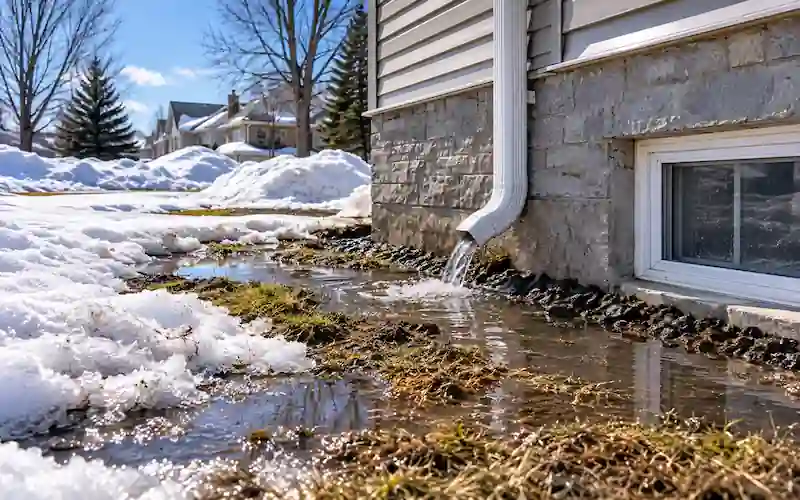
Spring Snowmelt
Rapid snowmelt can saturate soil and increase groundwater levels around your foundation
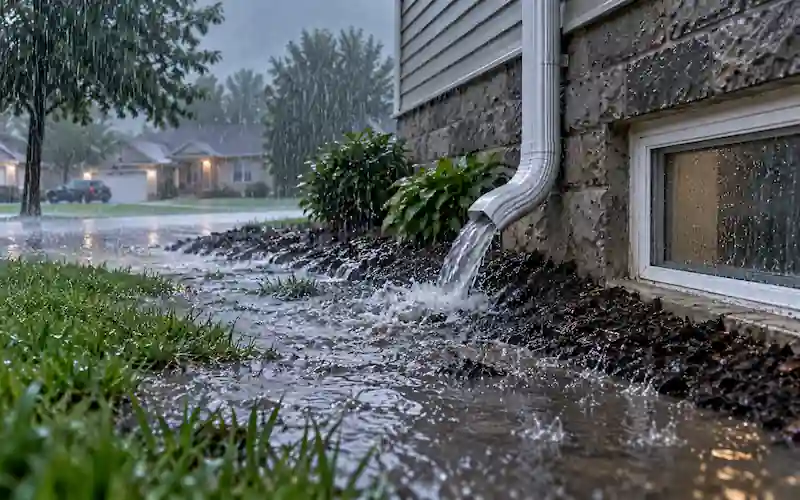
Heavy Rainfall
Intese rainfall can overwhelm drainage systems and fill sump pits quickly
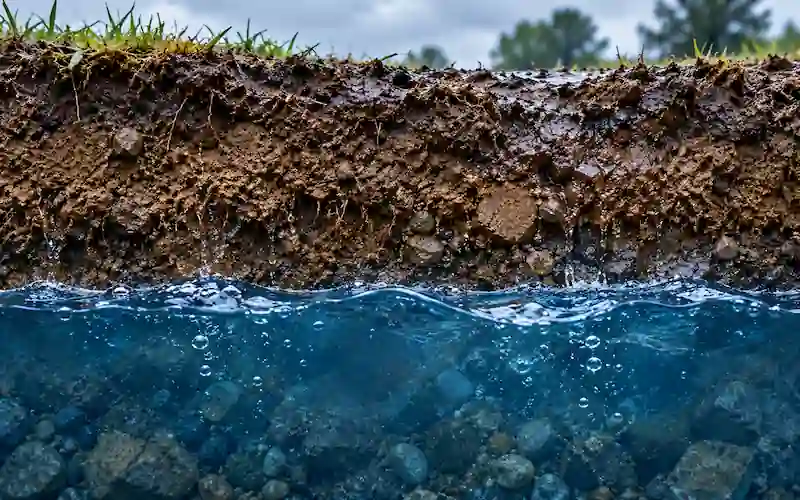
Rising Groundwater
Seasonal changes can increase groundwater pressure beneath your home
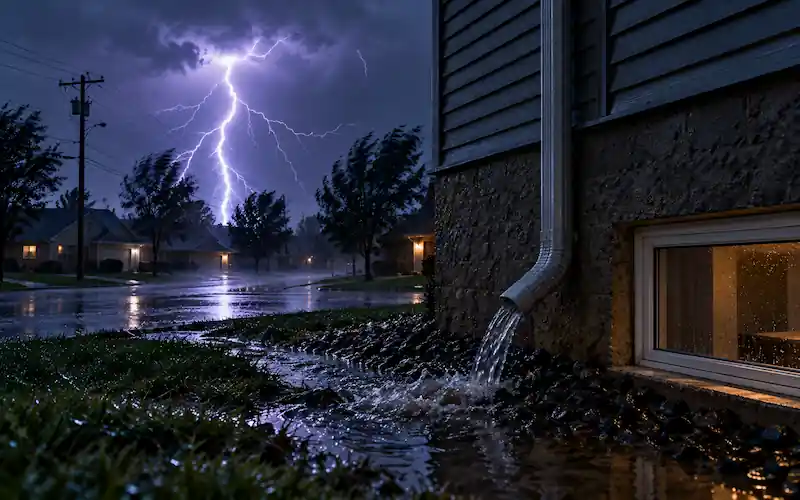
Power outages
Storms can cause higher groundwater levels and interrupt power to the pump
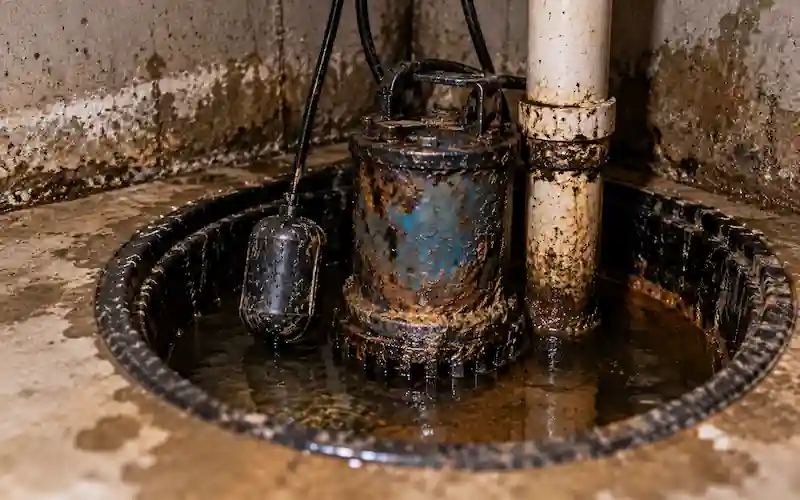
Aging sump pumps
components wear over time, increasing the risk of failure when you need it most
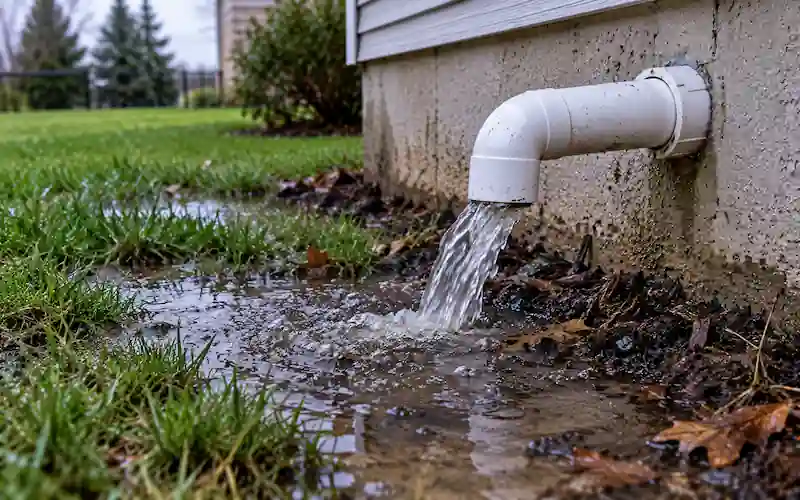
poor discharge
Improper dischage can allow water to flow back toward the foundation
ONTARIO water conditions
When the Storm hits, your system needs to be ready
LOW-LYING PROPERTIES
Lower areas can collect more runoff and experience higher groundwater levels.
POOR LOT GRADING
Ground sloping toward your home directs rain and snowmelt toward the foundation.
AGING WEEPING TILE
Older drainage systems can clog or deteriorate, allowing water to build up around the foundation.
freeze-thaw cycles
Soil movement and feezing can increase pressure on foundations
High water tables
Some areas in Ontario have naturally high groundwater levels
Foundation Drainage
Weeping tile and interior drainage systems direct water to the sump pit
our sump pump instalation process
A step-by-step approach to lasting protection
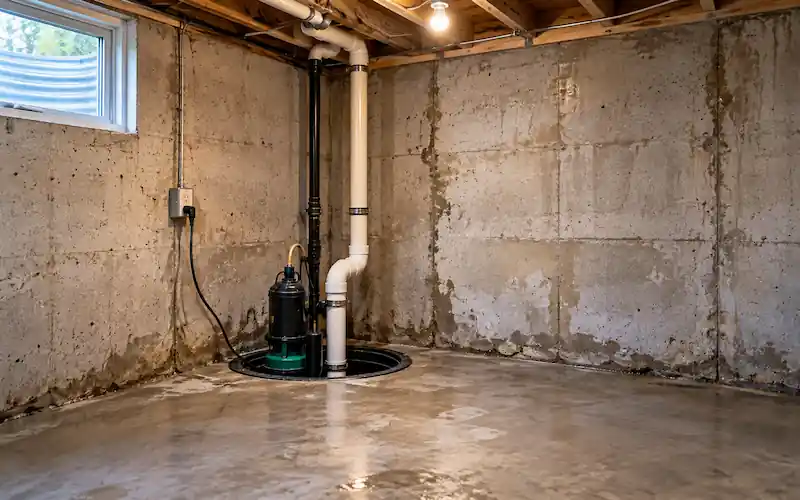
Assessment & Planning
- Basement Inspection
- Drainage Assessment
- System Design & Pump Selection
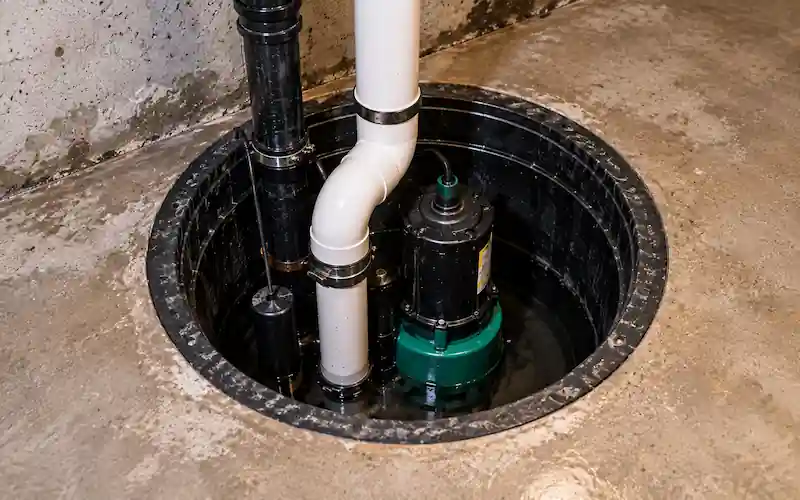
Pit & Sump Pump Installtion
- Sump Pit Preparation
- Basin Installation
- Pump & Check Valve Install
- Discharge Line Installation
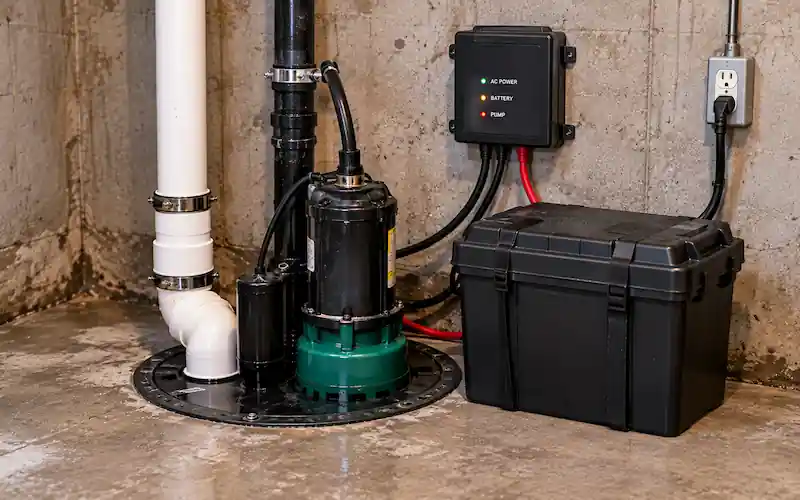
Backup System integration
- Battery Backup Setup
- Electrical Connections
- System Testing
- Final Inspection & Cleanup
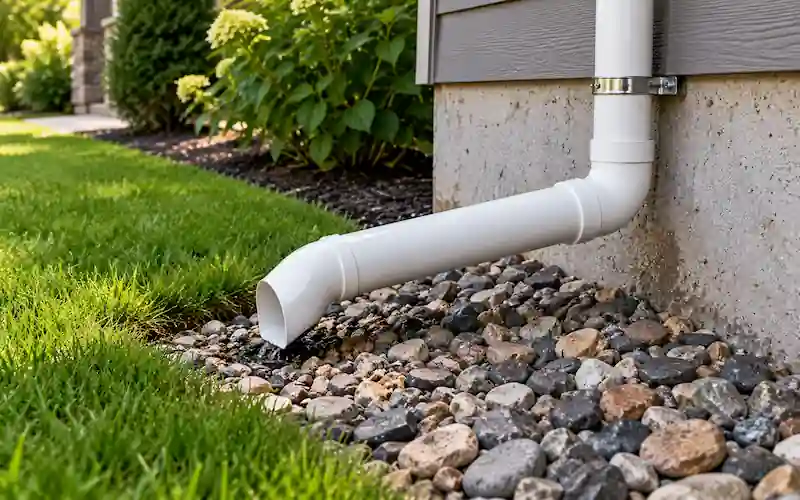
Completion & Homeowner review
- Discharge Location Verification
- System Operation Test
- Maintenance Guidance
- Clean Work Area
INTERIOR WATER MANAGEMENT SYSTEMS
KEEP WATER OUT OF YOUR BASEMENT
A properly installed sump pump system collects and discharges groundwater before it can flood your basement. Professional installation, replacement, maintenance, and backup solutions help keep your system ready when water levels rise.
- +1 (905)-259-4636
SUMP PUMP SYSTEM RELIABILITY
WHY SUMP PUMP SYSTEMS FAIL WHEN YOU NEED THEM MOST
A sump pump is only reliable when every part of the system works properly. Pump failure, drainage problems, blocked discharge lines, poor installation, and neglected maintenance can leave your basement vulnerable when groundwater levels rise.
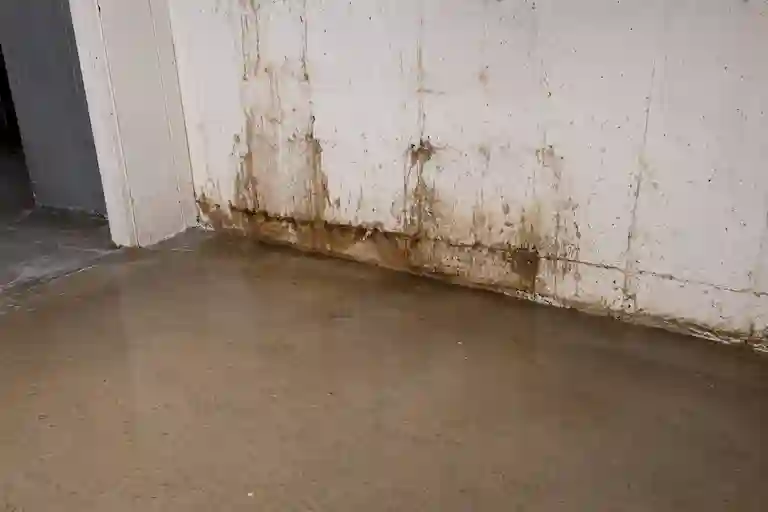
No Proper Drainage
Without an effective drainage system, water has nowhere to go and pressure builds up, leading to leaks and damage.
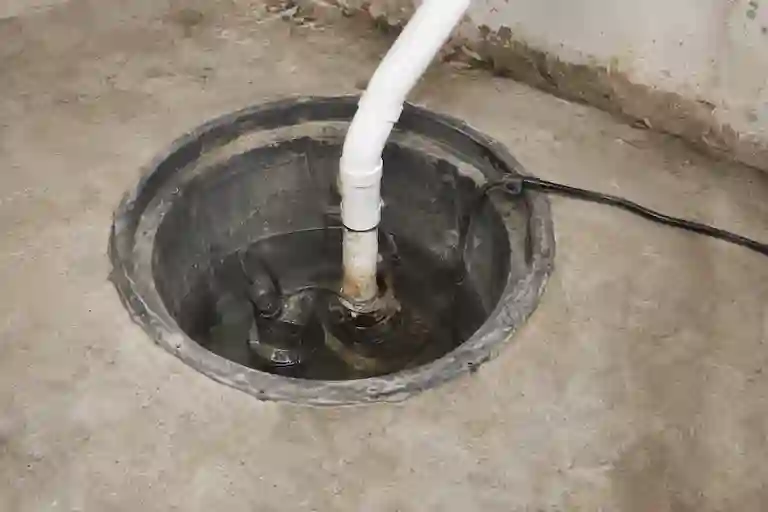
Poor Sump Pump Performance
Undersized or falling pumps can’t keep up with water flow, causing backups and overflows.
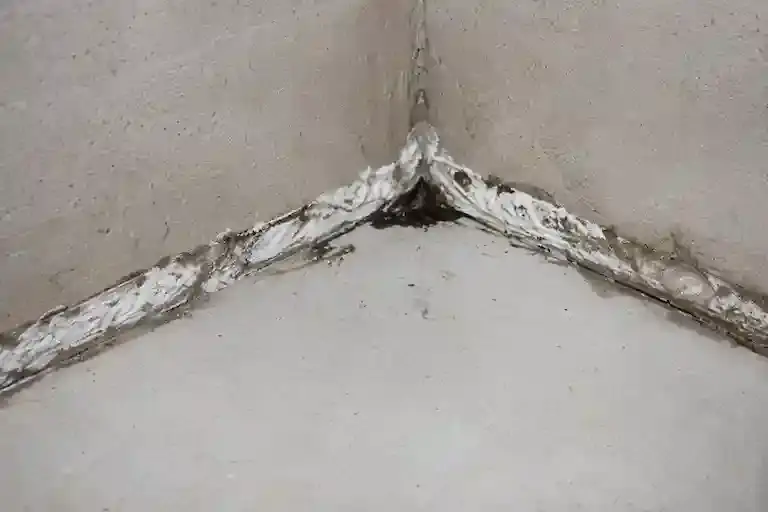
Missing or Poorly Applied Sealant
Gaps and unsealed cracks allow water to enter through walls and floor joints.
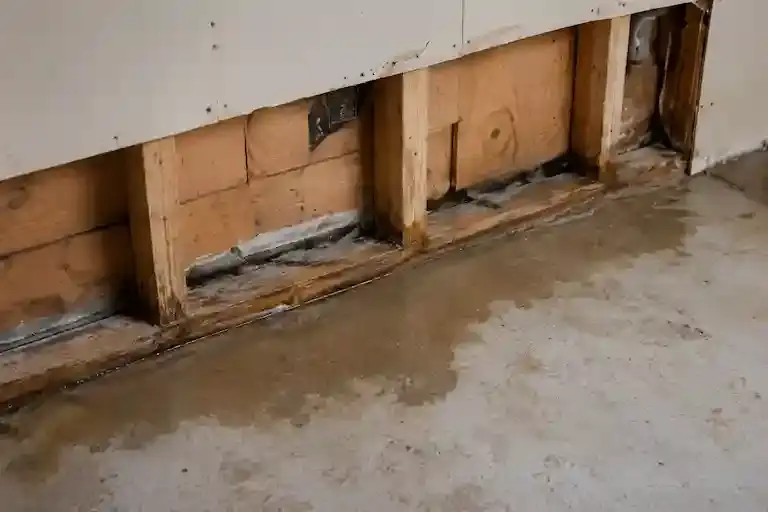
Improper Moisture Management
Not addressing humidity and moisture leads to mold, odor, and deterioration over time.
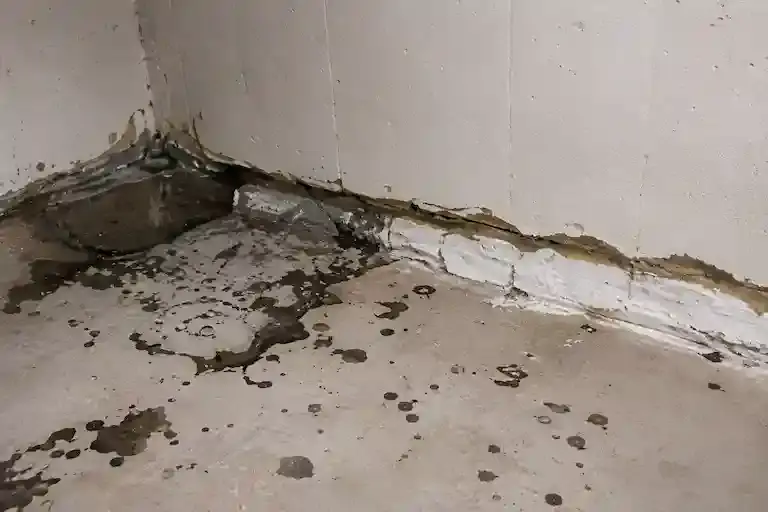
Inadequate Cove Joint Treatment
The wall-floor joint is a common entry point for water if not properly sealed and protected.
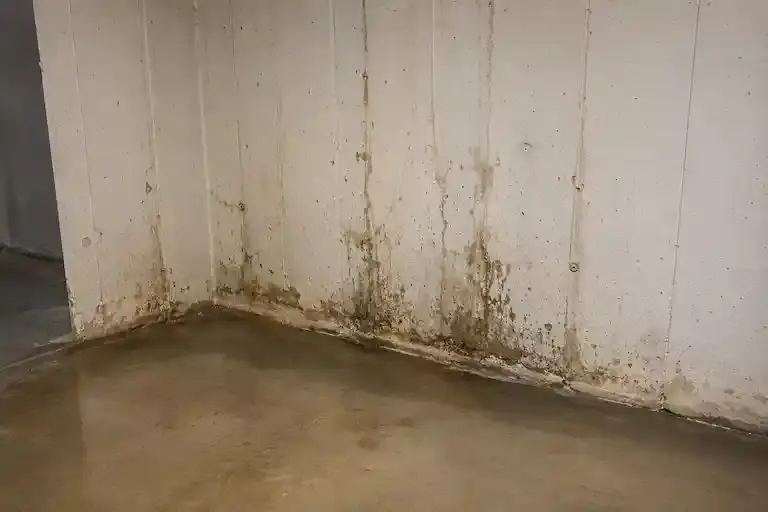
Ignored Warning Signs
Delaying action allows small issues to become major structural problems and higher repair costs.
The Bottom Line:A sump pump is part of a complete drainage system. If the pump, float switch, check valve, discharge line, or backup system fails, your basement can be left vulnerable. Proper installation, testing, and maintenance help keep the system ready when water levels rise.
ONTARIO SUMP PUMP FAQ
SUMP PUMP QUESTIONS HOMEOWNERS ASK
A sump pump is one of the most important components of a basement drainage system. Pump capacity, groundwater conditions, discharge design, maintenance, and backup protection can all affect how reliably the system performs. Below are answers to common questions Ontario homeowners ask about sump pump installation, operation, maintenance, and replacement.
Technical Questions
How does a sump pump system work?
Groundwater collected by the foundation drainage system is directed into a sump pit. As the water level rises, a float switch activates the pump, which moves the water through a discharge line and safely away from the foundation.
What size sump pump does my basement need?
Pump selection depends on how quickly water enters the sump pit, the vertical lift required, discharge-line configuration, and the conditions around the foundation. The goal is to select a pump capable of handling expected water volume without unnecessary short cycling.
How do I know when my sump pump needs to be replaced?
Frequent cycling, unusual noises, inconsistent operation, visible corrosion, difficulty starting, or an aging pump can indicate that replacement should be considered. The complete system should be inspected before determining whether the pump itself is the problem.
Do I need a battery backup sump pump?
A battery backup provides additional protection if the primary pump loses power or becomes unable to keep up with incoming water. It can be particularly valuable during severe storms, when power outages and elevated groundwater can occur at the same time.
What is a sump pump check valve and why is it important?
A check valve helps prevent water remaining in the discharge pipe from flowing back into the sump pit after the pump shuts off. Proper installation reduces unnecessary recycling of water and repeated pump operation.
Why does my sump pump keep turning on and off?
Frequent short cycling can result from a poorly adjusted float, an undersized basin, high groundwater inflow, discharge problems, or other system conditions. Repeated cycling can increase wear on the pump and should be investigated.
Why is my sump pump running constantly?
Continuous operation may occur during periods of high groundwater, but it can also indicate insufficient pump capacity, a stuck float switch, discharge problems, or water being redirected back toward the foundation.
How often should a sump pump be tested or maintained?
Sump pumps should be checked regularly and especially before periods of heavy rainfall or spring snowmelt. Testing should confirm that the float activates properly, the pump removes water, the check valve functions, and the discharge line remains unobstructed. Ontario’s climate and soil conditions can place considerable stress on foundation systems over time.
Where should sump pump water be discharged?
Water should be discharged to an appropriate location where it can drain away from the foundation without immediately returning toward the home. The correct location depends on property conditions and applicable municipal requirements.
Can a sump pump prevent every type of basement leak?
No. A sump pump manages water collected by the drainage system, but basement leaks can also originate from foundation cracks, window wells, wall penetrations, grading problems, or other sources. The source of the water should be identified before recommending a solution.
Regional Questions
Why are sump pumps common in Southern Ontario homes?
Southern Ontario experiences heavy rainfall, spring snowmelt, changing groundwater levels, and seasonal soil saturation. Homes with foundation drainage systems may rely on a sump pump to collect and discharge this water away from the foundation.
Does spring snowmelt increase sump pump activity in Ontario?
Yes. Rapid snowmelt can saturate the soil surrounding a foundation and raise local groundwater levels. This can increase the amount of water entering the foundation drainage system and cause the sump pump to operate more frequently.
How does heavy rainfall affect sump pumps in Ontario?
Prolonged or intense rainfall can quickly saturate the ground and increase water entering the drainage system. During major storms, a sump pump may need to operate repeatedly or continuously to keep up with incoming water.
Do Ontario freeze-thaw cycles affect basement drainage systems?
They can. Repeated freezing and thawing can contribute to soil movement and changing drainage conditions around a foundation. Exterior sump discharge lines can also become obstructed by ice if they are improperly configured or maintained.
Do clay soils increase the need for sump pump protection?
Clay-rich soils drain relatively slowly and can retain significant moisture around a foundation. Depending on the property, this can contribute to prolonged wet conditions and greater demand on the foundation drainage and sump pump system.
Why does my sump pump run more during certain times of the year?
Seasonal groundwater levels change throughout the year. Spring snowmelt and extended periods of rainfall commonly increase soil saturation, causing more groundwater to reach the foundation drainage system and sump pit.
Still have questions?
Every foundation is different. Our waterproofing specialists can assess the source of water intrusion, identify contributing factors, and recommend the most effective long-term solution for your home.
Cost & Logistics
How much does sump pump installation cost in Ontario?
The cost depends on the existing drainage system, sump pit requirements, pump capacity, discharge configuration, electrical needs, and whether a backup system is being installed. An inspection allows us to assess the existing setup and provide an accurate quote.
How long does sump pump installation take?
Many straightforward sump pump installations or replacements can be completed within a day. New sump pits, drainage modifications, discharge work, or backup systems may require additional time.
How much does it cost to replace an existing sump pump?
Replacement costs depend on the pump required, the condition of the existing pit and plumbing, check valve and discharge configuration, and whether other components need upgrading. Replacing a pump in an established system is generally simpler than installing a completely new sump system.
Do I need a new sump pit when replacing my pump?
Not necessarily. If the existing basin is appropriately sized and in good condition, the pump may be replaced without changing the pit. Damaged, undersized, or poorly configured basins may require modification or replacement.
How much does a battery backup sump pump system cost?
Pricing varies depending on the backup pump, battery capacity, controls, existing sump configuration, and installation requirements. The appropriate system should be selected based on the level of protection and pumping capacity the home requires.
Will you need to break the basement floor?
For a simple pump replacement, usually not. Installing a new sump pit or connecting it to an interior drainage system can require cutting and removing a section of concrete before restoring the floor around the completed system
Do I need to prepare my basement before installation?
The work area around the sump pit should be accessible. Furniture, storage, shelving, or other belongings may need to be moved if they interfere with the installation area or drainage components.
How often should a sump pump be serviced?
Regular inspection and testing helps identify problems before the pump is needed during heavy rainfall or rising groundwater. The pump, float switch, check valve, basin, backup system, and discharge line should all be checked as part of the system.
Can you replace my sump pump without replacing the entire drainage system?
Yes, when the existing drainage system, sump basin, and discharge arrangement remain suitable. We can assess the current system and determine which components actually require replacement rather than automatically replacing everything.
Do sump pump installations come with a warranty?
Warranty coverage depends on the equipment installed and the scope of work performed. The applicable equipment and workmanship coverage should be clearly identified as part of your quote.
Ontario Basement Waterproofing
Local Waterproofing Solutions Across Ontario
Foundation leaks are affected by soil conditions, water table levels, grading, hydrostatic pressure, freeze-thaw cycles, and the age of the home. Vanguard Waterproofing provides region-specific basement waterproofing solutions designed for Ontario homes.
Local Soil & Drainage Expertise
Every region has unique soil types and water table levels. We tailor our solutions to local conditions.
Interior & Exterior Solutions
From interior waterproofing to exterior excavation and foundation sealing, we’ve got you covered.
Dedicated City Pages
Explore your city to learn more about local waterproofing challenges and solutions
Durham Region
Cities throughout Durham Region experience clay-heavy soil conditions, groundwater pressure, aging drainage infrastructure, and seasonal freeze-thaw challenges that can contribute to basement moisture problems and foundation leaks.
Ajax
Clay-heavy soil, seasonal freeze-thaw cycles, and poor drainage conditions can increase basement waterproofing issues in Ajax homes.
Coming soon →
Brock
Rural grading, high groundwater areas, and seasonal soil movement can contribute to foundation moisture problems in Brock properties.
Coming soon →
Clarington
Expanding soil conditions, heavy rainfall, and freeze-thaw cycles can increase foundation leak risks in Clarington homes.
Coming soon →
Oshawa
Clay soil, older foundations, and aging drainage infrastructure can contribute to basement moisture issues in Oshawa properties.
Coming soon →
Pickering
Poor exterior drainage, groundwater pressure, and freeze-thaw cycles can increase basement waterproofing issues in Pickering homes.
Coming soon →
Scugog
Rural drainage conditions, elevated groundwater, and seasonal soil movement can increase foundation leak risks in Scugog properties.
Coming soon →
Uxbridge
Sloped grading, groundwater movement, and freeze-thaw cycles can contribute to basement moisture risks in Uxbridge homes.
Coming soon →
Whitby
Changing groundwater levels, drainage issues, and seasonal freeze-thaw cycles can contribute to basement moisture problems in Whitby homes.
Coming soon →
GTA (Greater Toronto Area)
Cities in the Greater Toronto Area experience a variety of soil conditions, aging infrastructure, and seasonal weather challenges.
Ajax
Clay-heavy soil, seasonal freeze-thaw cycles, and poor drainage conditions can increase basement waterproofing issues in Ajax homes.
Coming soon →
Aurora
Older foundations and fluctuating groundwater conditions can contribute to moisture intrusion problems in Aurora properties.
Coming soon →
Brampton
Expanding clay soil and heavy seasonal rainfall can place pressure against Brampton basement foundations.
Coming soon →
Burlington
Changing groundwater levels and aging foundation systems can increase basement moisture problems in Burlington homes.
Coming soon →
Caledon
Rural grading conditions and seasonal soil movement can contribute to foundation moisture issues in Caledon properties.
Coming soon →
Clarington
Heavy rainfall, expanding soil conditions, and seasonal freeze-thaw cycles can increase basement waterproofing issues in Clarington homes.
Coming soon →
East Gwillimbury
Changing groundwater conditions and expanding soil can contribute to basement moisture problems in East Gwillimbury properties.
Coming soon →
Georgina
High groundwater levels and seasonal weather conditions can increase the risk of basement water intrusion in Georgina homes.
Coming soon →
Halton Hills
Drainage challenges, sloped grading conditions, and seasonal foundation movement can contribute to basement moisture issues in Halton Hills homes.
Coming soon →
King
Expanding soil conditions and fluctuating groundwater levels can increase hydrostatic pressure around King foundations.
Coming soon →
Markham
Dense urban development, clay-heavy soil, and seasonal freeze-thaw conditions can contribute to basement waterproofing issues in Markham homes.
Coming soon →
Milton
Rapid residential expansion, grading changes, and clay-heavy soil conditions can increase basement leak risks in Milton properties.
Coming soon →
Mississauga
Groundwater pressure, aging drainage systems, and seasonal weather conditions can contribute to basement moisture problems in Mississauga homes.
Coming soon →
Newmarket
Seasonal moisture changes and shifting soil conditions can place stress on Newmarket foundations over time.
Coming soon →
Oakville
Changing groundwater levels, older foundation systems, and seasonal weather patterns can increase basement leak risks in Oakville homes.
Coming soon →
Oshawa
Clay soil, heavy rainfall, and aging infrastructure can contribute to basement moisture issues in Oshawa properties.
Coming soon →
Pickering
Poor drainage conditions and fluctuating groundwater levels can increase basement waterproofing issues in Pickering homes.
Coming soon →
Richmond Hill
Expanding soil conditions and elevated hydrostatic pressure can contribute to foundation moisture problems in Richmond Hill homes.
Coming soon →
Scugog
Rural drainage conditions and seasonal soil movement can increase foundation leak risks in Scugog properties.
Coming soon →
Toronto
Older foundations, dense infrastructure, and fluctuating groundwater conditions can contribute to basement leaks in Toronto homes.
Coming soon →
Uxbridge
Groundwater movement, grading conditions, and freeze-thaw cycles can increase basement moisture risks in Uxbridge homes.
Coming soon →
Vaughan
Clay-heavy soil, rapid expansion, and seasonal rainfall can increase hydrostatic pressure around Vaughan foundations.
Coming soon →
Whitby
Changing groundwater conditions and drainage issues can contribute to basement moisture problems in Whitby homes.
Coming soon →
Whitchurch-Stouffville
Shifting soil conditions and seasonal moisture changes can increase foundation stress in Whitchurch-Stouffville homes.
Coming soon →
Halton Region
Cities throughout Halton Region experience changing groundwater conditions, clay-heavy soil areas, grading challenges, and seasonal freeze-thaw cycles that can contribute to basement moisture problems and foundation leaks.
Burlington
Changing groundwater levels and aging foundation systems can increase basement moisture problems in Burlington homes.
Coming soon →
Halton Hills
Sloped grading conditions, seasonal soil movement, and drainage challenges can contribute to foundation moisture issues in Halton Hills homes.
Coming soon →
Milton
Rapid residential expansion, clay-heavy soil conditions, and grading changes can increase basement waterproofing risks in Milton properties.
Coming soon →
Oakville
Fluctuating groundwater levels, older drainage systems, and freeze-thaw cycles can contribute to basement moisture problems in Oakville homes.
Coming soon →
Hamilton & Niagara Region
Cities throughout Halton Region experience changing groundwater conditions, clay-heavy soil areas, and seasonal weather patterns that can contribute to basement moisture problems and foundation leaks.
Ancaster
Sloped grading, older foundations, and seasonal groundwater movement can contribute to basement moisture issues in Ancaster homes.
Coming soon →
Dundas
Valley terrain, drainage challenges, and freeze-thaw cycles can increase foundation leak risks in Dundas properties.
Coming soon →
Flamborough
Rural grading, changing water table levels, and seasonal soil movement can contribute to basement waterproofing issues in Flamborough homes.
Coming soon →
Glanbrook
Clay soil conditions, grading changes, and seasonal moisture movement can increase basement leak risks in Glanbrook properties.
Coming soon →
Hamilton
Older foundations, urban drainage pressure, and freeze-thaw cycles can contribute to basement moisture problems in Hamilton homes.
Coming soon →
Stoney Creek
Lake-effect moisture, sloped grading, and groundwater pressure can increase foundation leak risks in Stoney Creek homes.
Coming soon →
Northumberland County
Communities throughout Northumberland County experience changing groundwater levels, rural drainage challenges, seasonal freeze-thaw cycles, and shifting soil conditions that can contribute to basement moisture problems and foundation leaks.
Alnwick/Haldimand
Changing groundwater conditions, rural drainage challenges, and seasonal soil movement can contribute to foundation moisture problems in Alnwick/Haldimand homes.
Coming soon →
Brighton
High groundwater levels, seasonal moisture changes, and freeze-thaw cycles can increase basement leak risks in Brighton properties.
Coming soon →
Cobourg
Older foundations, fluctuating groundwater conditions, and seasonal weather patterns can contribute to basement moisture problems in Cobourg homes.
Coming soon →
Cramahe
Rural grading conditions, shifting soil movement, and changing water table levels can contribute to foundation leak risks in Cramahe properties.
Coming soon →
Hamilton Township
Seasonal moisture movement, rural drainage conditions, and groundwater pressure can increase basement waterproofing issues in Hamilton Township homes.
Coming soon →
Port Hope
Older foundation systems, fluctuating groundwater levels, and freeze-thaw cycles can contribute to basement moisture problems in Port Hope homes.
Coming soon →
Trent Hills
Rural drainage challenges, seasonal soil movement, and elevated groundwater conditions can increase foundation leak risks in Trent Hills properties.
Coming soon →
Peel Region
Cities throughout Peel Region experience clay-heavy soil conditions, rapid urban development, aging drainage infrastructure, and seasonal freeze-thaw cycles that can contribute to basement moisture problems and foundation leaks.
Brampton
Clay-heavy soil, dense residential development, and seasonal rainfall can increase hydrostatic pressure around Brampton foundations.
Coming soon →
Caledon
Rural grading conditions, seasonal soil movement, and fluctuating groundwater levels can contribute to foundation moisture problems in Caledon properties.
Coming soon →
Mississauga
Groundwater pressure, aging drainage systems, and seasonal weather conditions can contribute to basement moisture issues in Mississauga homes.
Coming soon →
Simcoe County
Cities and communities throughout Simcoe County experience changing groundwater conditions, seasonal freeze-thaw cycles, rural drainage challenges, and shifting soil conditions that can contribute to basement moisture problems and foundation leaks.
Adjala-Tosorontio
Rural drainage conditions, seasonal soil movement, and fluctuating groundwater levels can contribute to foundation moisture problems in Adjala-Tosorontio homes.
Coming soon →
Barrie
Older foundations, changing groundwater conditions, and seasonal freeze-thaw cycles can contribute to basement moisture problems in Barrie homes.
Coming soon →
Bradford West Gwillimbury
Expanding residential development, clay-heavy soil, and seasonal rainfall can increase basement leak risks in Bradford West Gwillimbury properties.
Coming soon →
Clearview
Changing groundwater conditions and seasonal freeze-thaw cycles can contribute to basement moisture issues in Clearview homes.
Coming soon →
Collingwood
Freeze-thaw cycles, elevated groundwater levels, and seasonal moisture conditions can increase foundation leak risks in Collingwood properties.
Coming soon →
Essa
Shifting soil conditions and rural drainage challenges can contribute to basement waterproofing issues in Essa homes.
Coming soon →
Innisfil
Changing water table levels, seasonal rainfall, and expanding soil conditions can increase basement moisture problems in Innisfil homes.
Coming soon →
Midland
Elevated groundwater levels, aging foundations, and seasonal weather conditions can contribute to basement leak risks in Midland properties.
Coming soon →
New Tecumseth
Clay-heavy soil, rapid residential growth, and seasonal moisture movement can contribute to foundation moisture problems in New Tecumseth homes.
Coming soon →
Oro-Medonte
Rural grading conditions, groundwater movement, and freeze-thaw cycles can increase basement waterproofing risks in Oro-Medonte properties.
Coming soon →
Penetanguishene
High groundwater conditions and seasonal moisture changes can contribute to basement leak risks in Penetanguishene homes.
Coming soon →
Ramara
Seasonal water accumulation, shifting soil conditions, and rural drainage challenges can increase foundation moisture problems in Ramara properties.
Coming soon →
Severn
Changing groundwater levels and seasonal freeze-thaw cycles can contribute to basement waterproofing issues in Severn homes.
Coming soon →
Springwater
Rural grading conditions, seasonal soil movement, and fluctuating groundwater levels can increase foundation leak risks in Springwater properties.
Coming soon →
Tay
Elevated groundwater conditions and seasonal weather changes can contribute to basement moisture problems in Tay homes.
Coming soon →
Tiny
Groundwater movement, seasonal rainfall, and rural drainage conditions can increase foundation leak risks in Tiny properties.
Coming soon →
Wasaga Beach
High water table levels, sandy soil conditions, and seasonal moisture changes can contribute to basement waterproofing issues in Wasaga Beach homes.
Coming soon →
Waterloo Region
Cities throughout Waterloo Region experience changing groundwater conditions, clay-heavy soil areas, seasonal freeze-thaw cycles, and rapid urban development that can contribute to basement moisture problems and foundation leaks.
Cambridge
Changing groundwater levels, older foundation systems, and seasonal freeze-thaw cycles can contribute to basement waterproofing issues in Cambridge homes.
Coming soon →
Kitchener
Clay soil conditions, aging drainage infrastructure, and seasonal moisture changes can increase basement leak risks in Kitchener properties.
Coming soon →
North Dumfries
Rural drainage conditions, shifting soil movement, and fluctuating groundwater levels can contribute to foundation moisture problems in North Dumfries homes.
Coming soon →
Waterloo
Urban development, groundwater pressure, and seasonal freeze-thaw conditions can contribute to basement moisture issues in Waterloo properties.
Coming soon →
Wellesley
Rural grading conditions, seasonal soil movement, and elevated groundwater levels can increase foundation leak risks in Wellesley homes.
Coming soon →
Wilmot
Changing groundwater conditions and rural drainage challenges can contribute to basement waterproofing problems in Wilmot properties.
Coming soon →
Woolwich
Seasonal moisture changes, shifting soil conditions, and groundwater movement can increase foundation moisture risks in Woolwich homes.
Coming soon →
Wellington County
Changing groundwater conditions, seasonal moisture movement, and aging foundation systems can contribute to basement waterproofing issues in Centre Wellington homes.
Centre Wellington
Changing groundwater conditions, seasonal moisture movement, and aging foundation systems can contribute to basement waterproofing issues in Centre Wellington homes.
Coming soon →
Erin
Rural grading conditions, shifting soil movement, and seasonal drainage challenges can increase foundation moisture risks in Erin properties.
Coming soon →
Guelph/Eramosa
Groundwater movement, rural drainage conditions, and freeze-thaw cycles can contribute to basement leak risks in Guelph/Eramosa homes.
Coming soon →
Minto
Seasonal soil movement, changing water table levels, and rural drainage issues can contribute to foundation moisture problems in Minto properties.
Coming soon →
Puslinch
Elevated groundwater conditions, sloped grading, and seasonal moisture changes can increase basement waterproofing risks in Puslinch homes.
Coming soon →
Wellington North
Rural drainage challenges, freeze-thaw cycles, and shifting soil conditions can contribute to basement moisture issues in Wellington North properties.
Coming soon →
York Region
Cities throughout York Region experience expanding soil conditions, changing groundwater levels, rapid residential development, and seasonal freeze-thaw cycles that can contribute to basement moisture problems and foundation leaks.
Aurora
Older foundations and fluctuating groundwater conditions can contribute to moisture intrusion problems in Aurora properties.
Coming soon →
East Gwillimbury
Shifting soil conditions, elevated groundwater levels, and seasonal weather changes can increase foundation moisture risks in East Gwillimbury properties.
Coming soon →
Georgina
High groundwater levels, lake-effect moisture, and seasonal drainage conditions can contribute to basement leak risks in Georgina homes.
Coming soon →
King
Expanding soil conditions and fluctuating groundwater levels can increase hydrostatic pressure around King foundations.
Coming soon →
Markham
Clay-heavy soil, dense urban infrastructure, and freeze-thaw cycles can contribute to basement moisture problems in Markham homes.
Coming soon →
Newmarket
Seasonal moisture changes, aging drainage systems, and shifting soil conditions can place stress on Newmarket foundations over time.
Coming soon →
Richmond Hill
Expanding soil conditions and elevated hydrostatic pressure can contribute to foundation moisture problems in Richmond Hill homes.
Coming soon →
Vaughan
Clay-heavy soil, rapid development, and seasonal rainfall can increase hydrostatic pressure around Vaughan foundations.
Coming soon →
Whitchurch-Stouffville
Shifting soil conditions, rural drainage challenges, and seasonal moisture changes can increase foundation stress in Whitchurch-Stouffville homes.
Coming soon →
Ontario Sump Pump Installation You Can Trust
Protect your basement from rising groundwater and unexpected flooding with a professionally installed sump pump system. Vanguard Waterproofing provides reliable sump pump installation, replacement, maintenance, and backup solutions for Ontario homeowners. Contact us today for a free assessment and dependable long-term protection.
Get A Free Quote
Veteran Owned
Fully Licensed
Lifetime Warranty
Southern Ontario
Professional Systems